
This post is brought to you by U Mobile.
We have all experienced the mobile data paradox: your smartphone proudly displays a full grid of 5G bars while you are standing outside, but the exact second you step inside a shopping mall, office building, or transit hub, your connection slows to a crawl.
Why does this happen? Well, standard, high-frequency 5G signals face severe physical limitations when trying to penetrate dense concrete, thick walls, and treated glass. The outdoor signal simply bounces off or gets absorbed before it ever reaches your device.
To find out if specialised technology can solve this great indoors bottleneck, we took U Mobile’s independent ULTRA5G network on an on-the-ground stress test across Kuala Lumpur using a Samsung Galaxy S26 Ultra.
Before diving into the data, it is important to note that the high-speed indoor performance highlighted below is not yet a nationwide blanket experience. This level of reliability relies entirely on dedicated In-Building Coverage (IBC) hardware, which is currently deployed in a select handful of premier commercial spaces and high-traffic hubs across the city.
1. Setting the Baseline: 9th Floor at GMBB
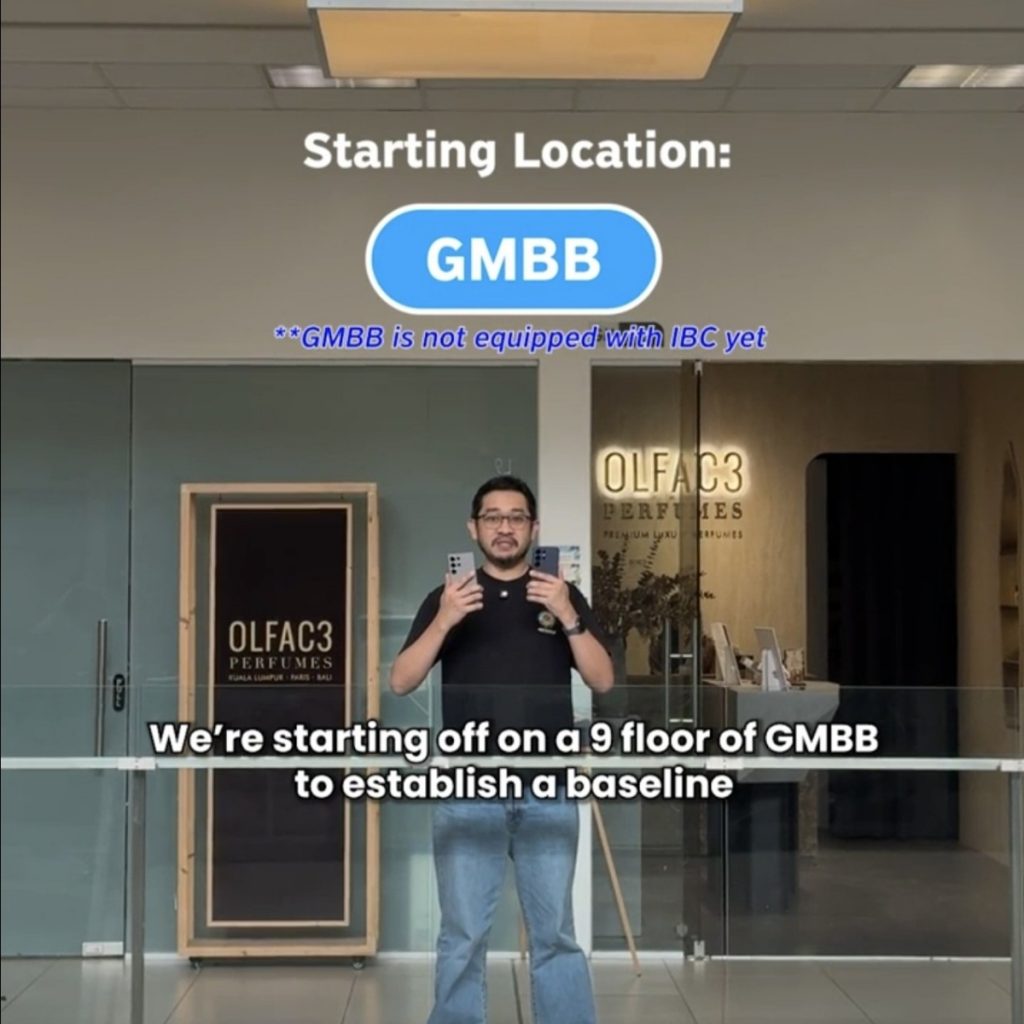
Our journey began on the 9th floor of GMBB to establish a baseline connection before hitting the road. Running a simultaneous, side-by-side static speed test, we wanted to see how both networks behaved in a standard indoor setting.
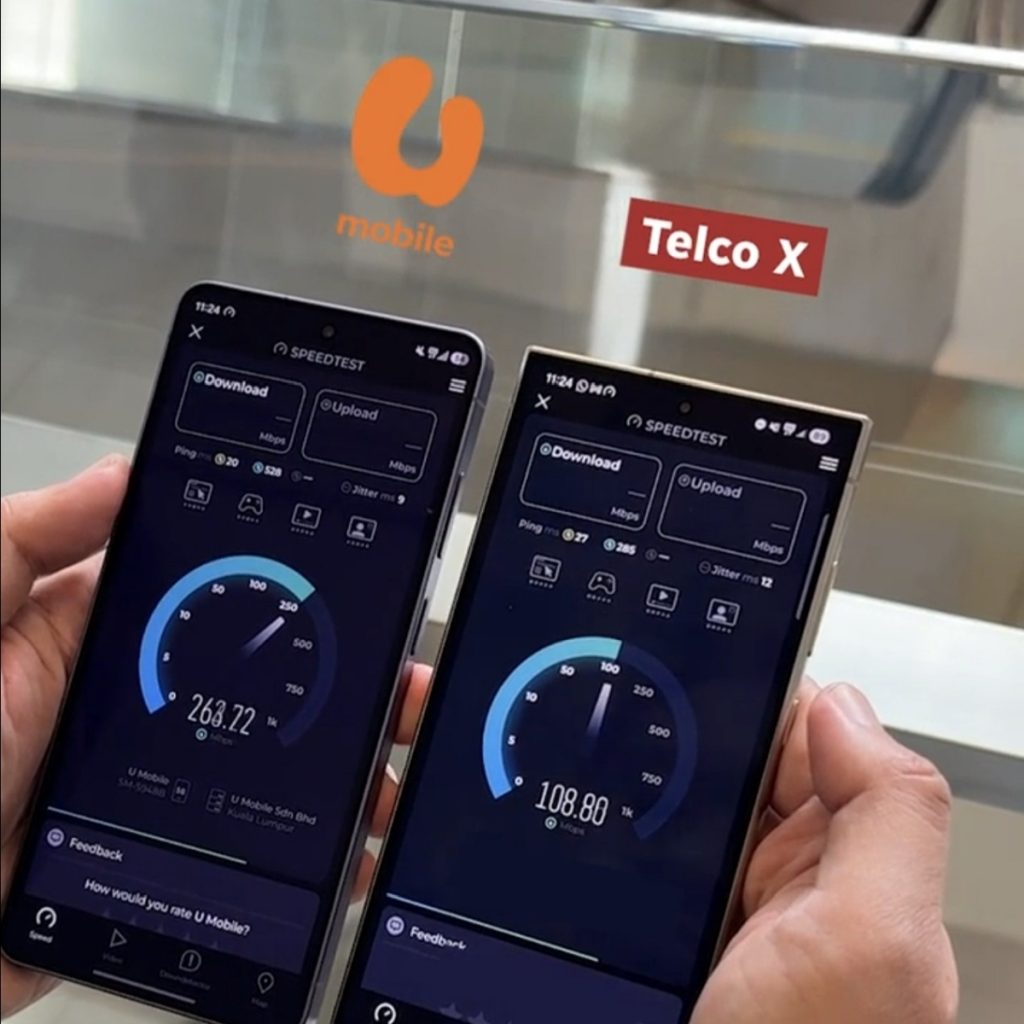
- U Mobile ULTRA5G Baseline: ~265 Mbps
- Telco X Baseline: ~108 Mbps
Right out of the gate, U Mobile pulled strong numbers with a notable margin, even without IBC hardware in GMBB. This aligns directly with recent data from independent network analytics firm OpenSignal, which recorded a two-thirds advantage in average 5G download speeds for U Mobile since the carrier transitioned onto its own independent network architecture.
2. The Transit Challenge: Testing Tower Hand-Offs
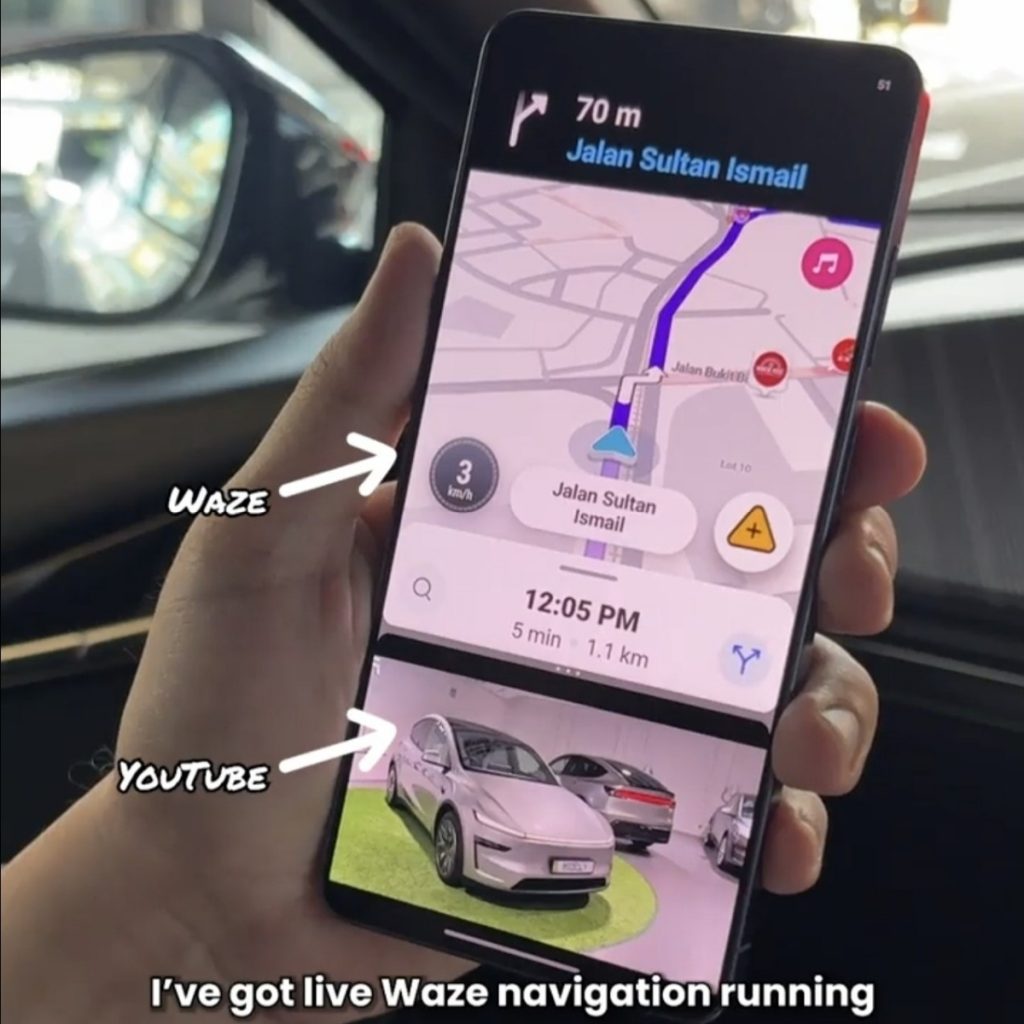
A stationary speed test is a helpful indicator, but real-world usage happens on the move. As you travel through KL traffic, your device is forced to rapidly hand off its connection from one cellular tower to the next. This constant switching is a frequent culprit behind micro-drops, lagging maps, and stuttering feeds.
Instead of just staring at speed test meters, we fired up live Waze navigation through bustling city traffic while running a high-resolution YouTube video stream simultaneously in split-screen.
Throughout the drive, the U Mobile network managed the tower hand-offs smoothly. The live map updated without navigation lag, and the video stream maintained its playback without a single instance of buffering.
3. Wisma Cosway: Breaking Through Legacy Concrete
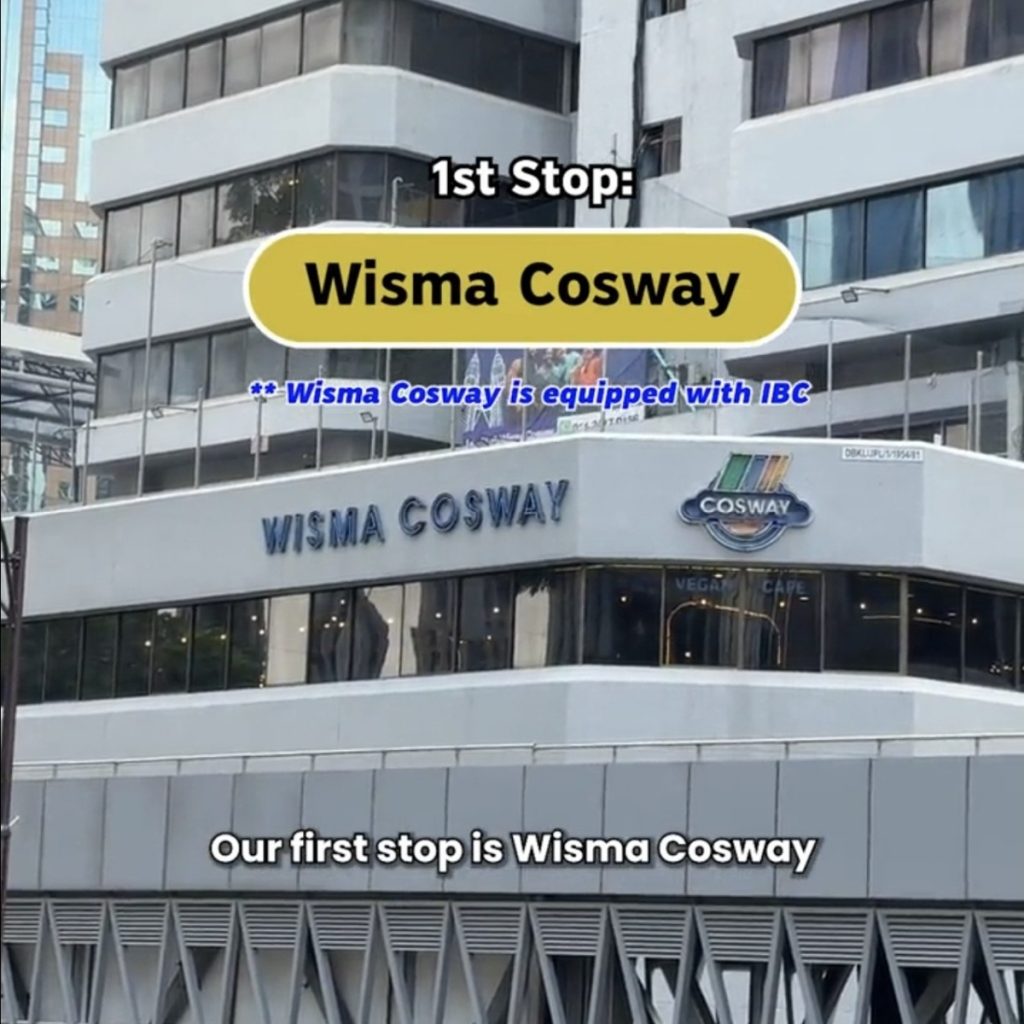
Our first official stop was Wisma Cosway, a classic legacy commercial complex built with thick, heavily reinforced concrete walls notorious for creating indoor dead zones.
Traditional indoor coverage forces your device to hunt for weak outdoor signals leaking through peripheral windows. U Mobile explains that its IBC approach operates fundamentally differently: rather than relying on external signals, it installs dedicated, integrated indoor infrastructure directly into the building, essentially wiring the property from the inside out.
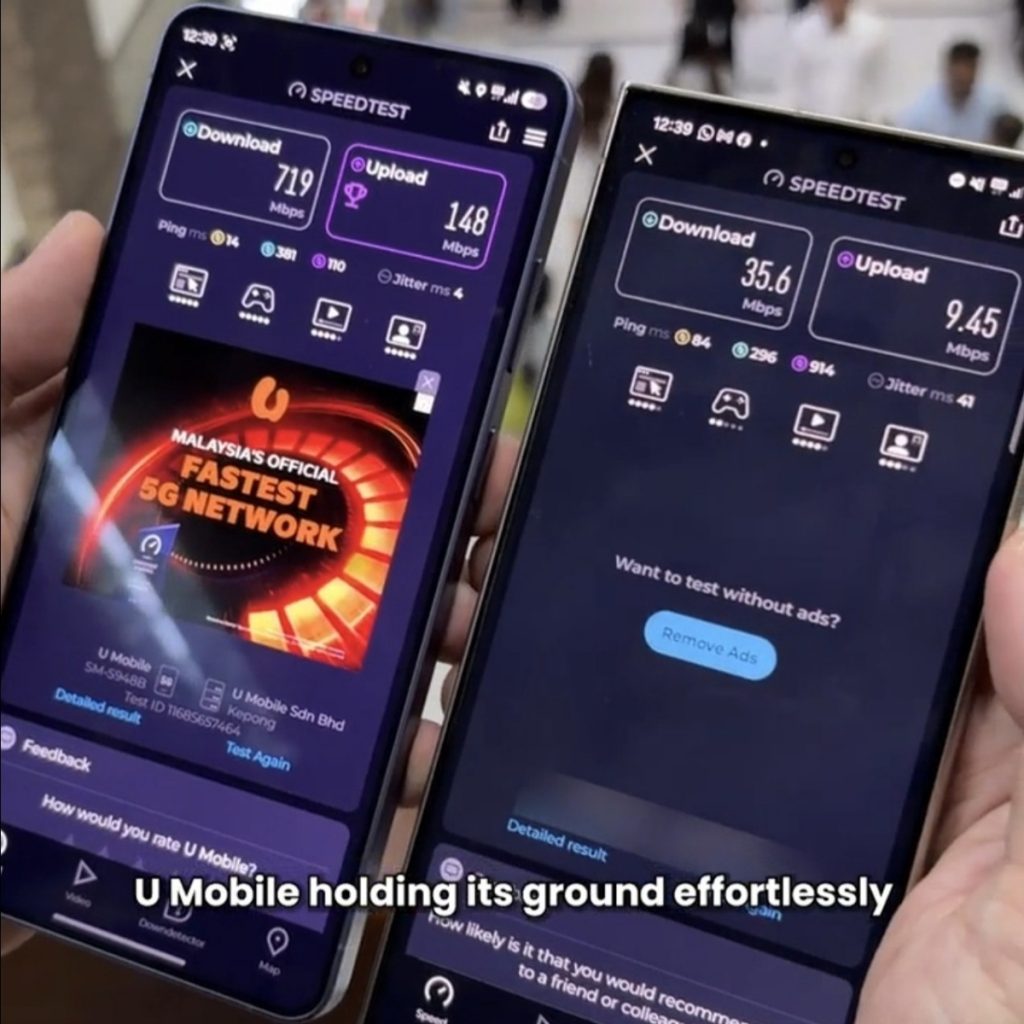
The side-by-side test inside the building corridors highlighted the difference this infrastructure makes:
- U Mobile ULTRA5G (Wisma Cosway): ~719 Mbps
- Telco X (Wisma Cosway): ~35 Mbps
U Mobile cleared the obstacle with a substantial lead, while Telco X’s connection showed visible signs of degradation as it tried to bypass the heavy structural barriers.
4. Sunway Putra Mall: Deep Indoor Testing & Heavy Lifting
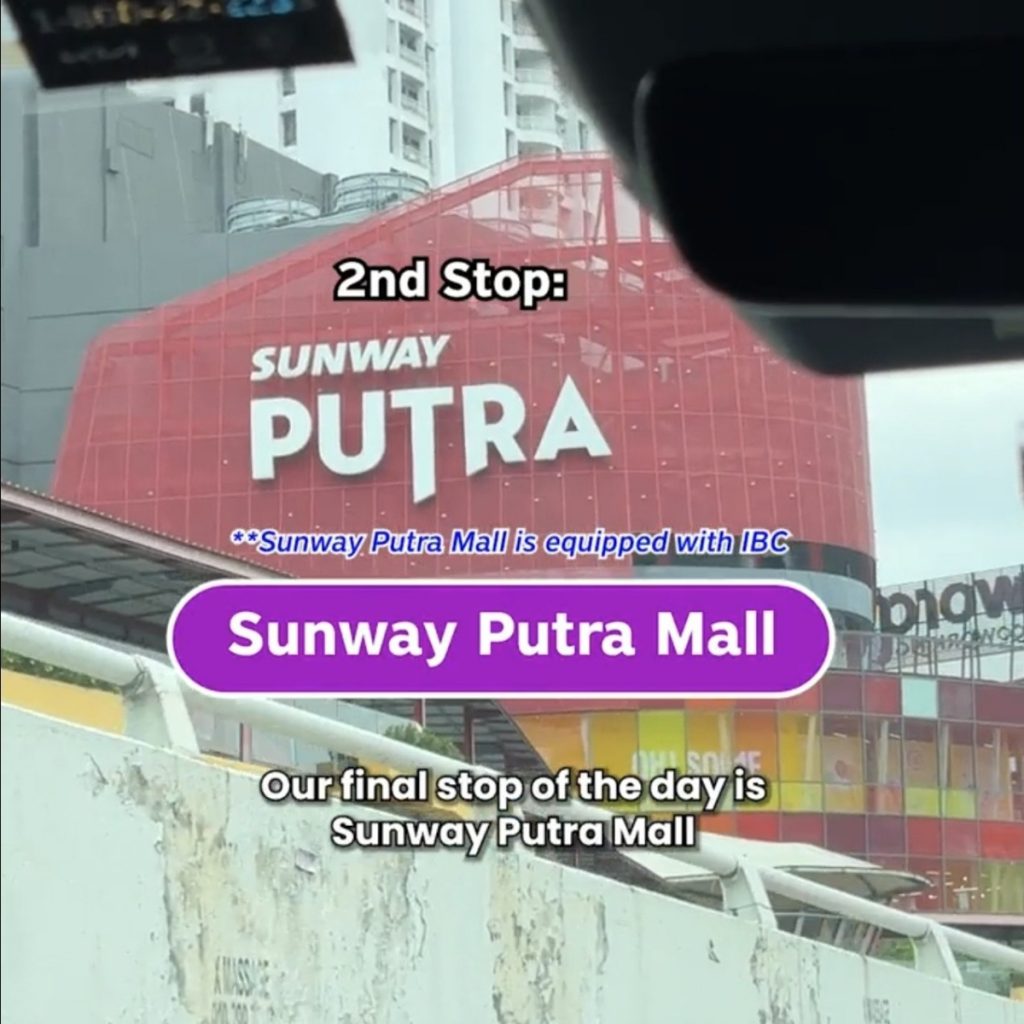
Next, we headed to Sunway Putra Mall, an official IBC deployment hub, to see how the network manages data congestion and heavy application loads deep inside a modern commercial layout.
The Core Mall Area Test
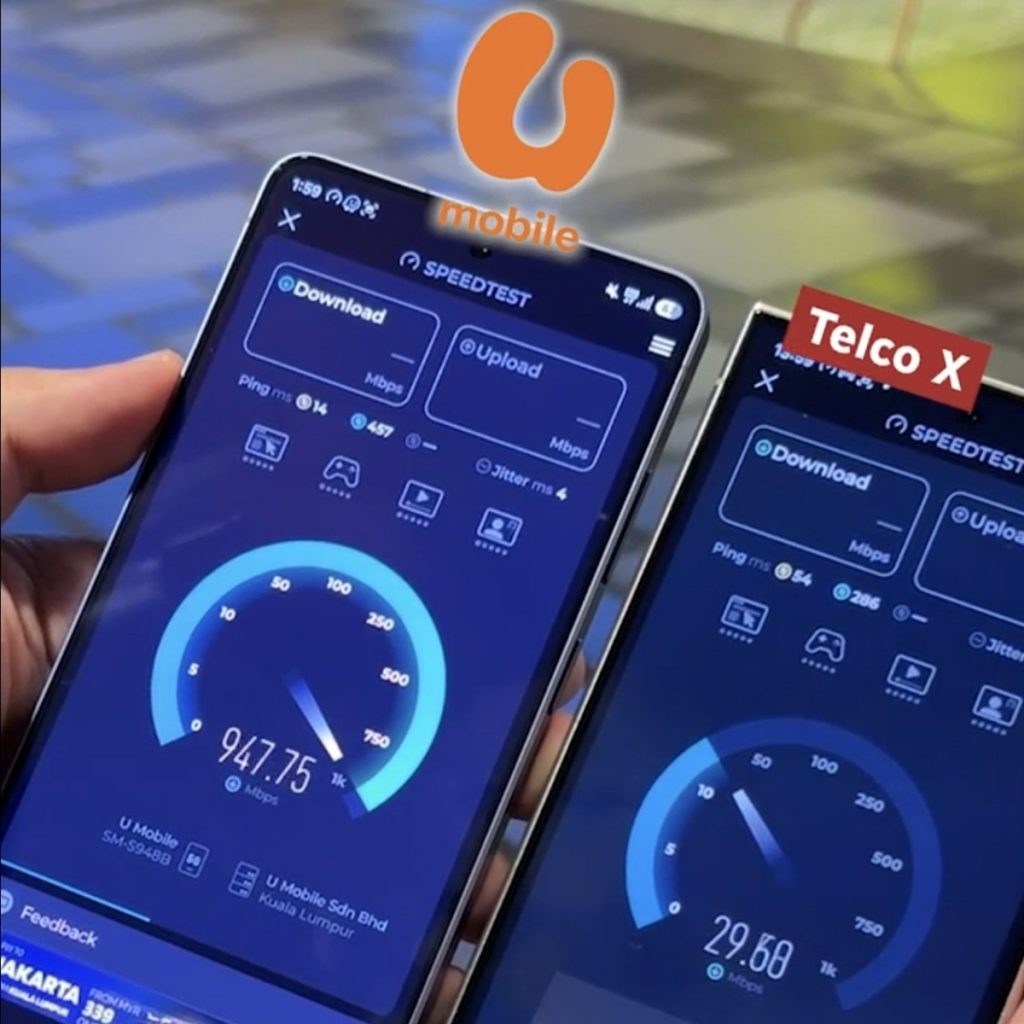
Setting up a temporary workspace deep within the commercial floor, we ran our final standard indoor comparison:
- U Mobile ULTRA5G (Sunway Putra Mall G Floor): ~934 Mbps
- Telco X (Sunway Putra Mall G Floor): ~29 Mbps
Once again, U Mobile outperformed the competitor by a wide margin.
But we wanted to move past simple bandwidth checks and put the network through a sustained productivity test. We initiated a direct upload of a massive 1.8GB 4K video file straight to Google Drive. The progress bar moved continuously without stalling, timing out, or freezing, completing the heavy file transfer seamlessly.
The Live Latency Test

To test real-time network latency, we used a standard mid-range device, the HONOR 600 Pro, to place a video call to a colleague back at the GMBB office. Despite being surrounded by multi-level concrete flooring, the video and audio feeds remained crisp, clear, and entirely free of lag on both ends of the stream.
5. The Ultimate Indoor Dead Zone: Basement Parking (B2)
To push the limits of the dedicated indoor equipment, we descended to Basement Level 2 (B2). Subterranean parking basements are historically the ultimate final boss for mobile coverage, usually cutting off cellular reception entirely.
The results here painted the clearest picture of the entire stress test:
- U Mobile ULTRA5G (Sunway Putra Mall B2): ~168 Mbps
- Telco X (Sunway Putra Mall B2): ~26 Mbps
While deep underground, U Mobile maintained a highly stable connection, clocking in securely above the 100Mbps threshold. On the same spot, Telco X’s network choked under the extreme structural blockage, struggling to even complete the baseline speed test execution.
The Verdict
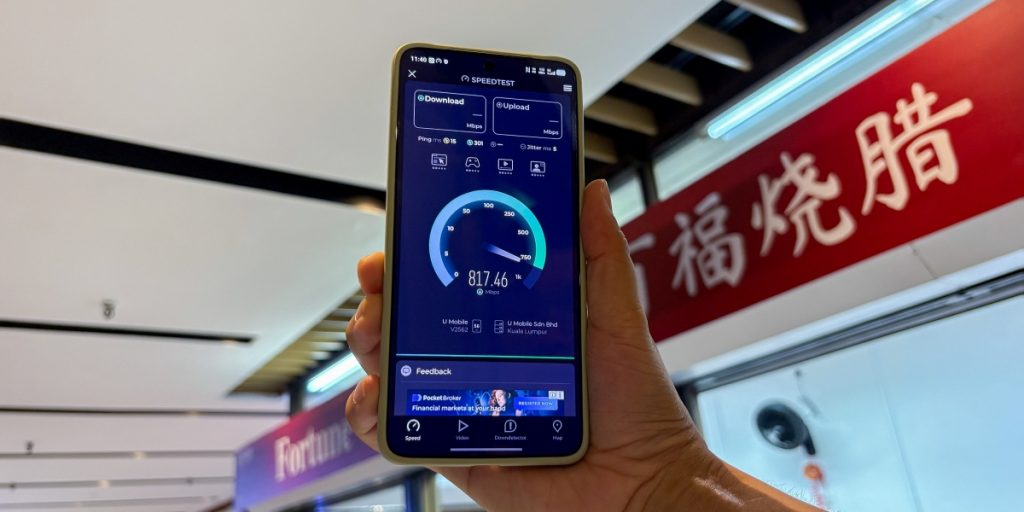
Our real-world testing mirrors the broader findings published by OpenSignal. According to their analytical report, U Mobile users are twice as likely to experience excellent indoor signal strength in Malaysia compared to rival networks, with indoor dead zones dropping to just 8% compared to the 24% competitor average.
The takeaway is clear: the future of reliable mobile data will not be judged by theoretical download speeds clocked outdoors under perfect conditions. It will be won inside the offices, transit stations, and basements where people actually live and work.
While this advanced hardware is currently limited to specific premier locations, our on-the-ground look proves that when a network invests heavily in dedicated In-Building Coverage, even a mid-range phone can keep you flawlessly connected deep indoors.
How fast is ULTRA5G inside KL Malls? Here’s What Dedicated Indoor ULTRA5G Infrastructure Can Actually Do
News Reports PH


0 Comments