
Porsche Cayenne Electric is now officially available in Malaysia. The SUV is the 3rd fully electric offering that Porsche has launched in Malaysia after Taycan and Macan.
Joining the previous petrol and E-Hybrid (PHEV) models, the rollout of Cayenne Electric has also made the Cayenne family complete. While the ICE-based Cayenne as well as Cayenne S E-Hybrid are already locally assembled (CKD) in Malaysia, the Cayenne Electric is currently fully imported (CBU) from Volkswagen Bratislava Plant in Slovakia.
Porsche Cayenne Electric Malaysia Pricing
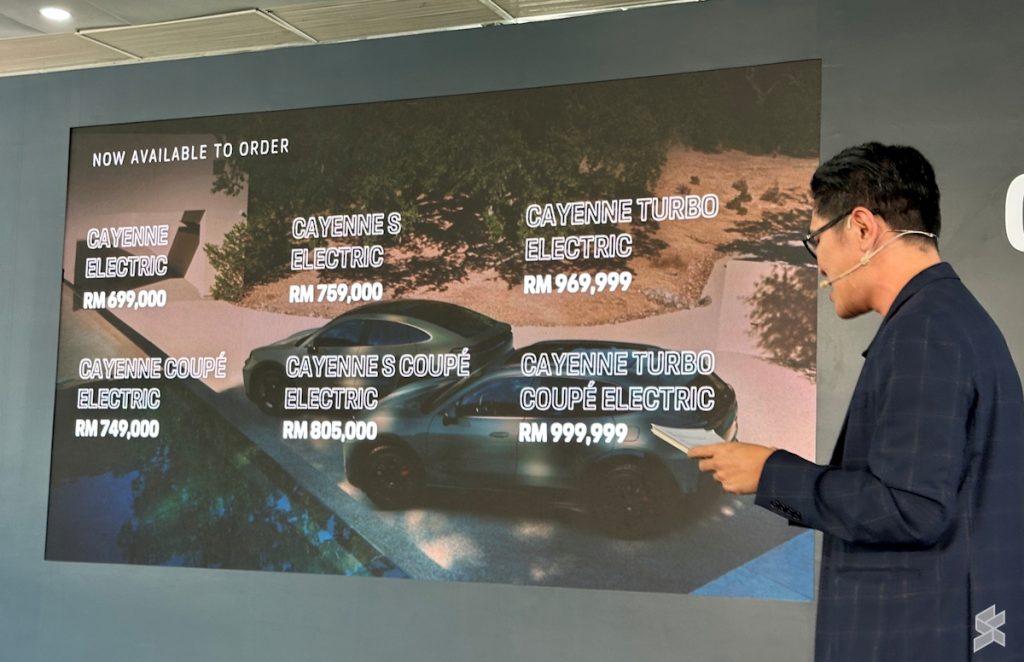
In Malaysia, the Porsche Cayenne currently has two main variants, which are the Cayenne Electric and Cayenne Electric Coupe. Each of them has 3 different specs: the standard, S, and Turbo.
In case you are not familiar with Porsche’s model designation, the S stands for Super or Sport, which indicates slightly more performance and additional features than the base model.
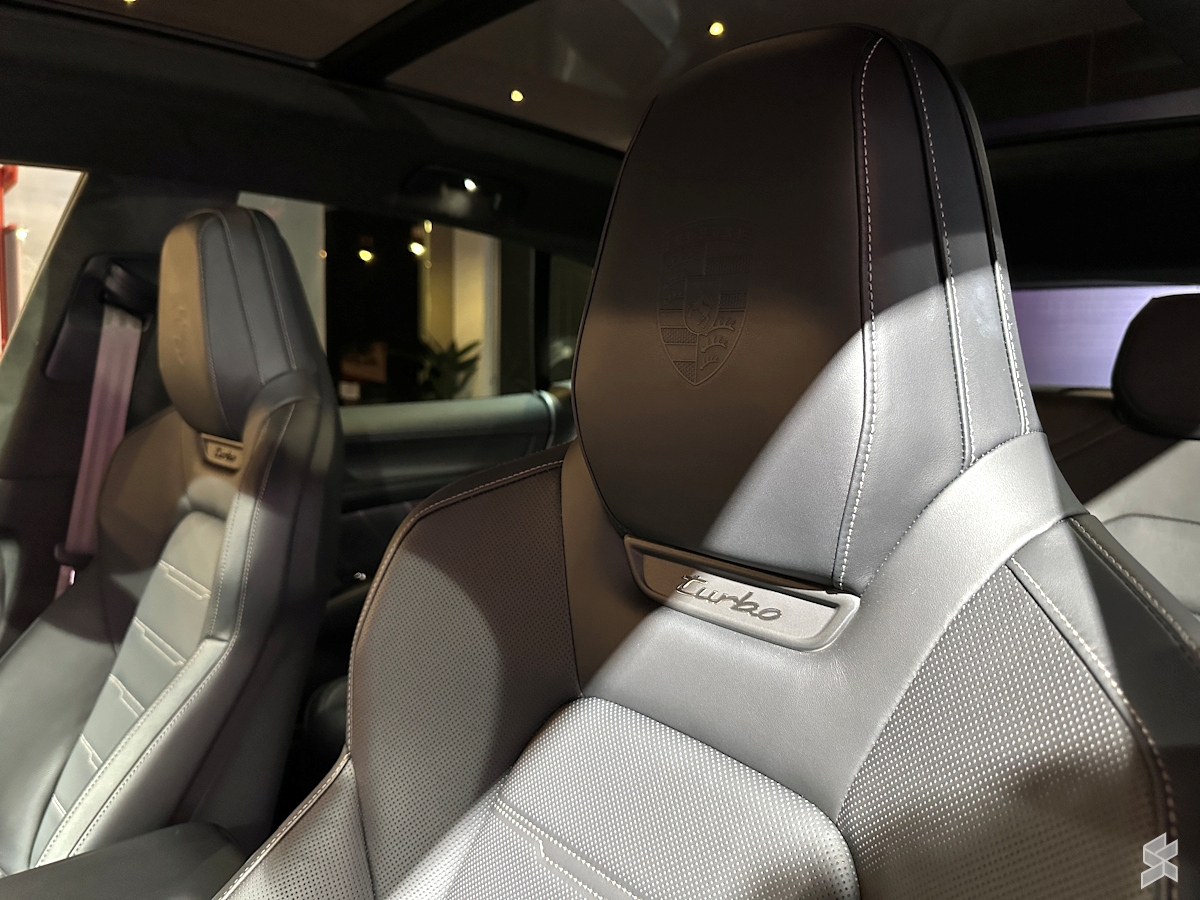
As for Turbo, these days it is no longer tied to turbocharged engines, but instead, it represents the highest-end model that the series has to offer. At the moment, there is no GT model for the Cayenne Electric family.
So, here’s how their starting prices look like in Malaysia:
- 2026 Porsche Cayenne Electric: RM699,000
- 2026 Porsche Cayenne S Electric: RM759,000
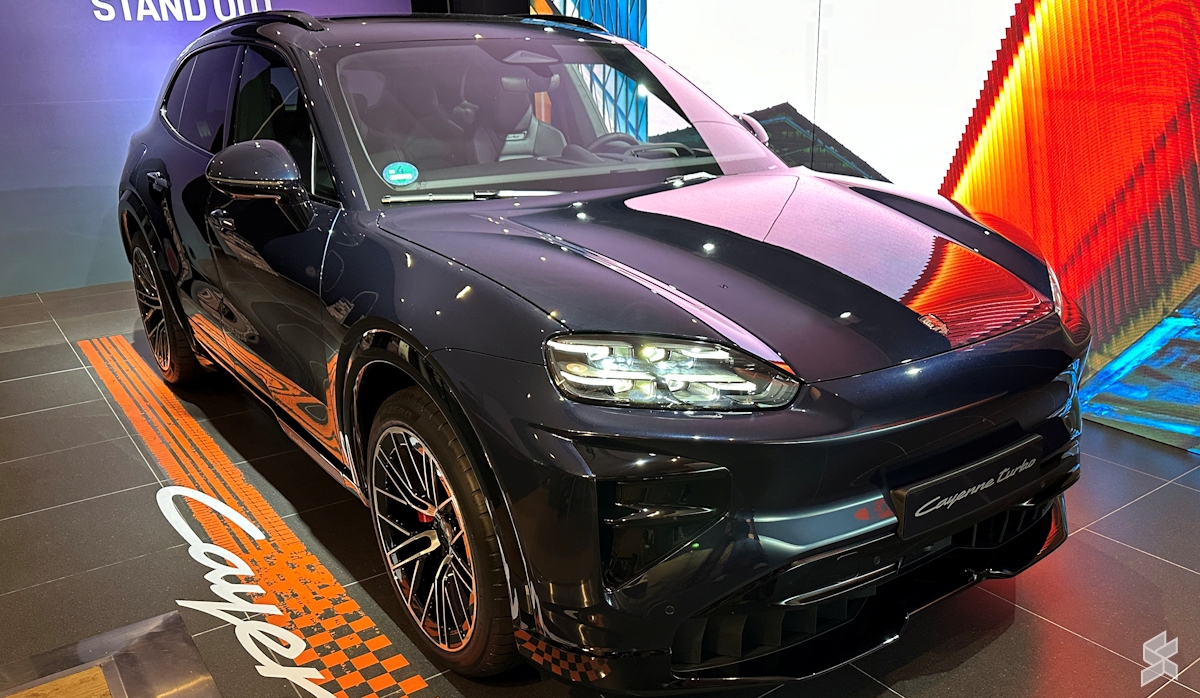
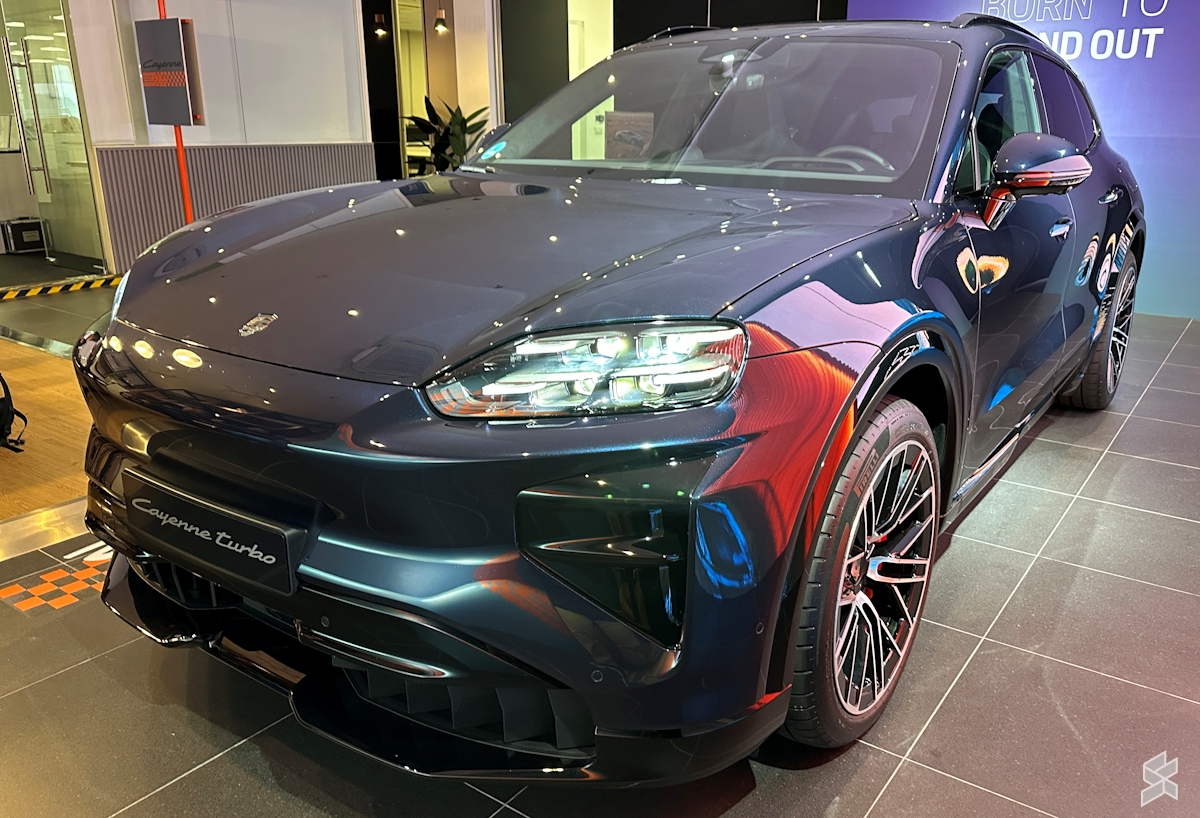
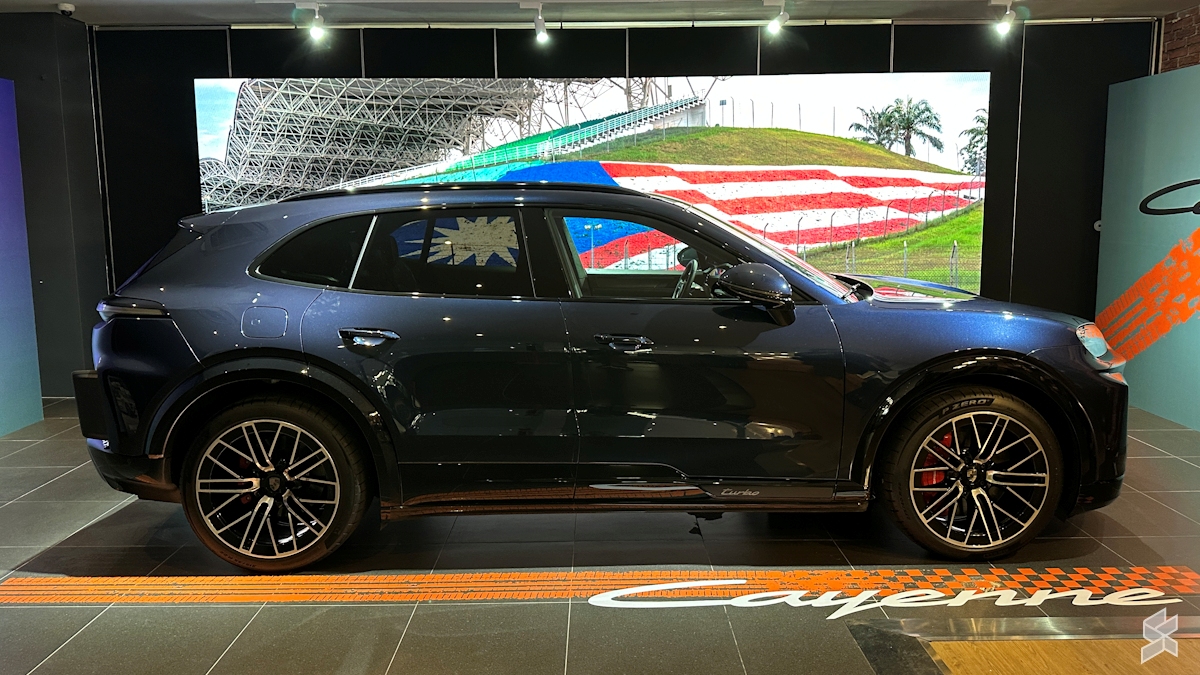
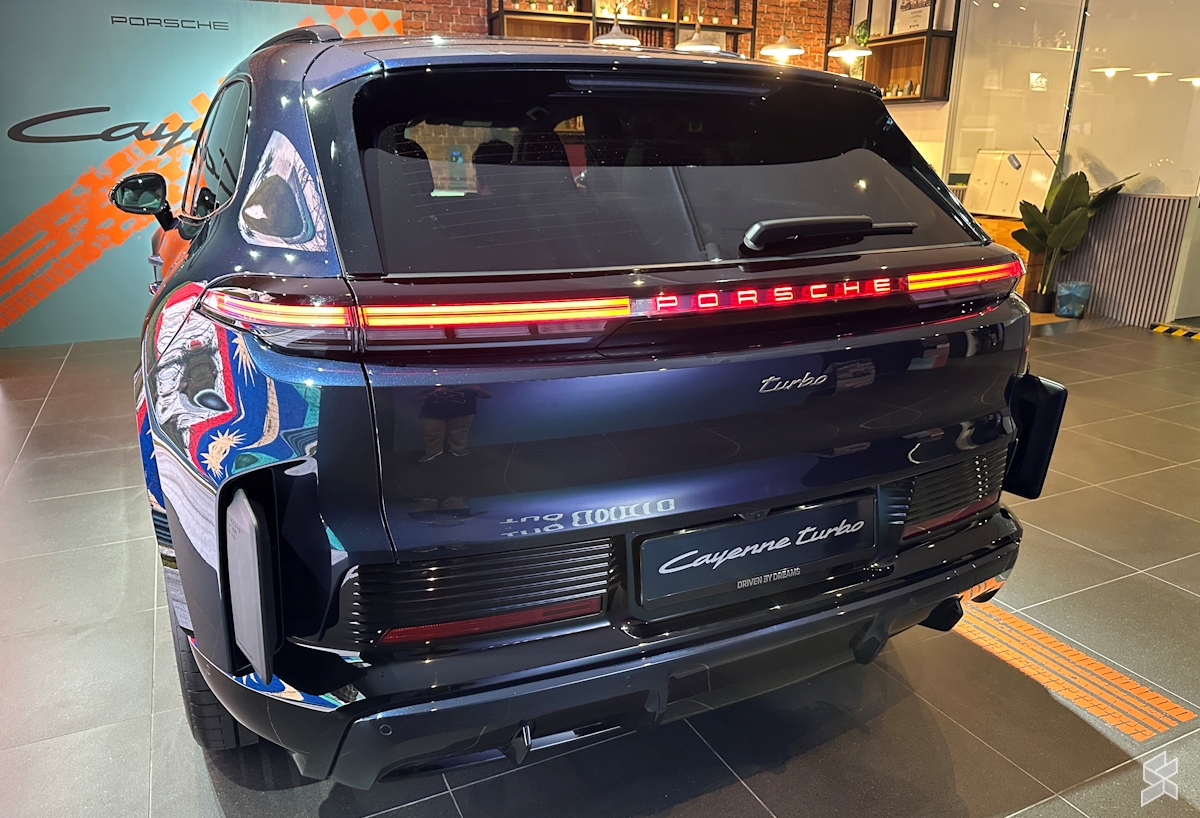
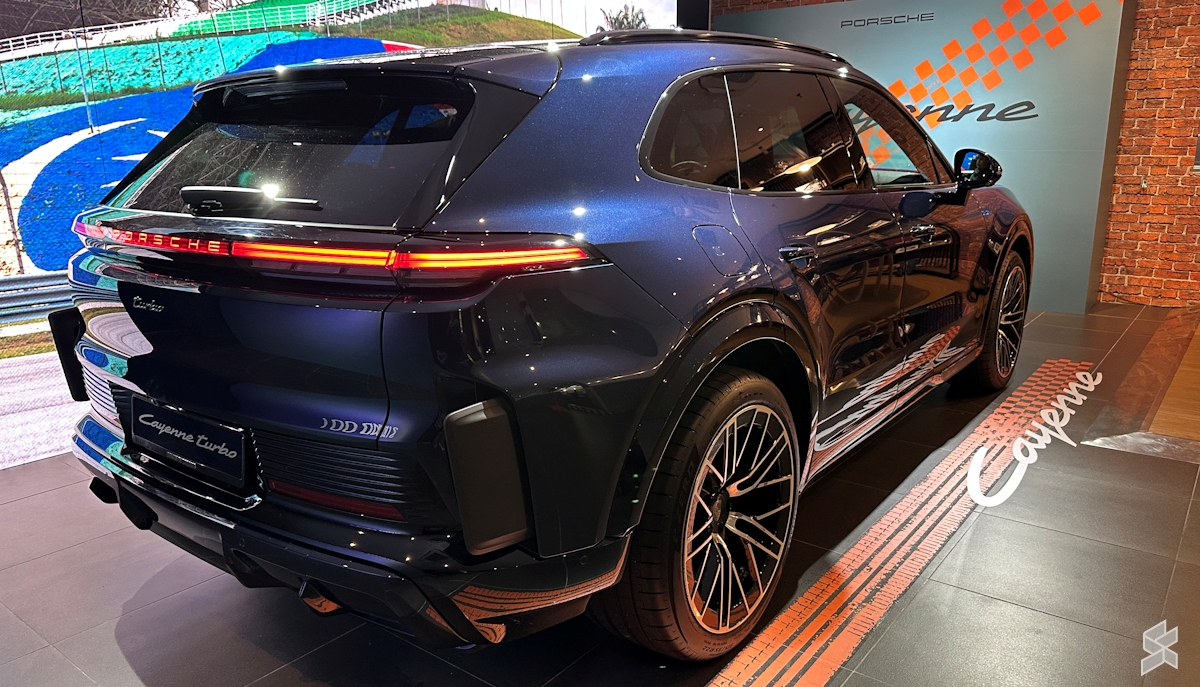
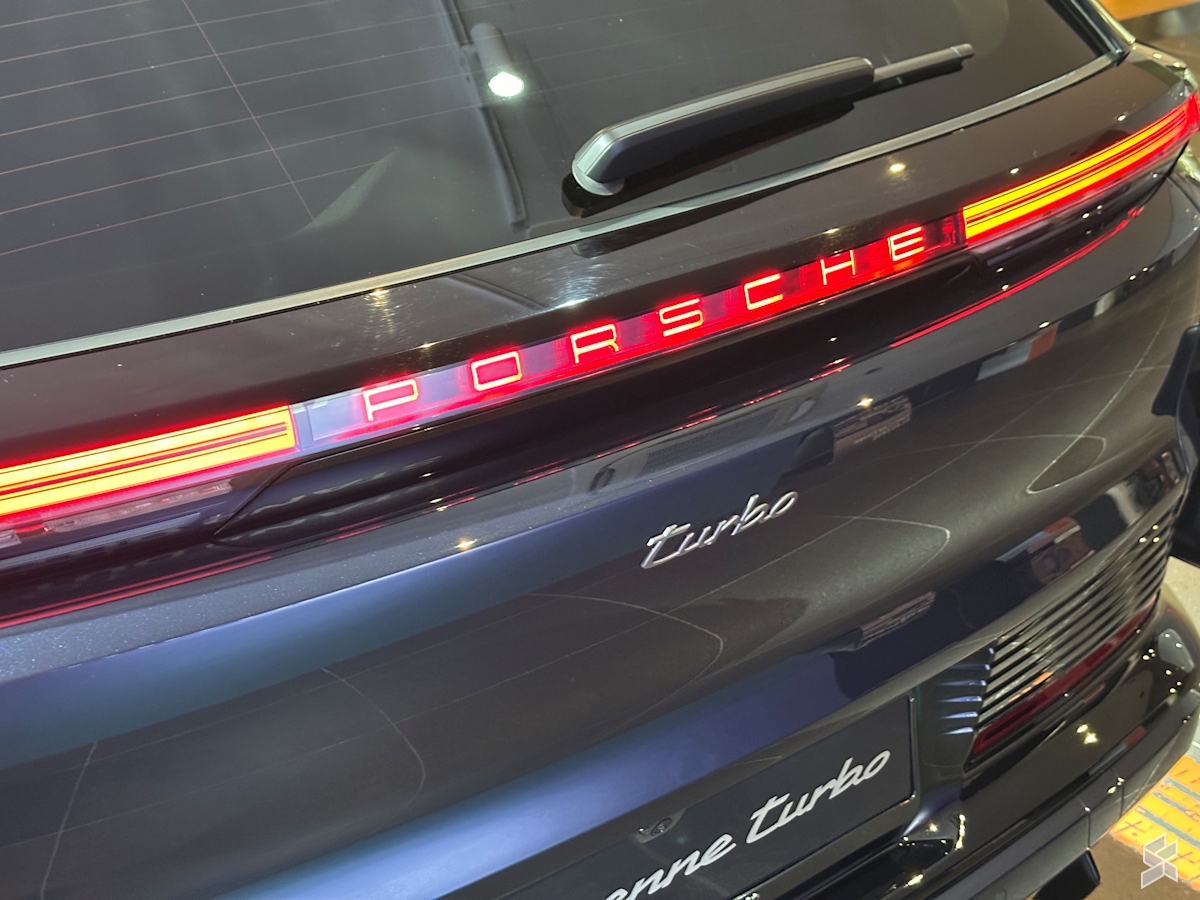
- 2026 Porsche Cayenne Turbo Electric: RM969,999
- 2026 Porsche Cayenne Coupe Electric: RM749,000
- 2026 Porsche Cayenne S Coupe Electric: RM805,000
- 2026 Porsche Cayenne Turbo Coupe Electric: RM999,999
As always for Porsche, the price mentioned above is just the base pricing and does not include the personalised options. Try out the online configurator on Porsche Malaysia’s website and see for yourself how deep you can go.
Porsche Cayenne Electric offers supercar-like performance
Porsche is one of those names that is synonymous with high-performance vehicles. While the Cayenne might not look like the marque’s Le Mans racing machines, the new all-wheel drive (AWD) electric SUV still have plenty of firepower to offer.
For normal driving, the base Cayenne Electric has a maximum output of 300kW (402hp), while the S and Turbo variants can deliver up to 400kW (536hp) and 630kW (845hp), respectively. When you need some extra power, you can activate the Push-to-Pass function, which gives an additional 130kW (174hp) for 10 seconds.
When the Launch Control feature is activated, the power output of the Cayenne Electric goes up to 325kW (436hp) with 835Nm of torque. Under this mode, the SUV is capable of hitting 0 to 100 km/h in just 4.8 seconds and a top speed of 230km/h.
For the Cayenne S Electric models, the Launch Control pushes the output to 490kW (657hp) with 1,080Nm of torque. They can hit 0 to 100km/h in 3.8 seconds, while the top speed increases slightly to 250km/h.
As for the Cayenne Turbo Electric, the Launch Control mode brings the electric SUV into supercar territory with maximum power output of 850kW (1,140hp) and 1,500Nm of torque. This resulted in a 0-100km/h timing of just 2.5 seconds, together with a maximum speed of 260km/h.
Porsche Cayenne Electric can do KL – Kota Bharu in a single charge effortlessly
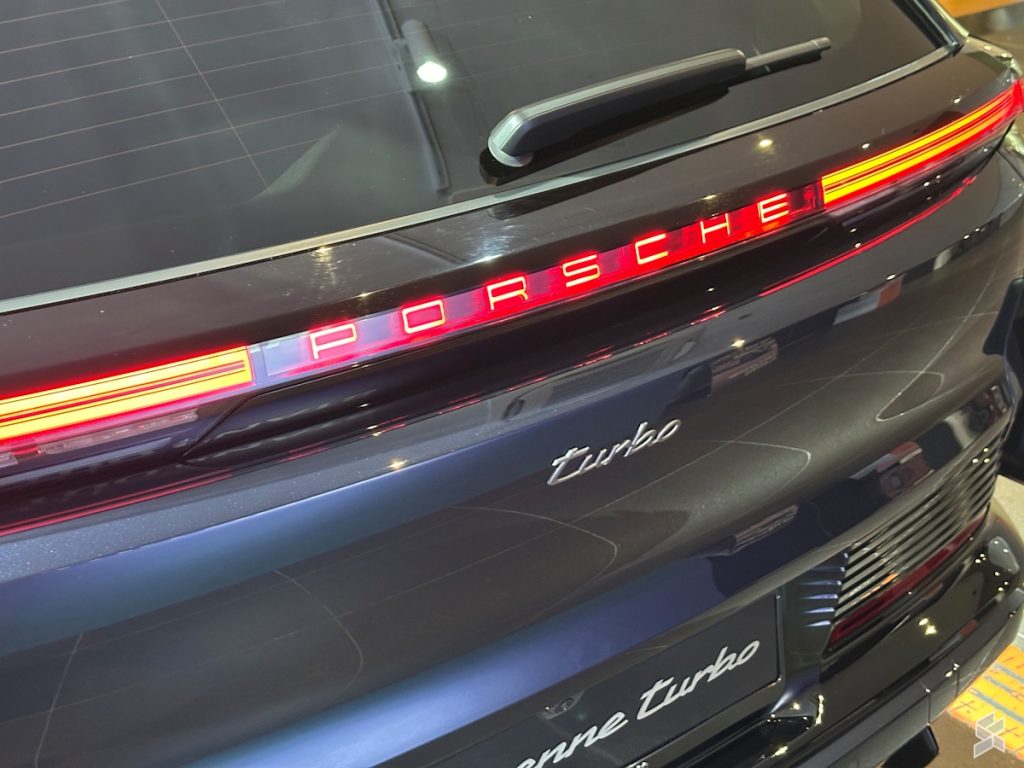
Despite its size and performance, Cayenne Electric is still able to travel the distance. Under the WLTP standard, the base Cayenne Electric can deliver up to 642km of range and 653km for Cayenne S Electric, while the Cayenne Turbo Electric is just slightly lower at 623km.
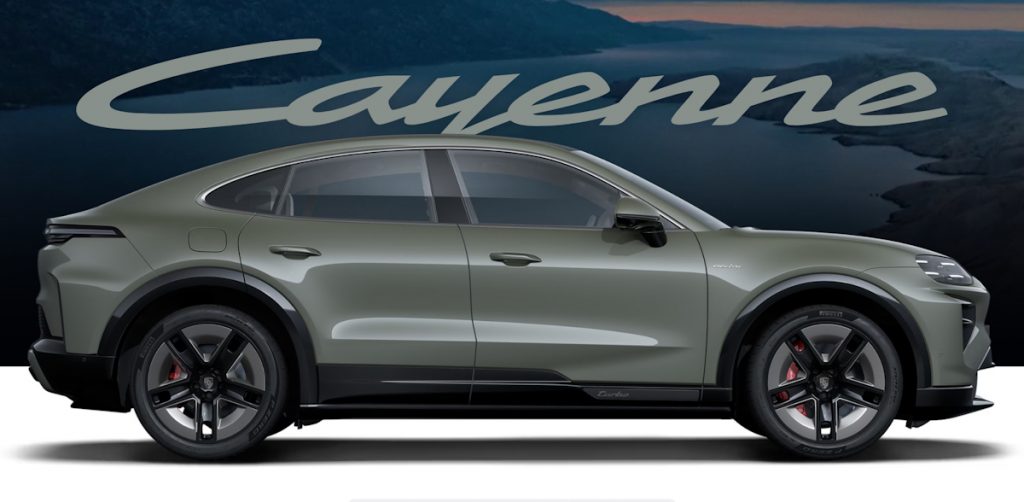
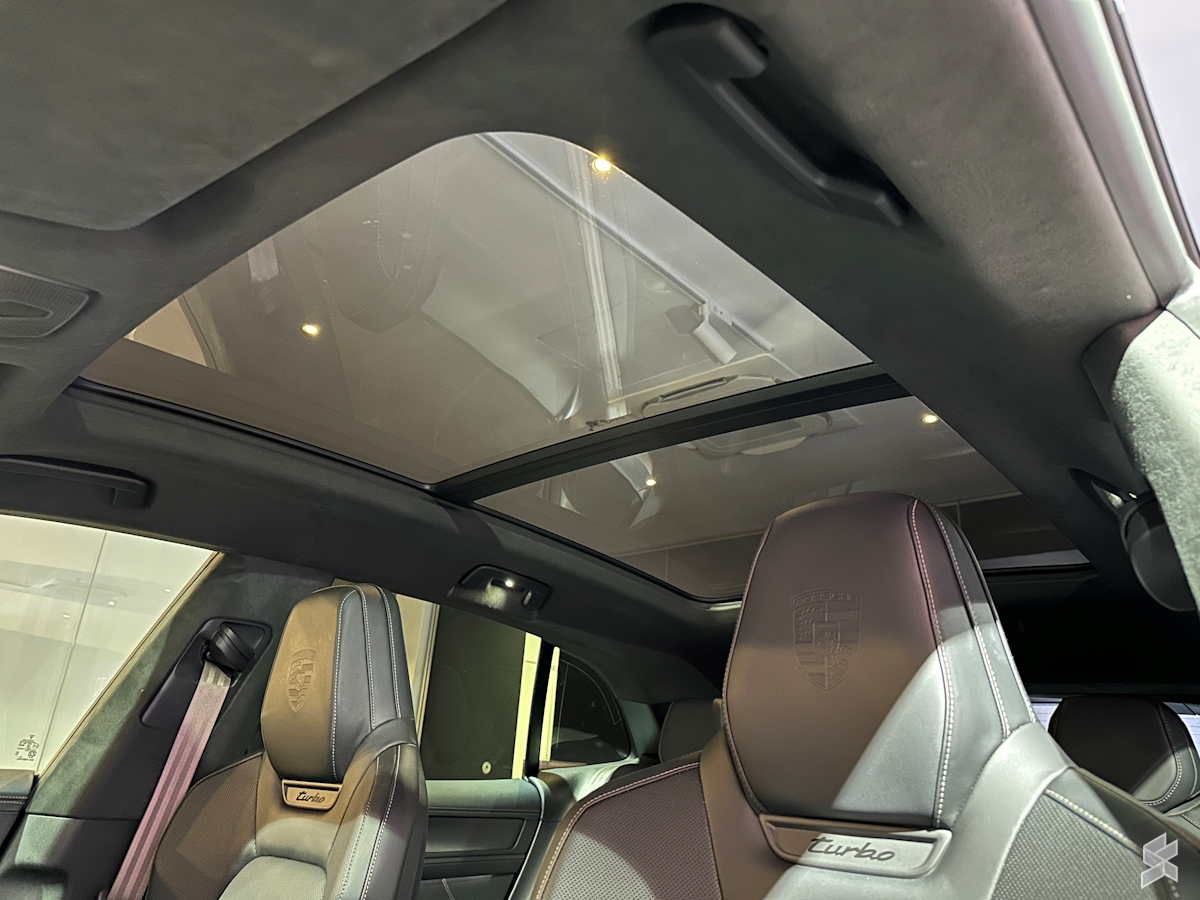
On the other hand, the Cayenne Coupe Electric lineup can go slightly further since its sloping roofline reduces drag further. This allows for up to an additional 18km of range, depending on the variant.
All Cayenne Electric models are powered by a 113kWh (108kWh net) NCMA battery with silicon-graphite anodes. Porsche has sourced the battery cells for the Cayenne Electric models from LG Chem.
Porsche Cayenne Electric cutting-edge charging technology
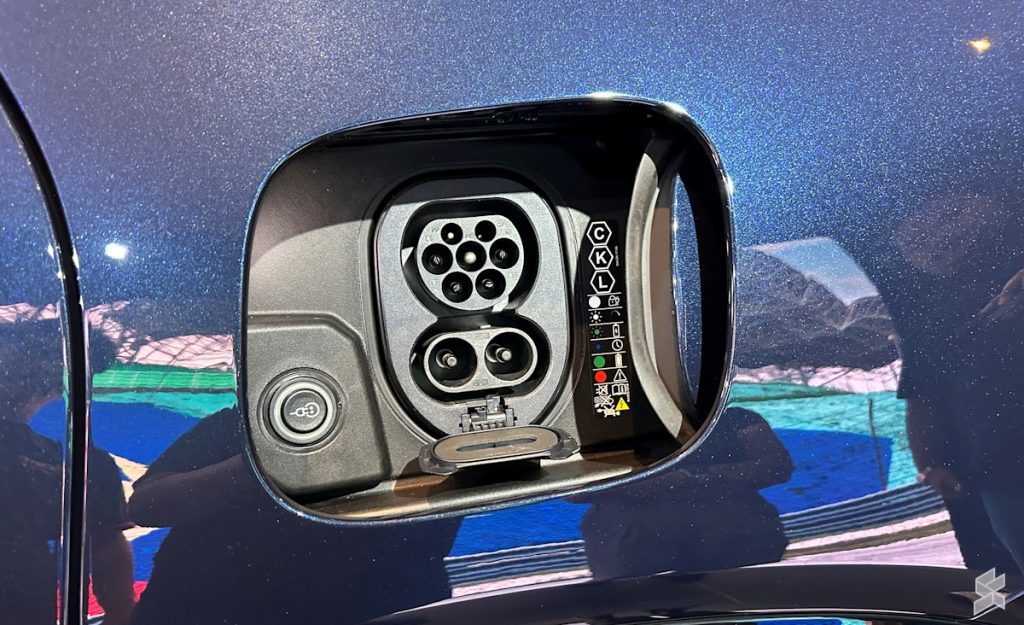
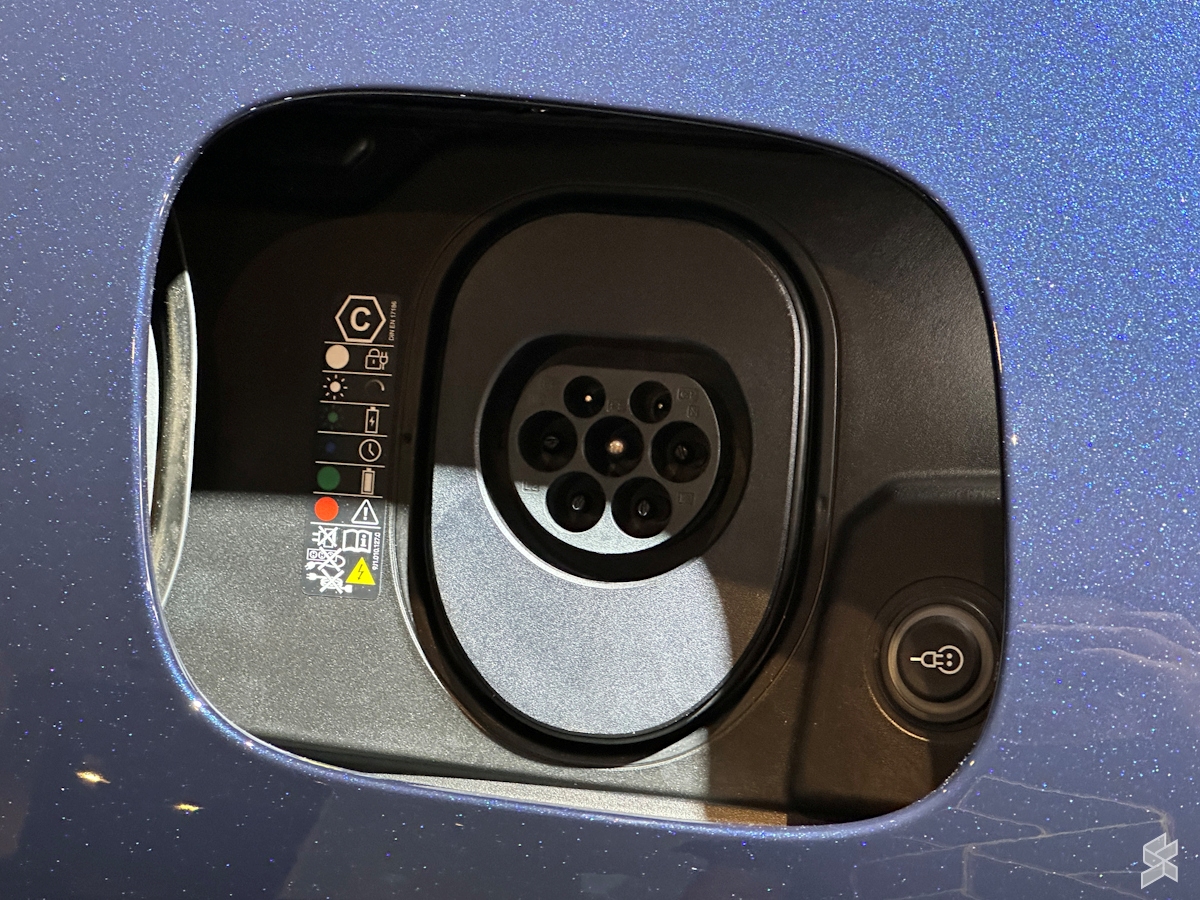
Like the Taycan and Macan Electric, the Cayenne Electric also features 800V technology, which allows for blazing-fast DC charging speeds. Depending on the charger capability and battery conditions, the Cayenne can support a DC charging speed of up to 390kW and, in some conditions, could even go up to 400kW.
Porsche claims that it takes less than 16 minutes to charge the electric EV from 10% to 80%. Not only that but the company also boldly claimed that it is possible for Cayenne Electric and Cayenne Turbo Electric to obtain 325km or 315km of range, respectively, with just 10 minutes of charging.
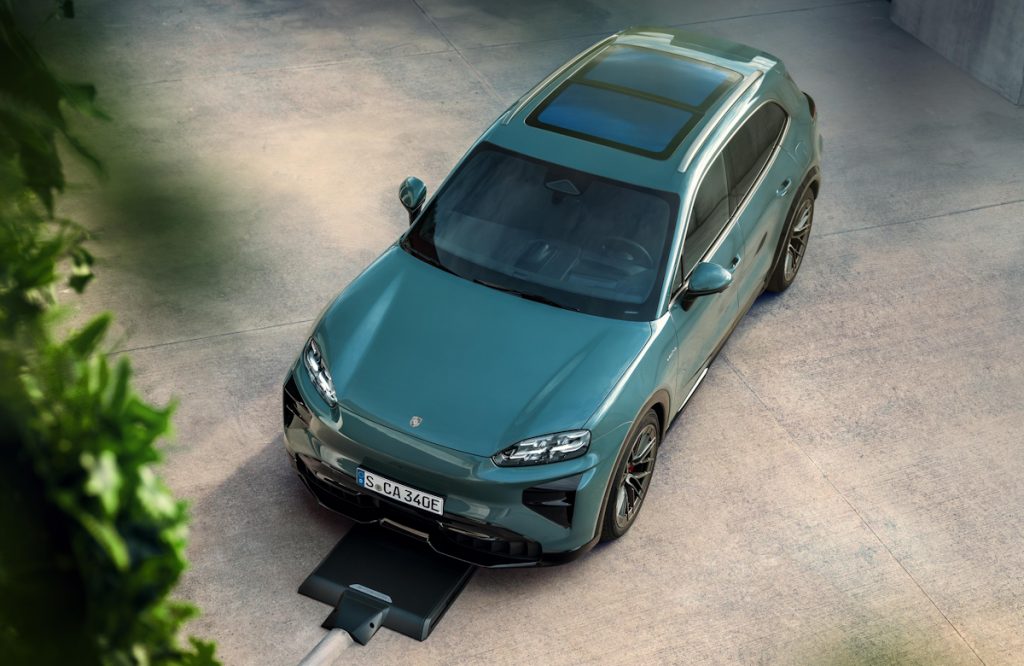
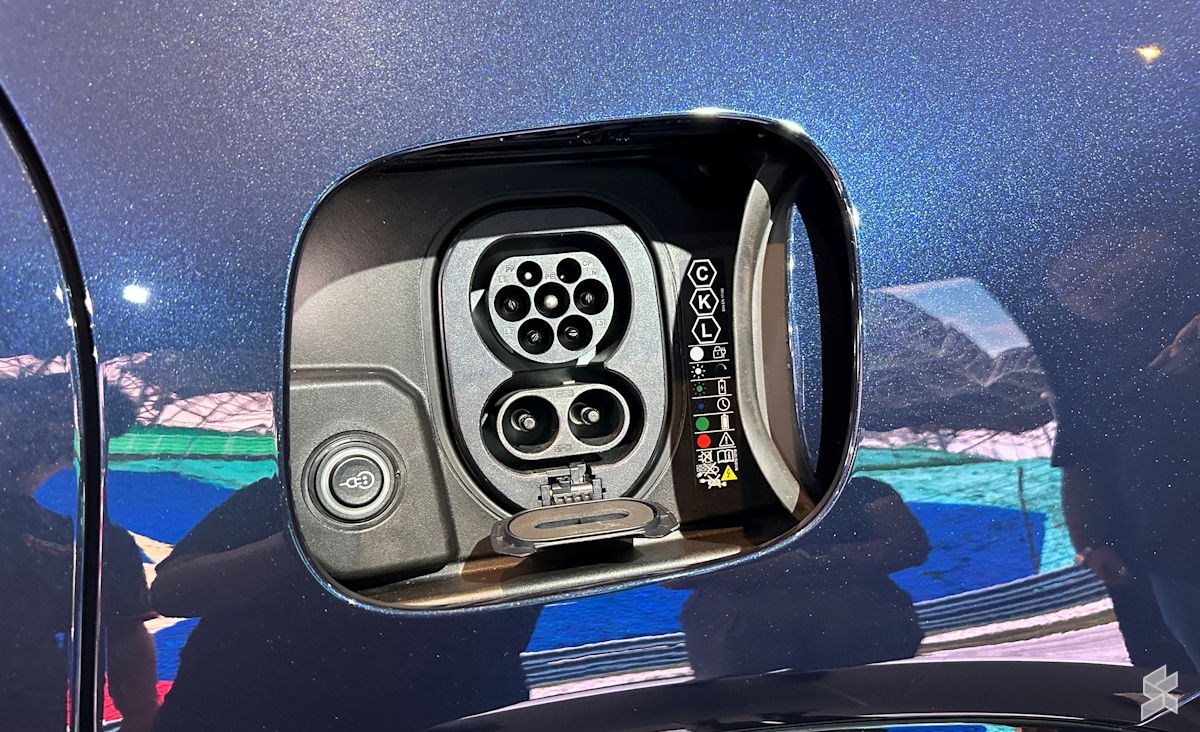
There’s more: the Cayenne Electric can also be charged wirelessly through inductive charging with a charging speed of up to 11kW. For those who prefer to charge the EV through traditional wired AC charging, all Cayenne Electric variants still support an AC charging speed of up to 11kW and can be switched to 22kW for an additional fee.
Meanwhile, Porsche didn’t forget to highlight that the Cayenne Electric has a powerful regenerative braking capability of up to 600kW – much higher than the Taycan, which peaked at 400kW. The technology was picked directly from the Porsche 99X Electric Formula E race car and the company said that 97% of the Cayenne Electric’s braking operations can be handled just by the electric motors.
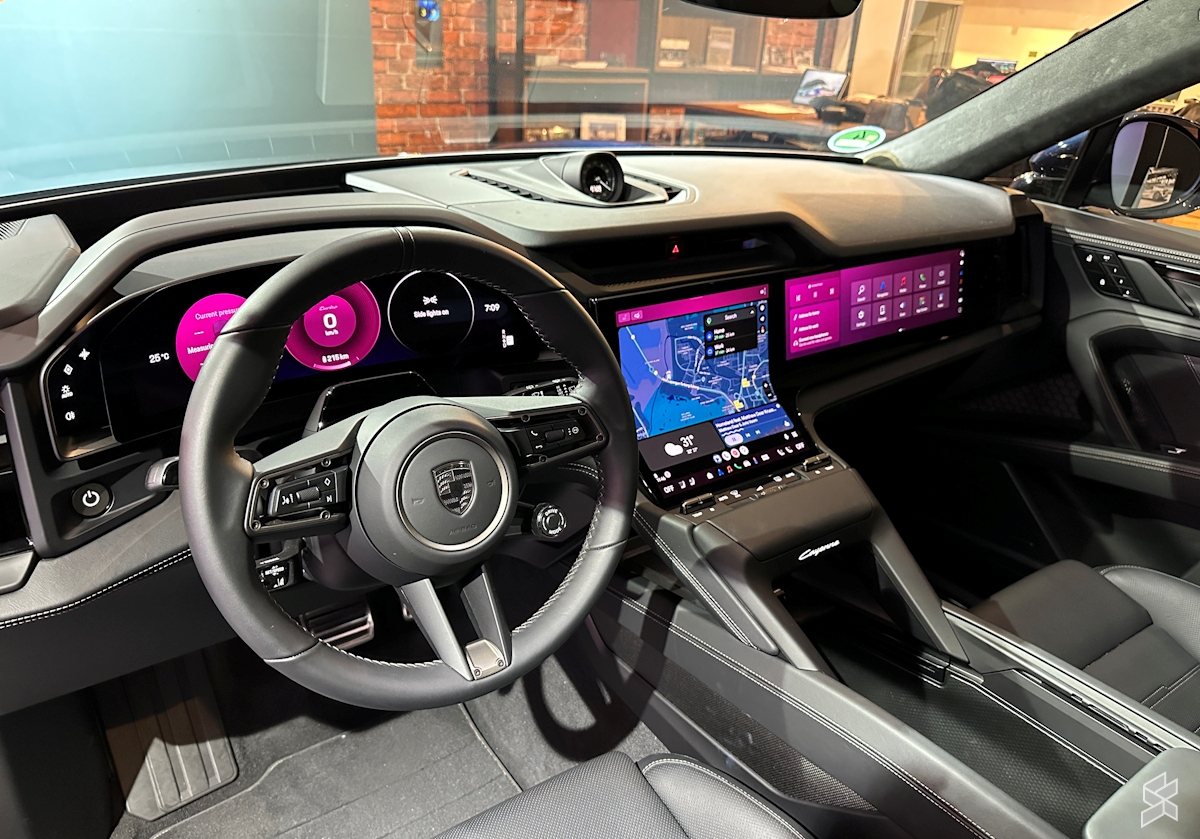
That curved display inside Porsche Cayenne Electric
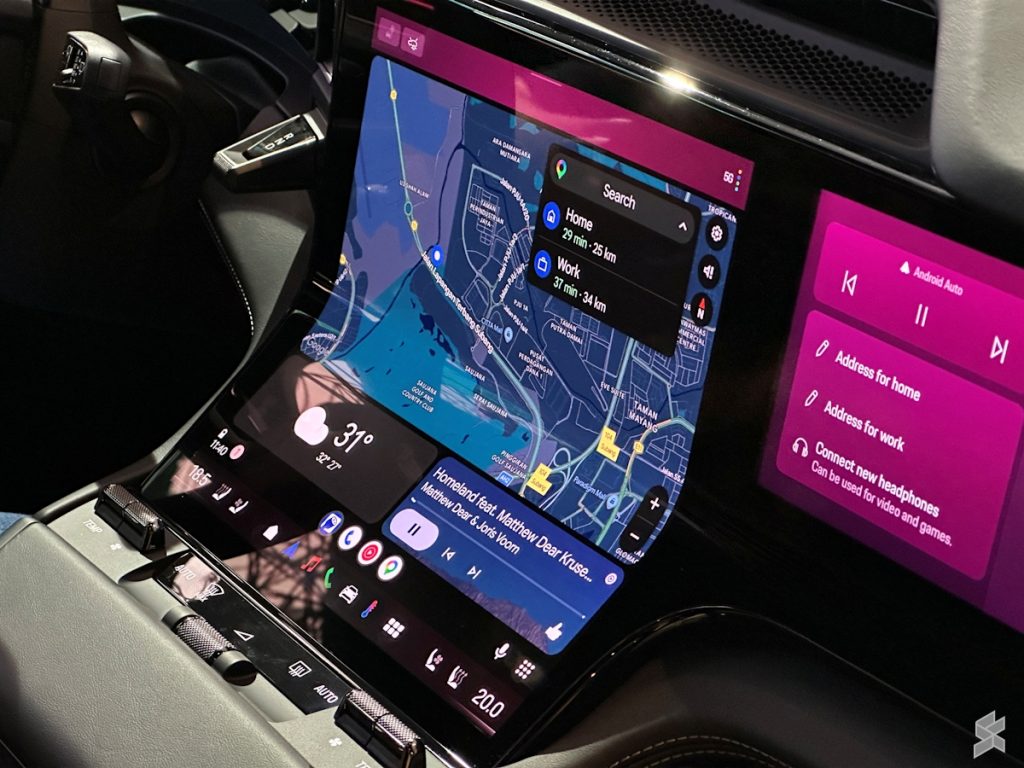
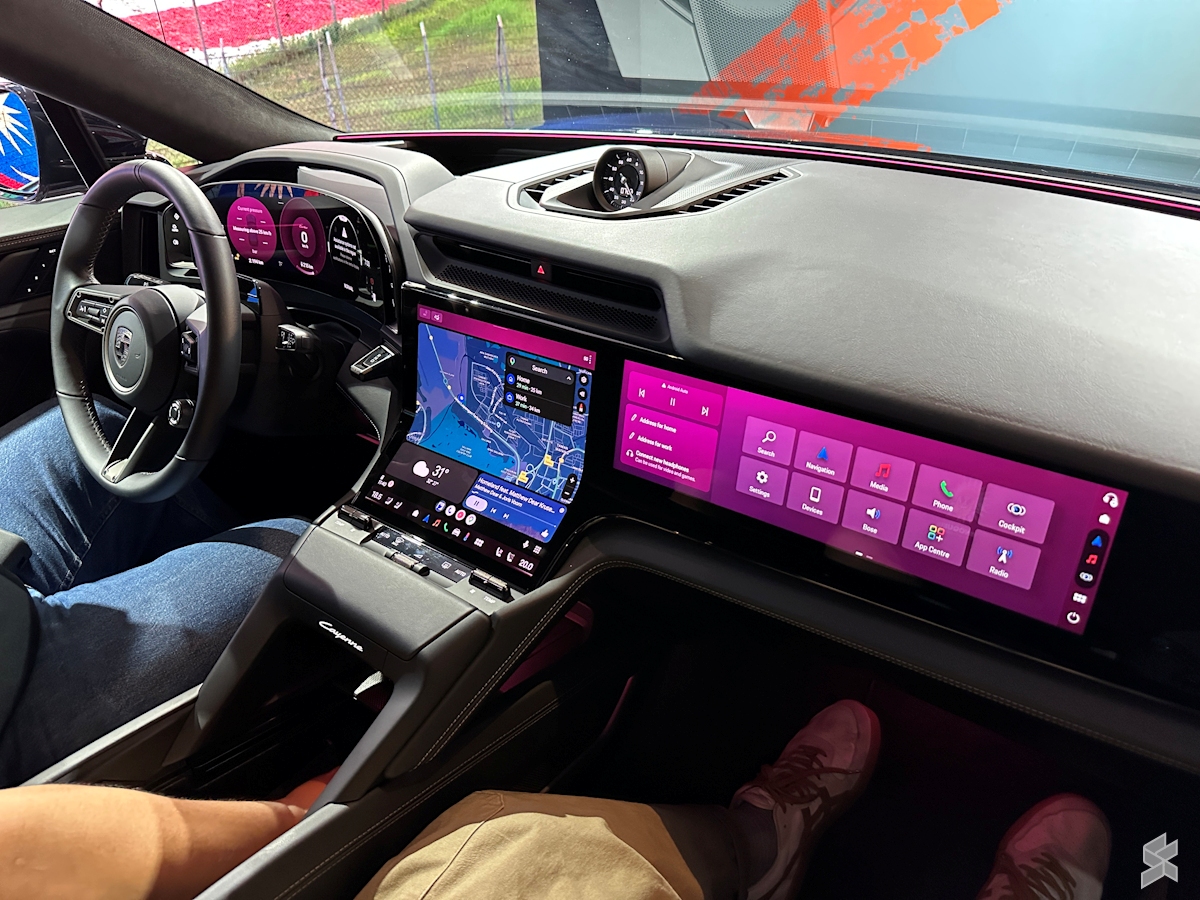
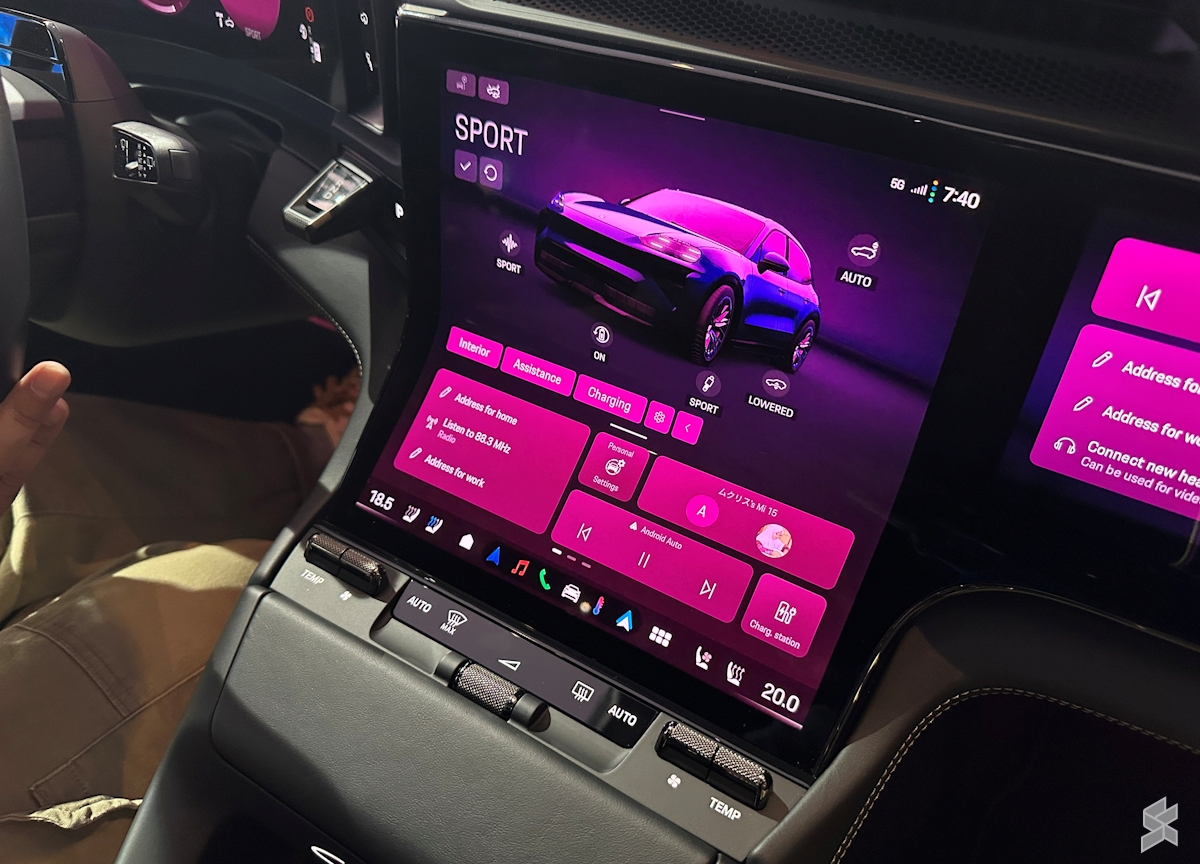
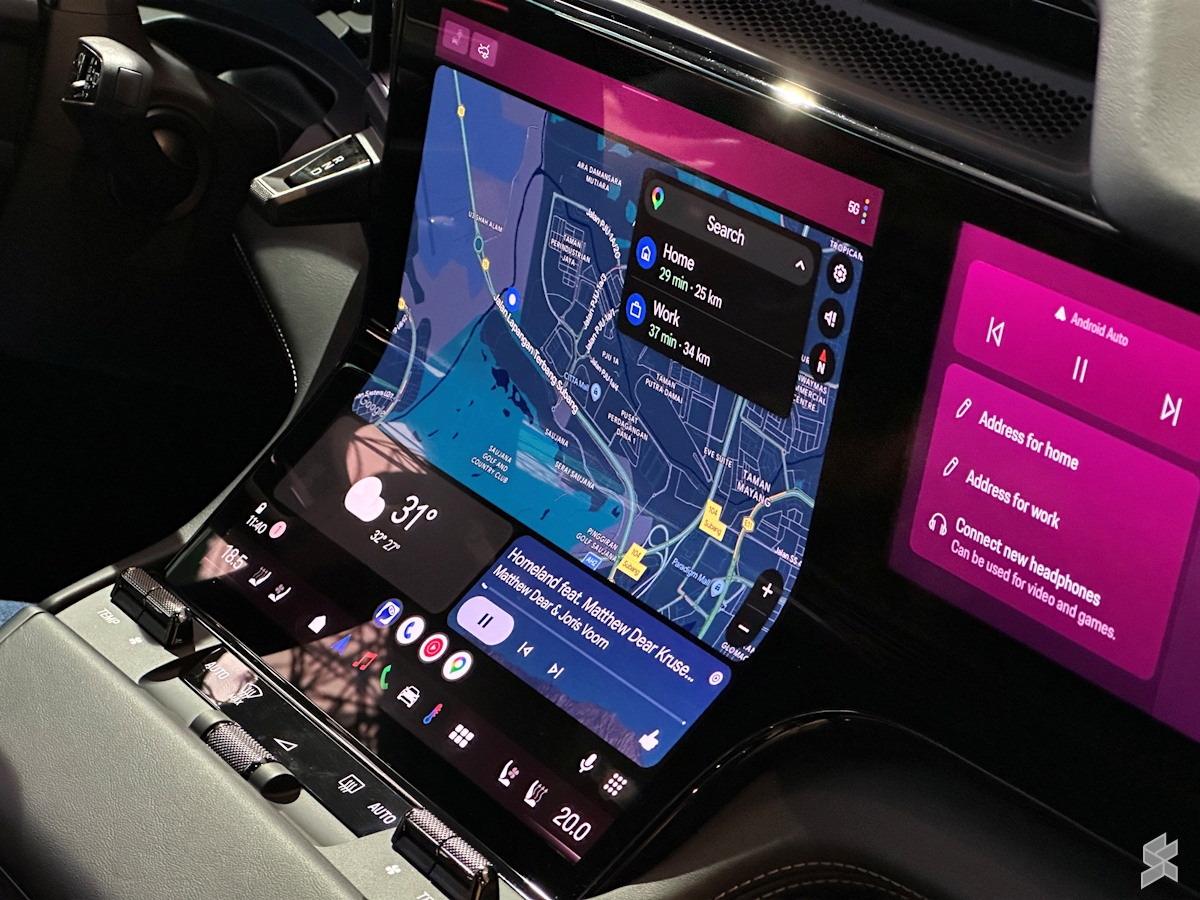
Another eye-catching feature that Porsche has introduced through the new Cayenne Electric is the curved infotainment display. Yes, you read that correctly – curved.
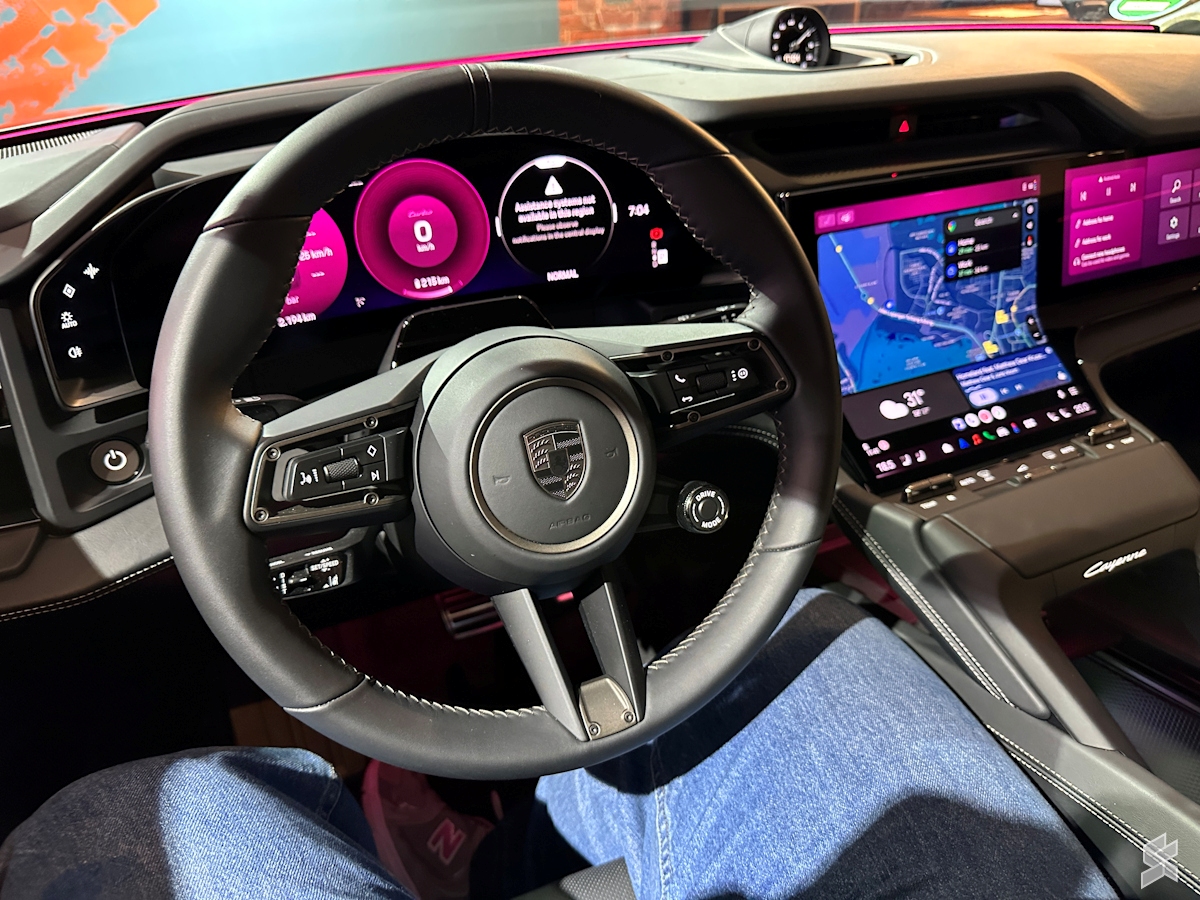
Called Flow Display, it allows the Cayenne Electric to have a larger centre display than the Taycan and Macan in a slightly more classy way, which is without looking like there is a massive tablet on the dashboard, as per most cars out there.
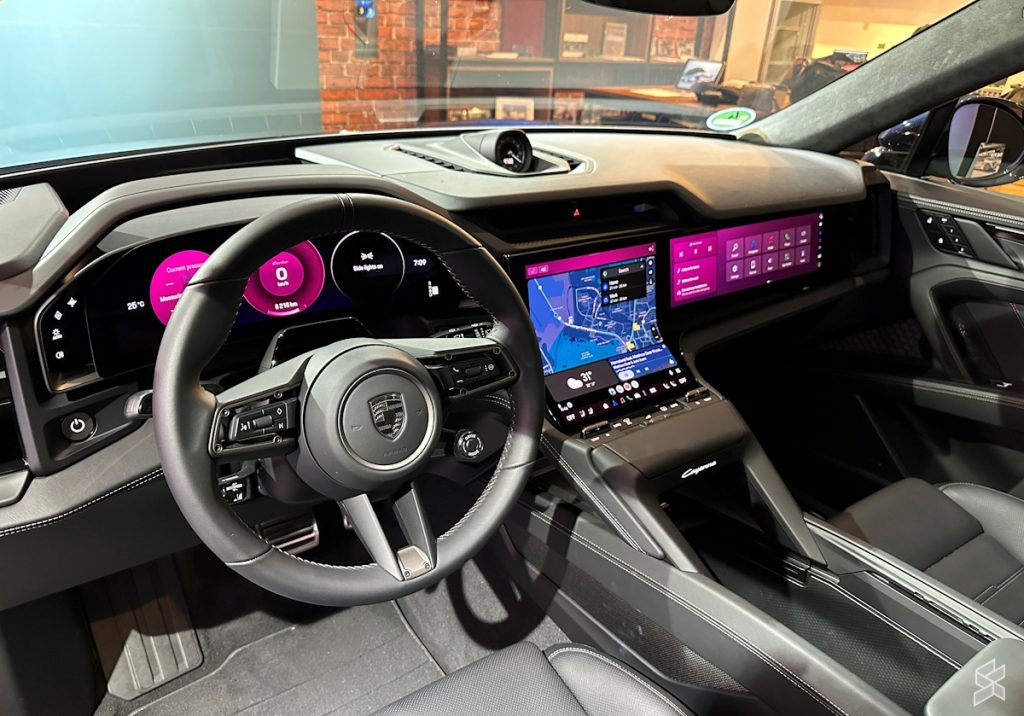
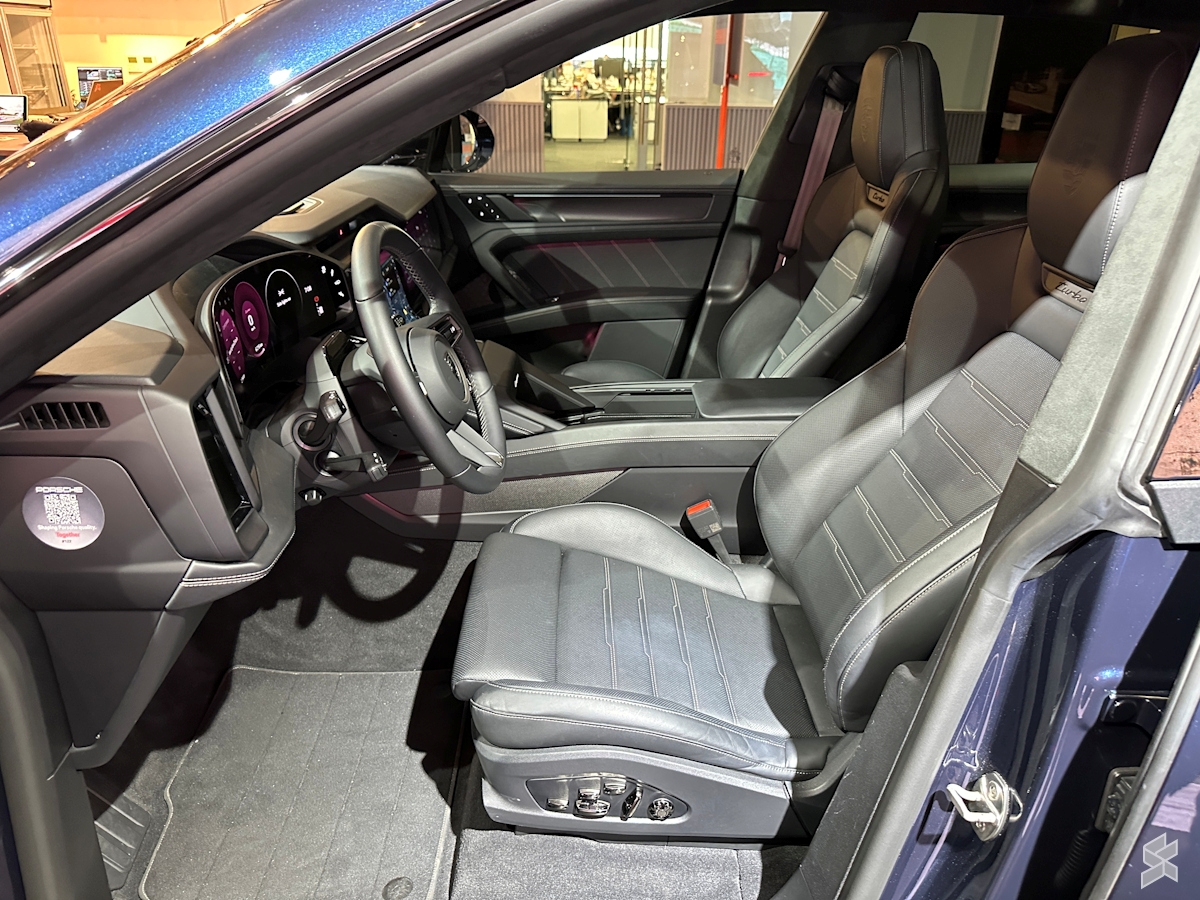
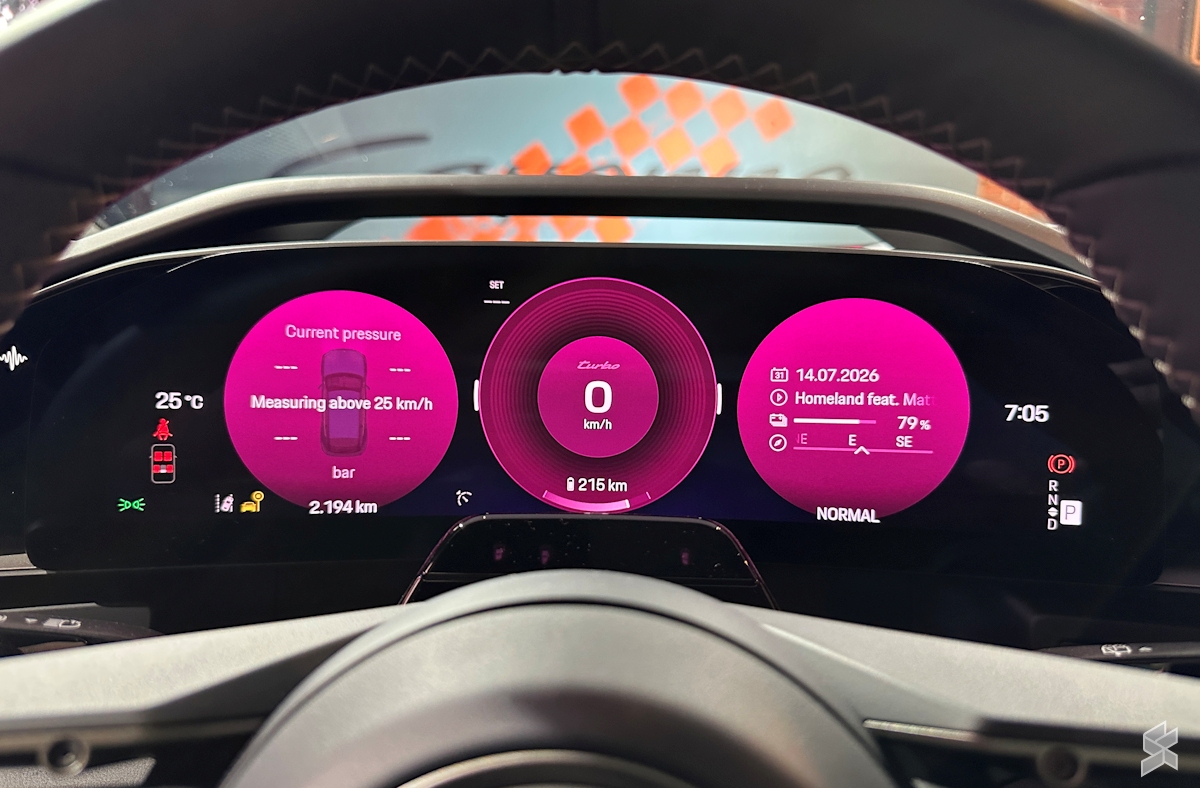
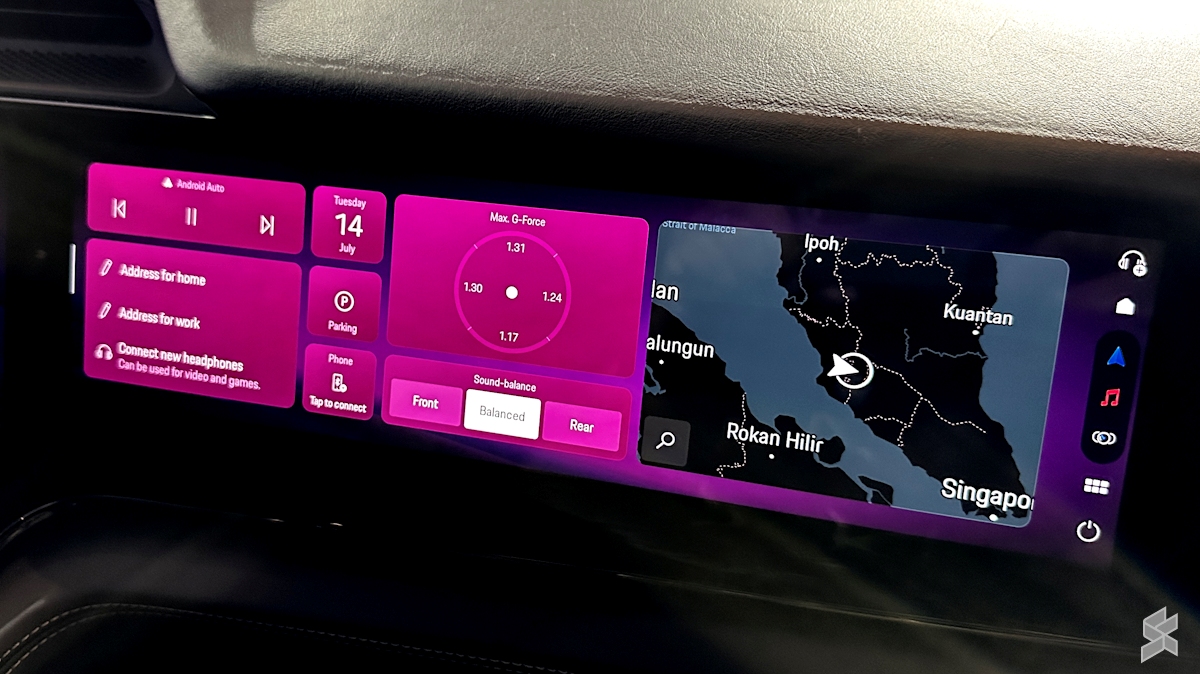
Porsche still provides the Cayenne Electric with manual climate and volume control buttons, located just underneath the Flow Display. At the same time, there’s also the 14.25-inch digital instrument cluster, while customers can choose to fit the EV with the optional 14.9-inch passenger display, which can’t be seen from the driver’s seat.
If you think that there’s still not enough display inside your Cayenne Electric, you can also choose to add a head-up display (HUD) with AR technology. As for the EV’s sound system, the Cayenne Electric base and S variants come standard with a 10-speaker 150W system, while the Cayenne Turbo Electric features a 14-speaker 710W Bose Surround Sound System.
Porsche Cayenne Electric has active aero and more room than ICE-based Cayennes
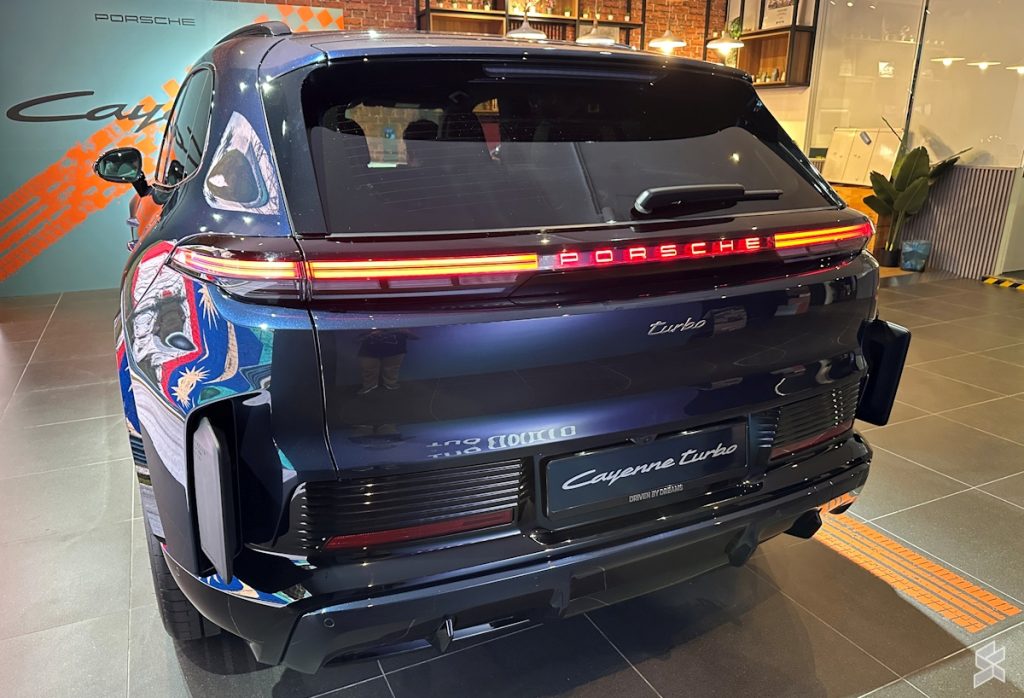
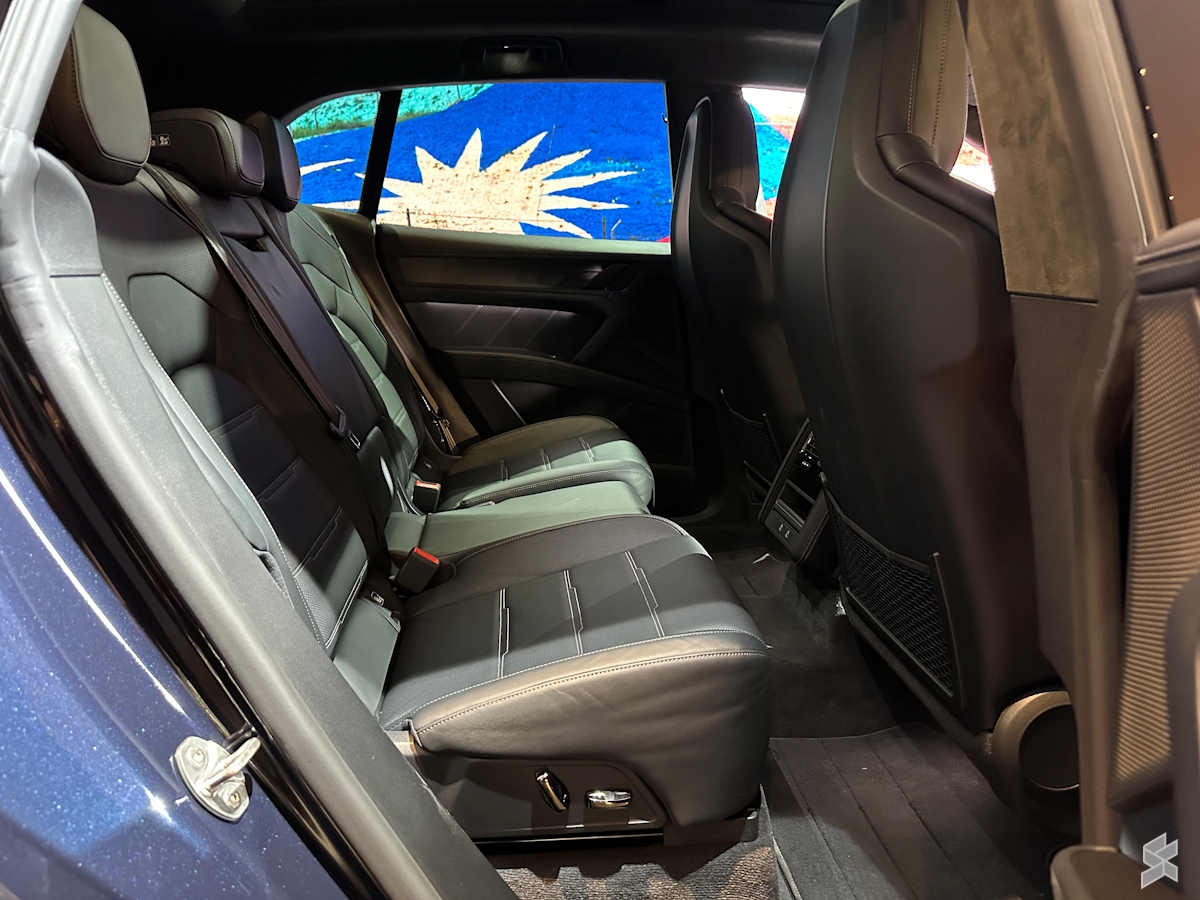
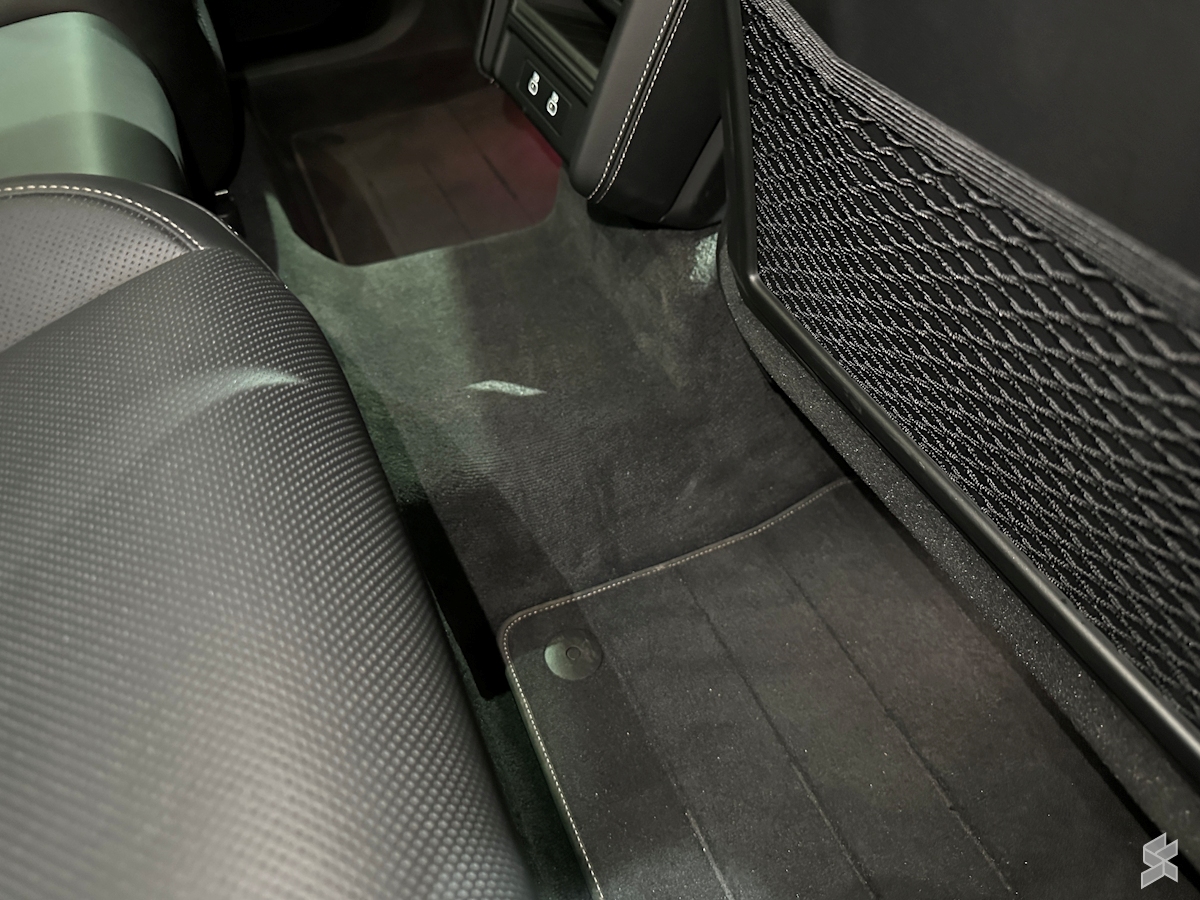
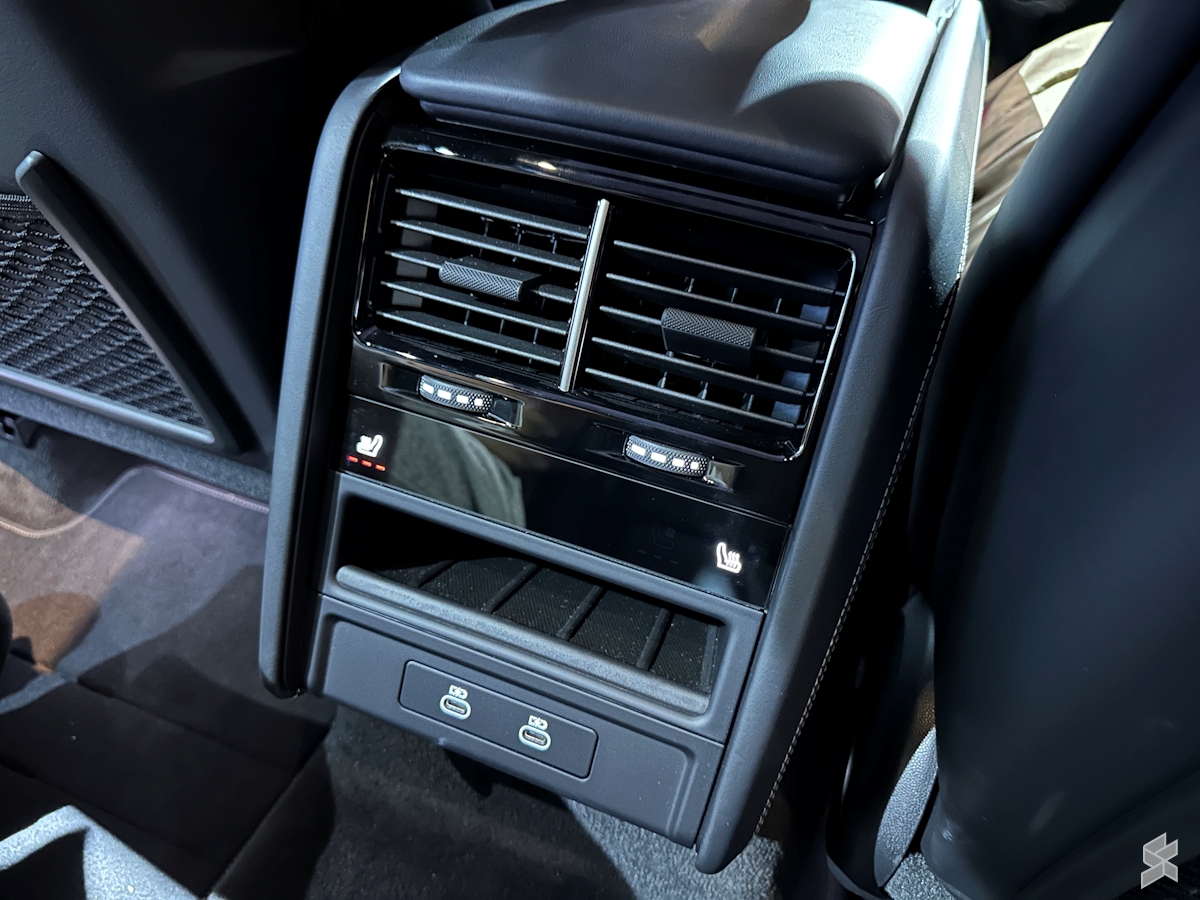
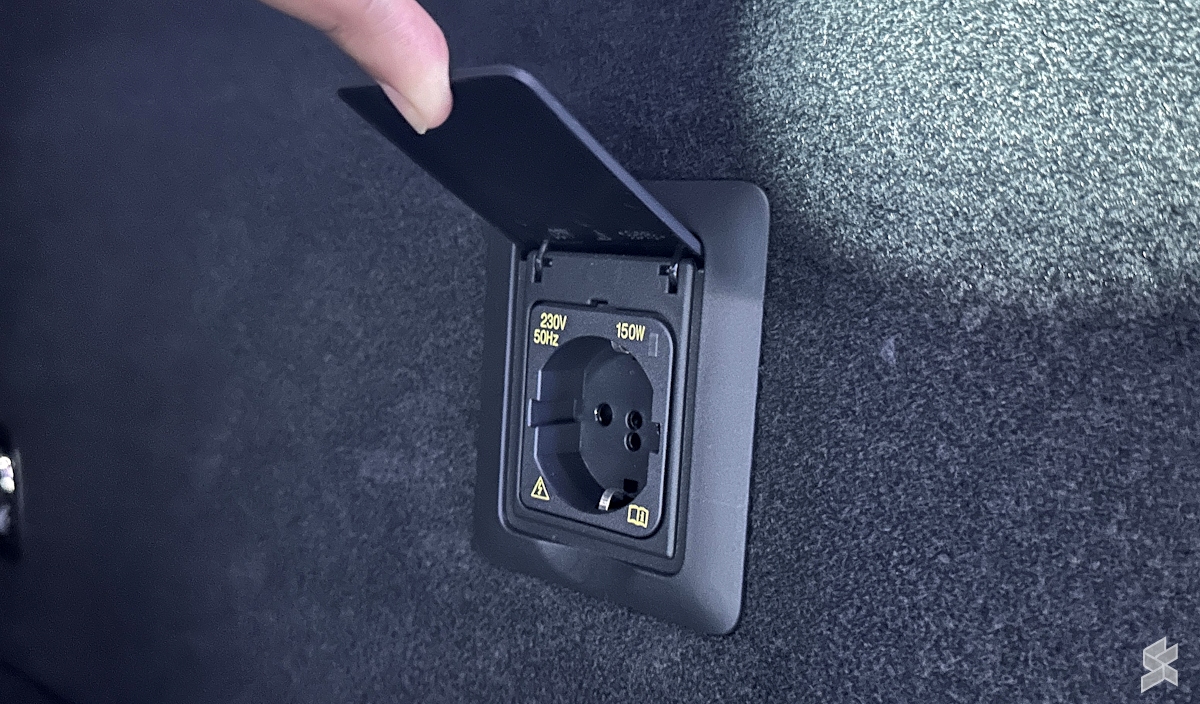
Aside from having powerful performance and cutting-edge charging technology, Porsche also said that the new Cayenne Electric offers more rear legroom and comfort for rear passengers than the ICE-based Cayenne. This is because not only is the electric SUV slightly longer than its ICE counterparts, but it also has a longer wheelbase.
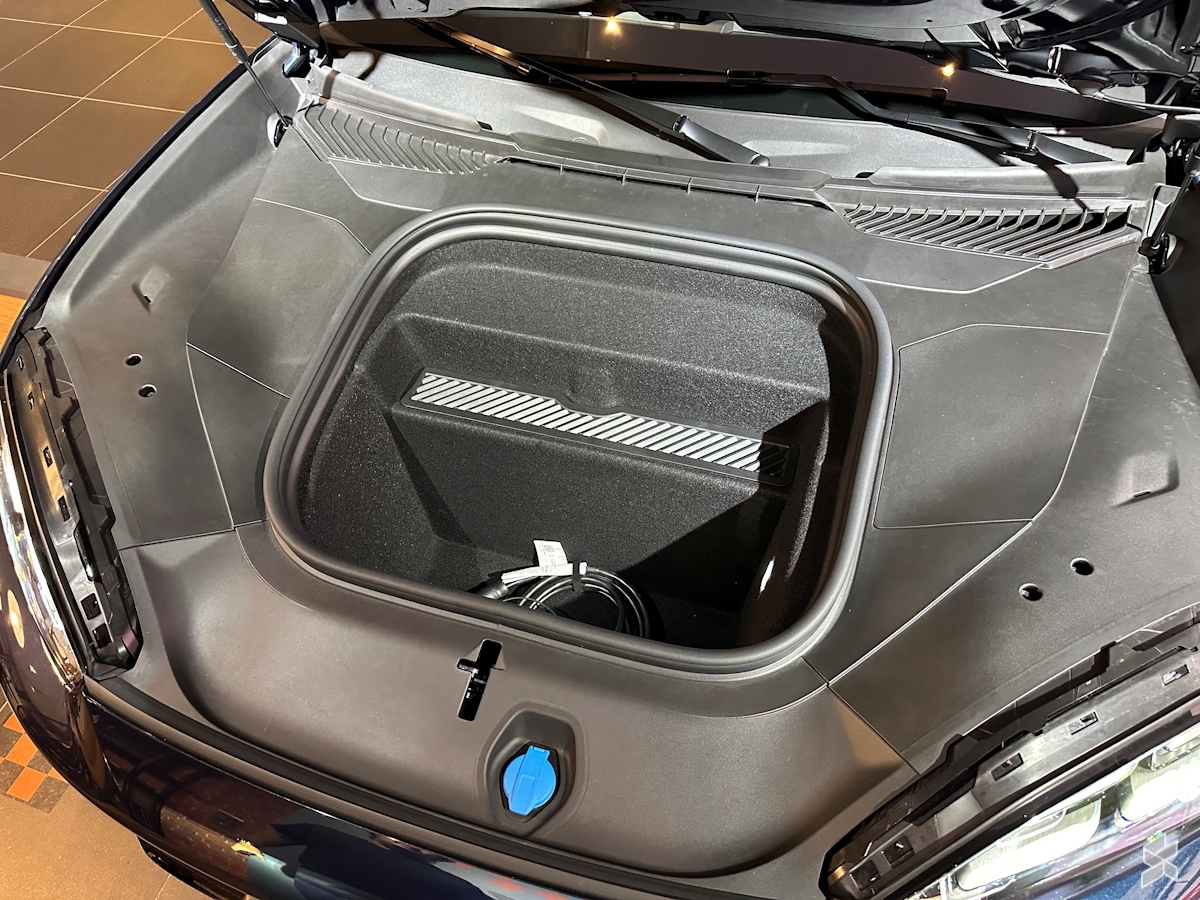
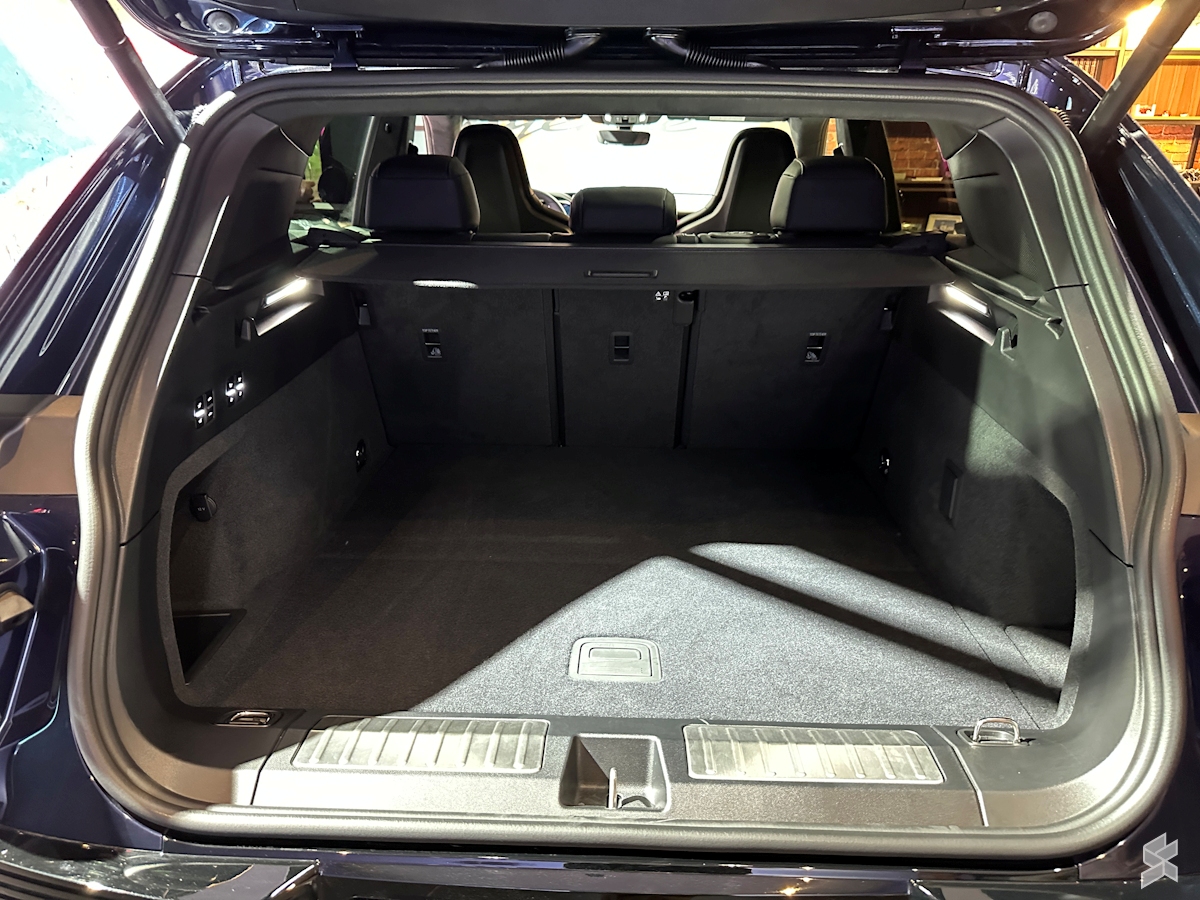
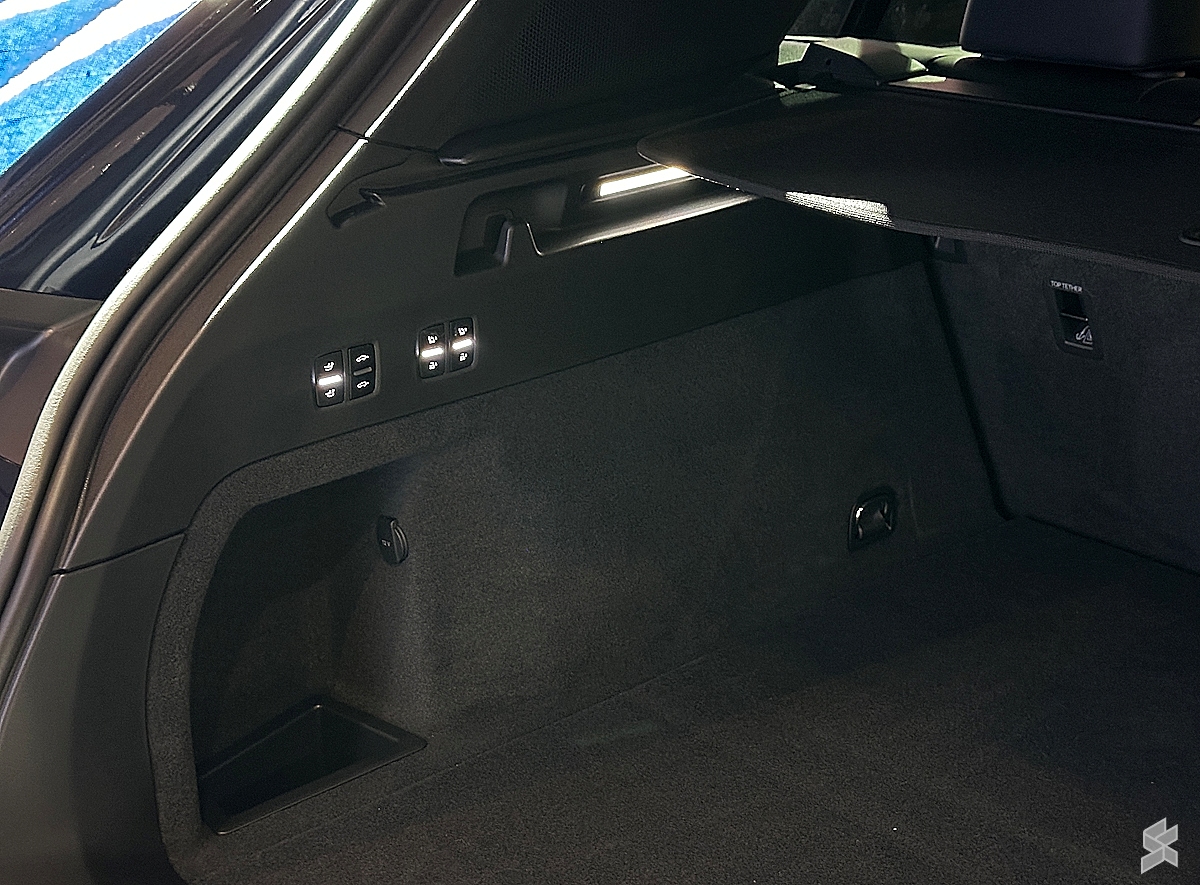
The Cayenne Electric also has a massive boot space of 781L, which can be expanded further to 1588L. Not enough with that, there is also a 90L frunk, and it also has a towing capacity of up to 3.5 tonnes – provided that you have the optional Off-Road package.
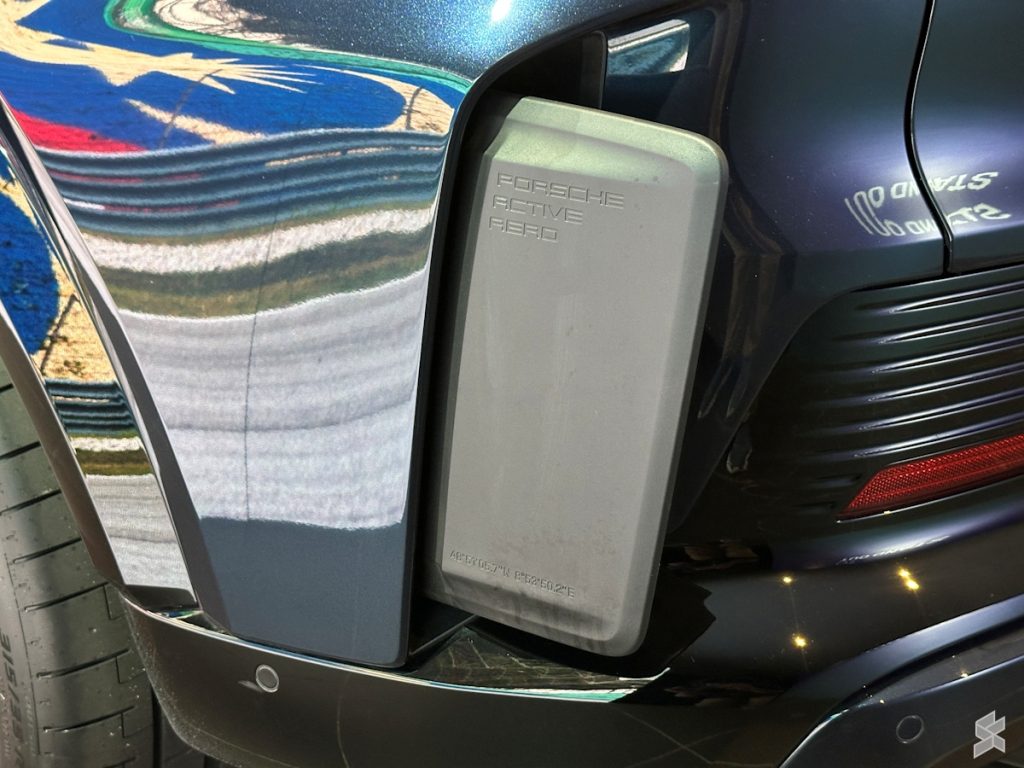
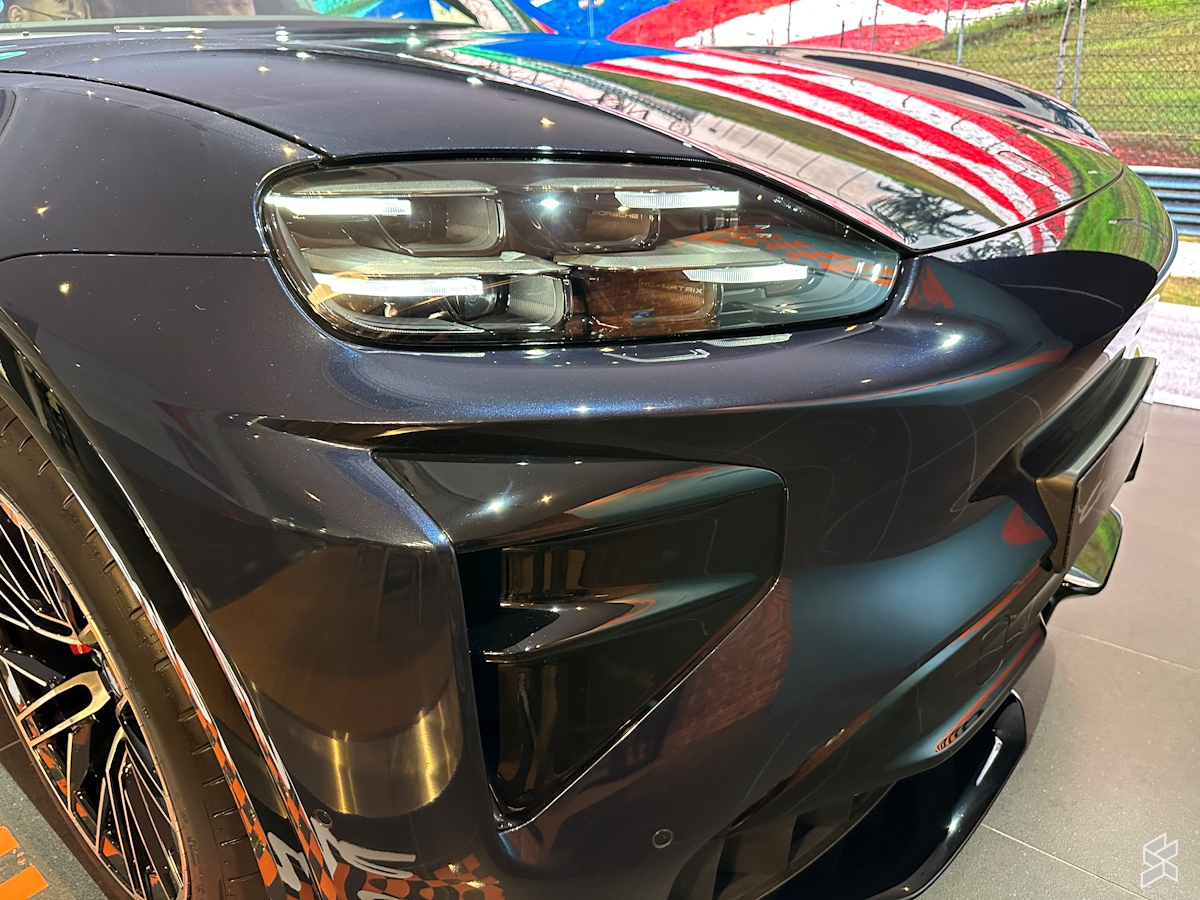
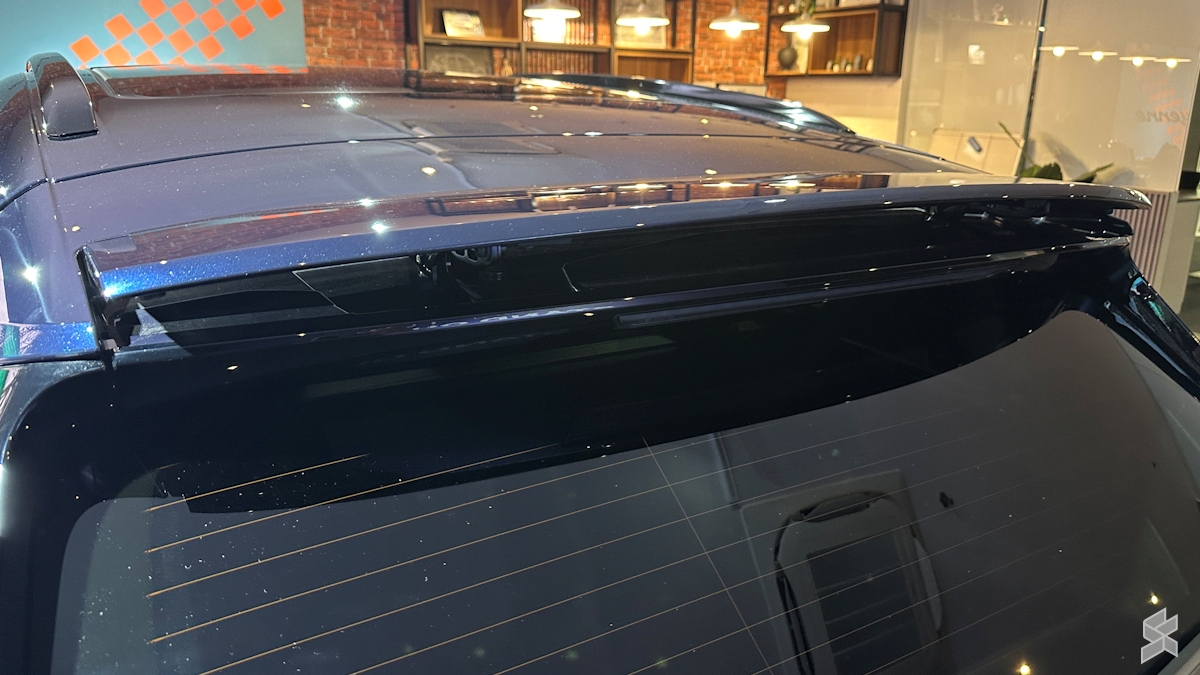
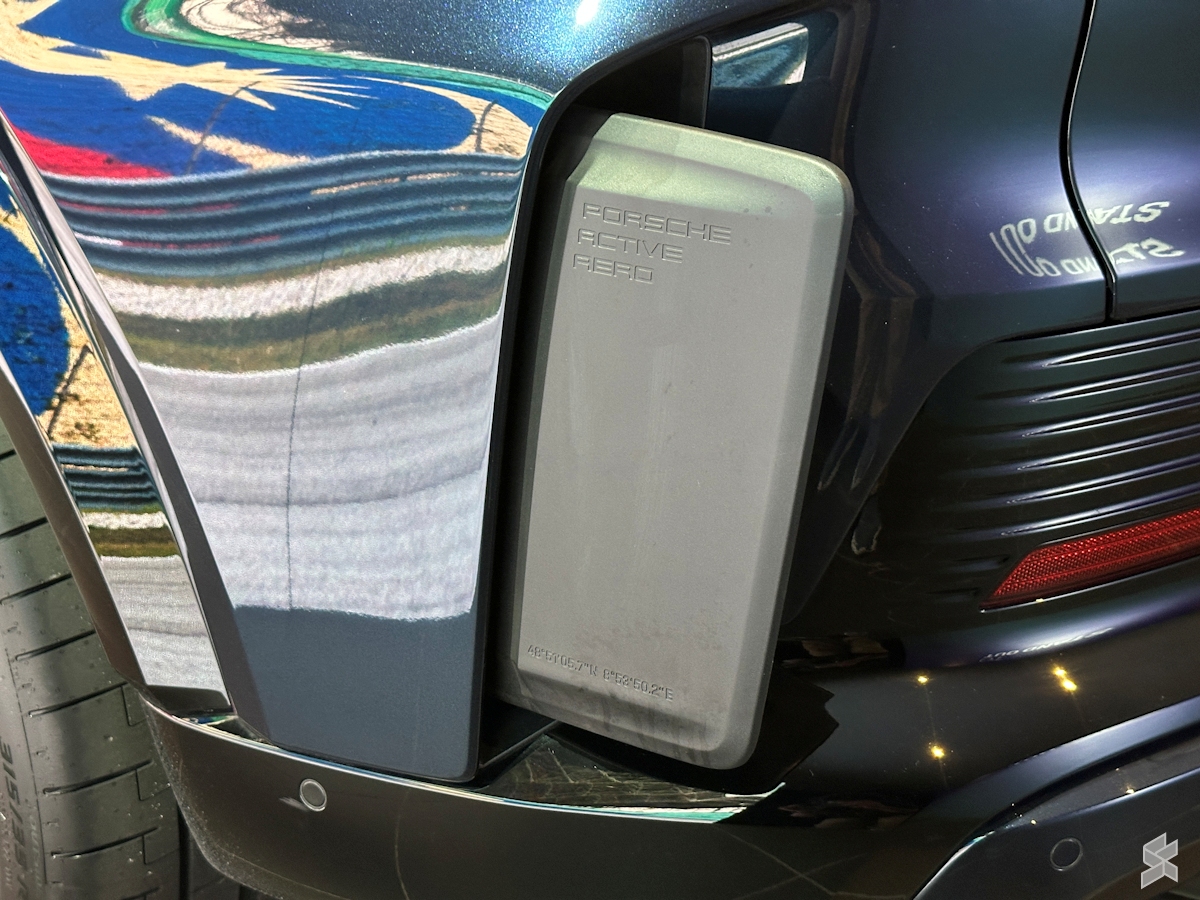
Porsche has also claimed that the Cayenne Electric is one of the most aerodynamic SUVs in its class, boasting a drag coefficient of just 0.25. The SUV has been fitted with the Porsche Active Aerodynamics system that includes elements such as a movable cooling air flap in the nose, an adaptive roof/rear spoiler and, exclusive to Cayenne Turbo Electric variants, the active aeroblades on the rear.
There are also air curtains on its front bodywork together with an almost fully enclosed underbody, aero wheels, and a rear diffuser. Porsche also didn’t forget to highlight that adaptive air suspension with Porsche Active Suspension Management is standard across all Cayenne Electric variants.
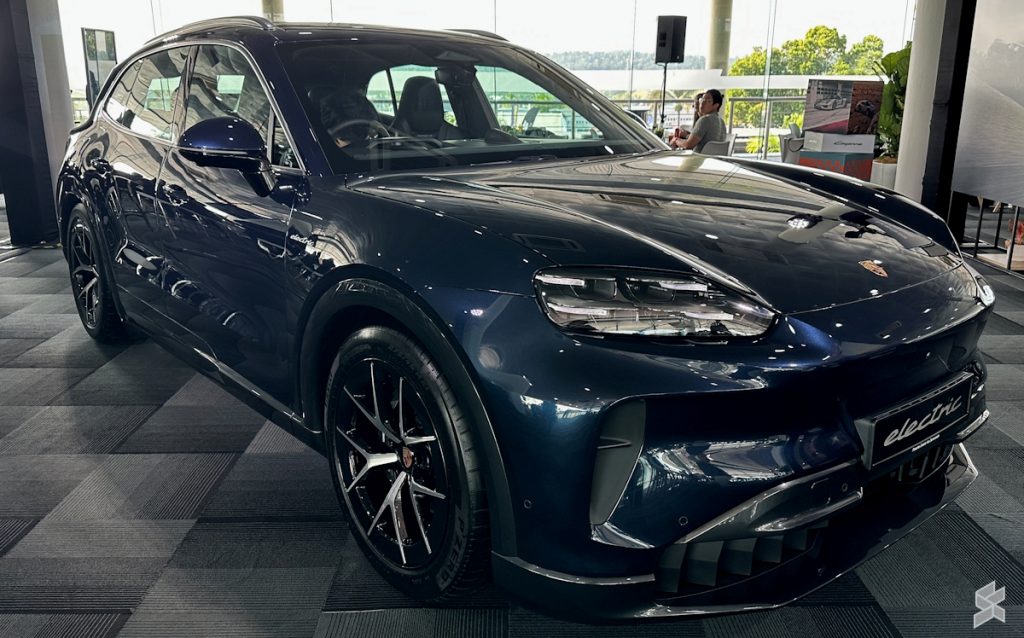
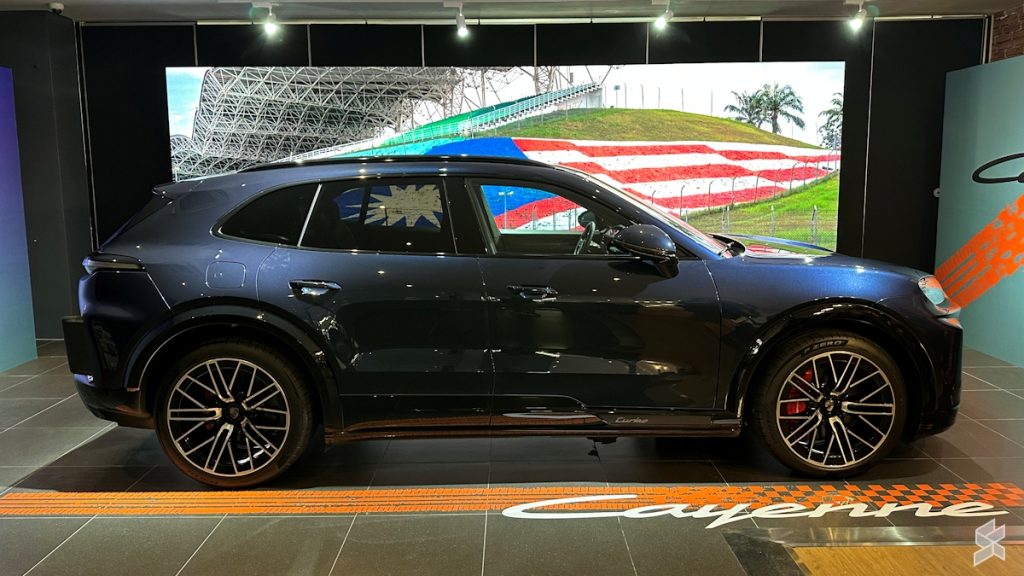
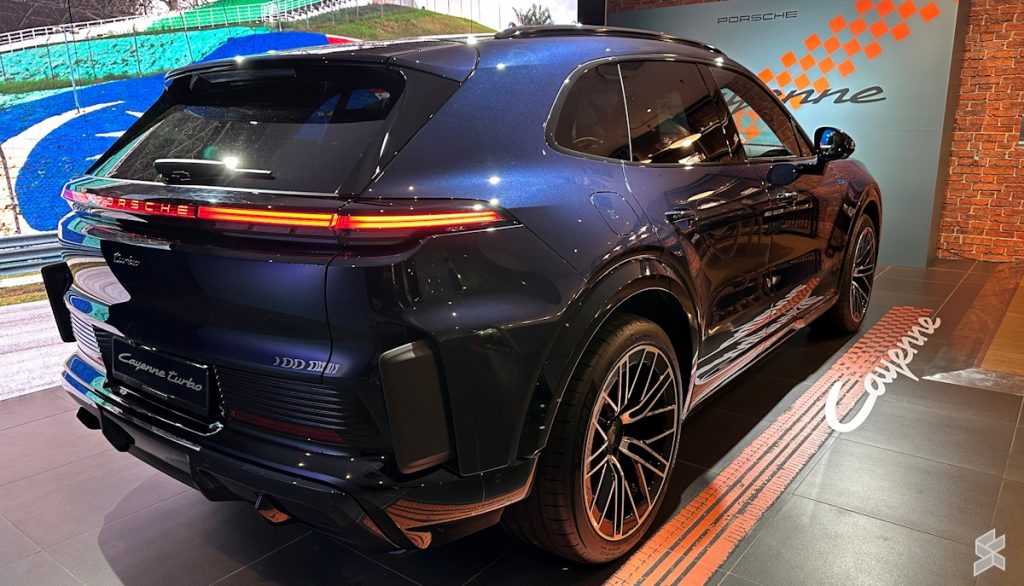
Porsche Cayenne Turbo Electric Image Gallery
Porsche Cayenne Electric now in Malaysia: Up to 1140hp, over 600km of range, priced from RM699k
News Reports PH


0 Comments