
Malaysia may soon conduct trials of Starlink’s Direct-to-Cell (D2C) satellite technology, which aims to extend mobile coverage to areas without existing telco towers.
Communications Minister Fahmi Fadzil revealed that Starlink representatives have informed him of their intention to conduct a Direct-to-Cell trial in Malaysia. The technology is seen as a potential solution to mobile dead zones in rural and underserved areas.
According to Fahmi, the Malaysian Communications and Multimedia Commission (MCMC) has also invited local mobile network operators to explore the technology with Starlink.

If implemented, Direct-to-Cell could provide mobile connectivity in locations without existing telecommunications towers and in areas where building new towers is not economically viable due to the small number of users.
Fahmi added that the satellite-based solution could be deployed much faster and at a lower cost compared to building new telecommunications towers, which typically take between 18 and 24 months to complete.
What is Starlink Direct-to-Cell?
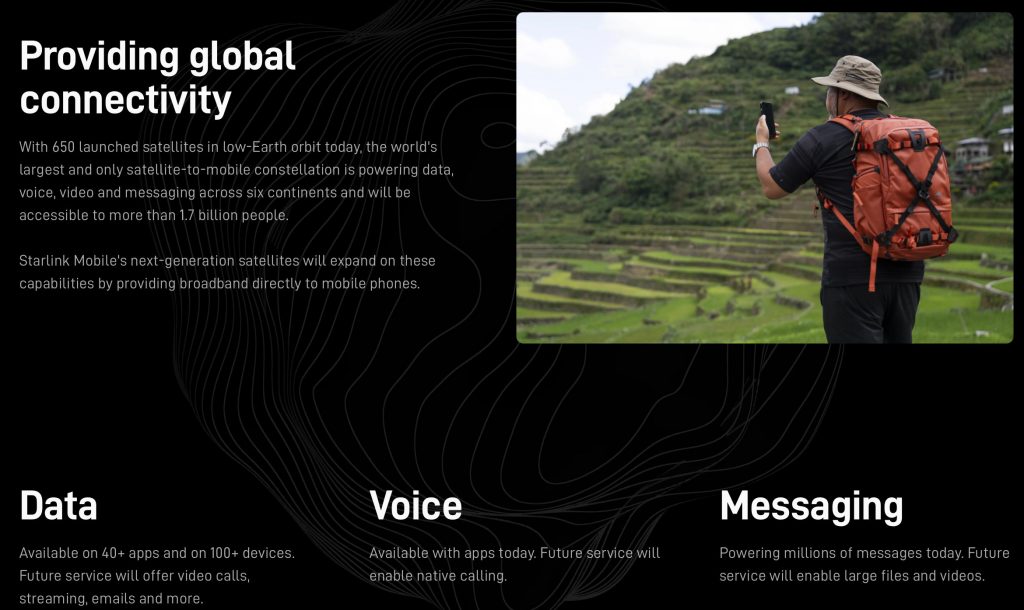
Unlike Starlink’s satellite broadband service that requires a dedicated satellite dish, Starlink Direct-to-Cell works with existing 4G LTE smartphones and doesn’t require any additional hardware or a dedicated satellite phone.
Instead of providing internet directly to a satellite dish, Direct-to-Cell essentially extends your mobile operator’s network from space.
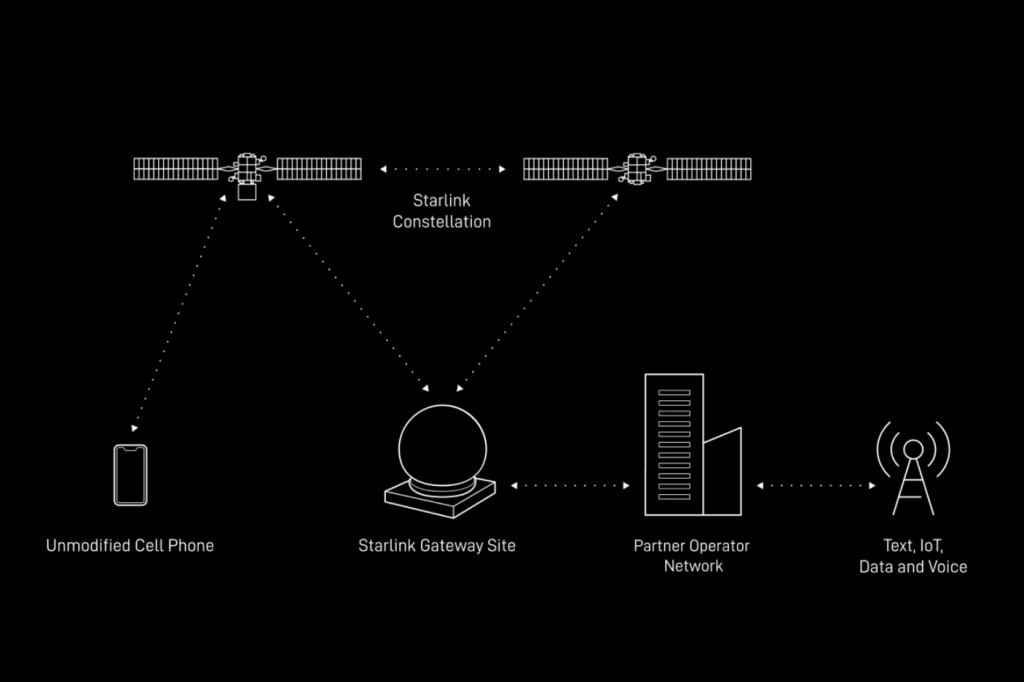
When your phone is outside your telco’s mobile tower coverage, it can connect directly to a Starlink Direct-to-Cell satellite in Low Earth Orbit. The satellite acts like a 4G LTE base station in space and connects back to your mobile operator’s core network using its existing licensed LTE spectrum.
This means users can continue using their existing SIM card, phone number and compatible 4G smartphone, while the mobile operator retains control of the network.

SpaceX has already deployed more than 650 first-generation Direct-to-Cell satellites, forming one of the world’s largest space-based 4G LTE networks designed to extend mobile coverage beyond the reach of terrestrial cell towers.
It’s next generation of Starlink Mobile satellites (V2) aims deliver full cellular coverage with the highest performing satellite-to-mobile network every built. Utilising custom Space-X designed silicon and phased array antennas, the new satellites are designed to support thousands of spatial beams and higher bandwidth, which would enable about 20x the throughput of its current first-generation satellites.
Starlink claims with its V2 connectivity, telcos can invest less in terrestrial networks while enabling seamless service in rural areas and enable total coverage everywhere.
Designed to complement existing mobile networks
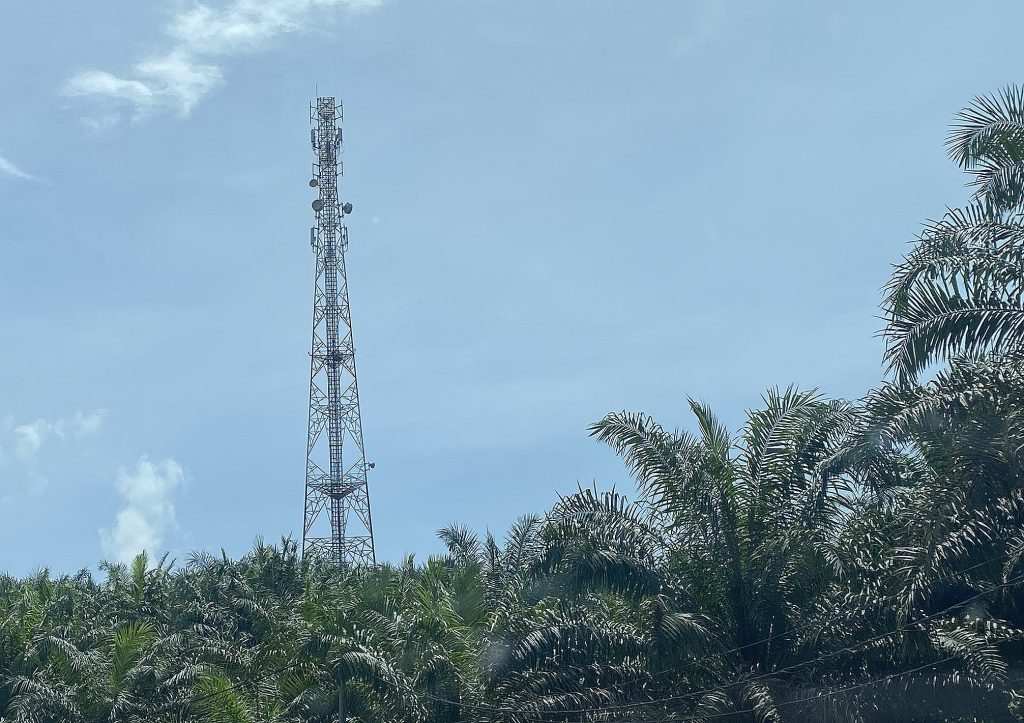
Starlink Direct-to-Cell is not intended to replace existing 4G and 5G networks. Instead, it acts as a complementary coverage layer for areas where deploying conventional telecommunications infrastructure is impractical or too costly.
Since the satellites orbit about 500 to 600km above Earth, users will generally require a clear view of the sky. The service is primarily designed for outdoor connectivity in rural areas, highways, offshore locations. It isn’t designed to provide indoor coverage.
Due to the greater distance between a smartphone and a satellite compared to a conventional 4G or 5G tower, lower LTE frequency bands are generally preferred for better reception.
In Malaysia, Direct-to-Cell would work best with lower-band spectrum such as 900MHz or 1800MHz. It is likely that the actual spectrum used will depend on the participating telco and subject to regulatory approvals.
Of course, users shouldn’t expect the same speeds and latency as a conventional 4G network. Instead, it is intended to provide essential connectivity such as messaging, voice calls, emergency communications and limited mobile data when users are off the grid. This makes it particularly crucial during emergencies, natural disasters or when travelling in remote locations.
Southeast Asia’s first Starlink Direct-to-Cell rollout in the Philippines
In our region, Globe Telecom is the first telco in Southeast Asia to roll out Starlink Direct-to-Cell services in the Philippines. The feature is available on both prepaid and postpaid plans which start from PHP99 (RM6.60) for a 2GB plan with 100 satellite text to all networks, valid for 30 days.
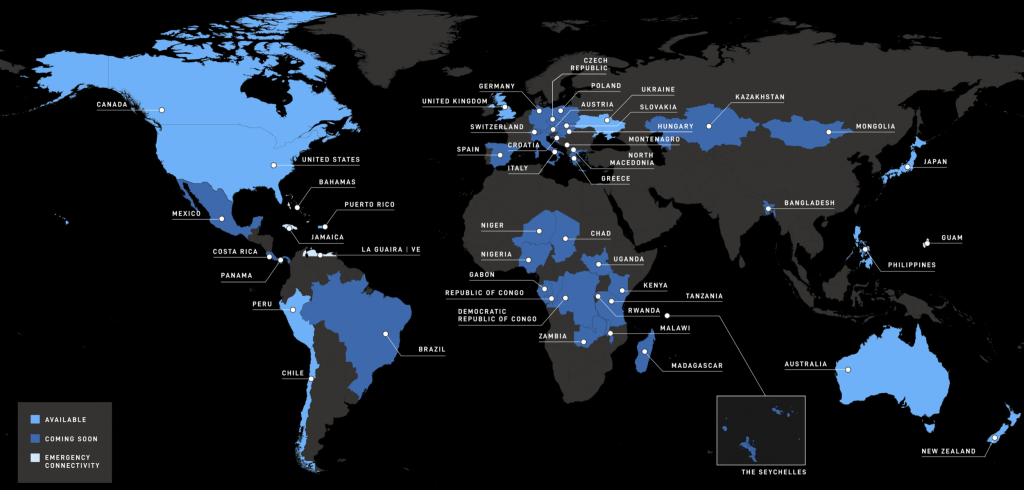
The service is aimed at extending mobile coverage to remote islands and underserved communities where deploying mobile infrastructure is difficult or uneconomical. Similar partnerships have also been announced in countries including the United States, New Zealand, Australia, Canada and Japan.
According to a recent Ookla analysis, Direct-to-Cell adoption is gaining momentum across the Asia-Pacific region, with the Philippines accounting for the largest share of detected Starlink Direct-to-Cell users among APAC markets monitored during the second quarter of 2026.
If Starlink’s proposed trial proceeds, our local telcos could tap on the satellite technology to extend mobile coverage to underserved and unserved rural areas, remote highways and offshore locations.
[ SOURCE 2 , IMAGE SOURCE ]
Starlink to trial Direct-to-Cell in Malaysia: Works with normal 4G phones, no satellite phone required
News Reports PH


0 Comments