
The Malaysian Highway Authority (LLM) has clarified that its TuJu application was never built to rival Waze, but was instead developed to bolster operations along tolled highways.
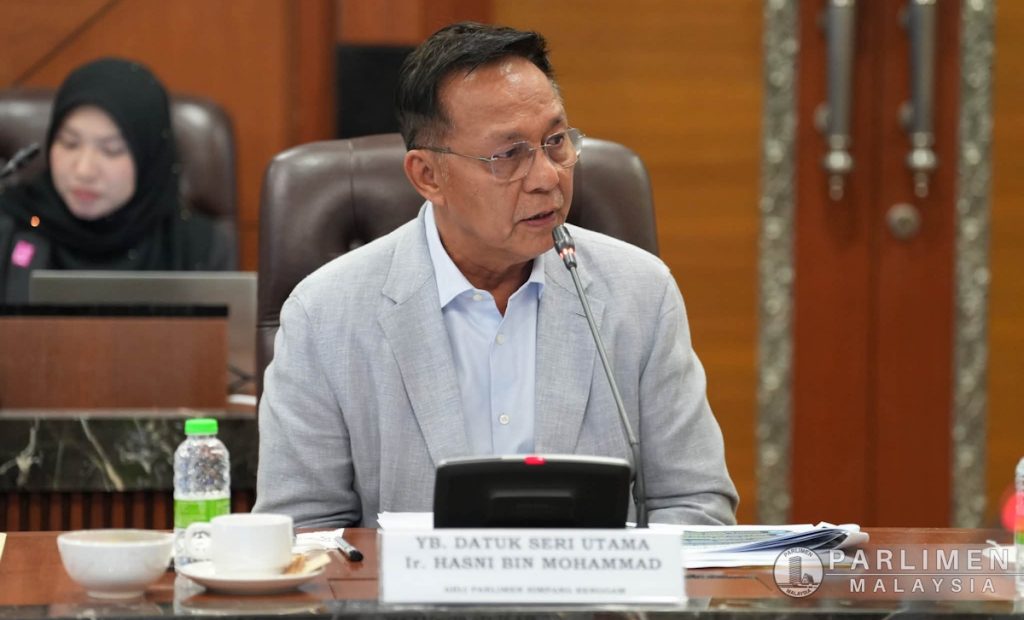
Speaking in an interview with Malaysiakini, LLM Chairperson Datuk Seri Utama Ir. Hasni Mohammad explained that the platform’s core objective is to support the agency’s Traffic Management Centre by providing real-time highway conditions, toll exit details, rest stop locations, enforcement camera alerts, and emergency contact channels for stranded motorists.
Clarification follows nationwide push and sub-par experience
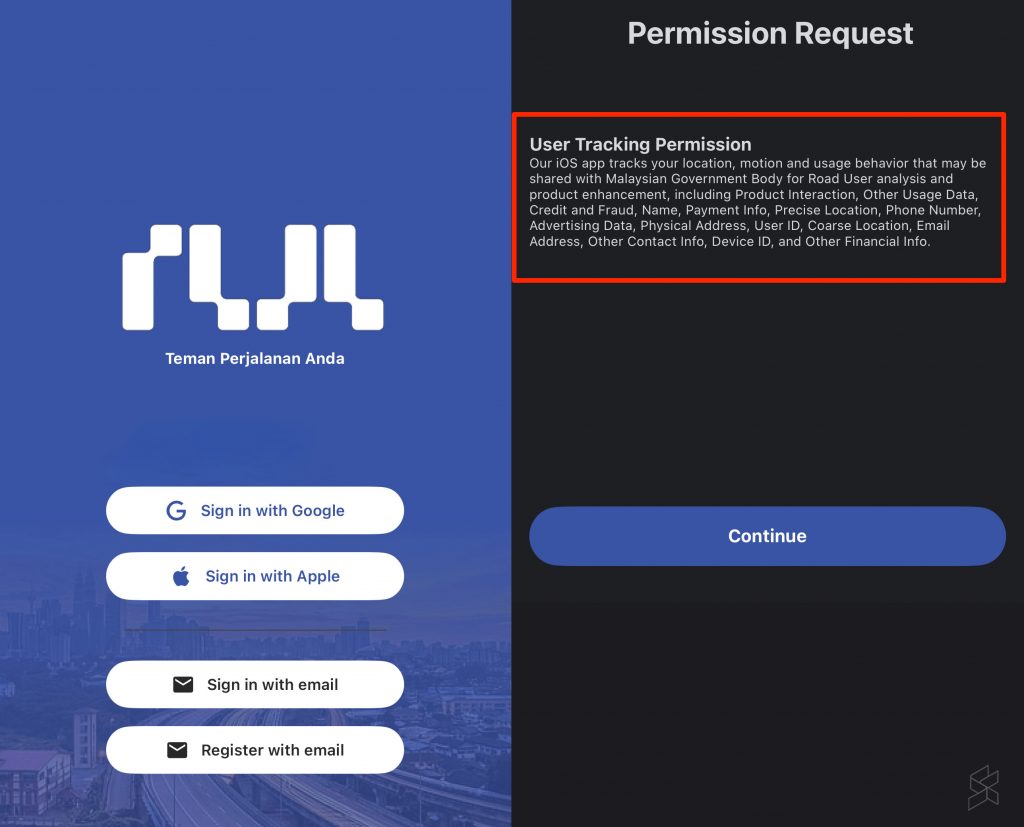
The clarification addresses growing public scrutiny following Prime Minister Dato’ Seri Anwar Ibrahim’s call for Malaysians and civil servants to pivot from Waze to TuJu due to national security and data privacy concerns linked to Waze’s Israeli ties.
The Malaysian government has since banned civil servants from using Waze, and any personnel who fail to comply with the directive will face disciplinary action.
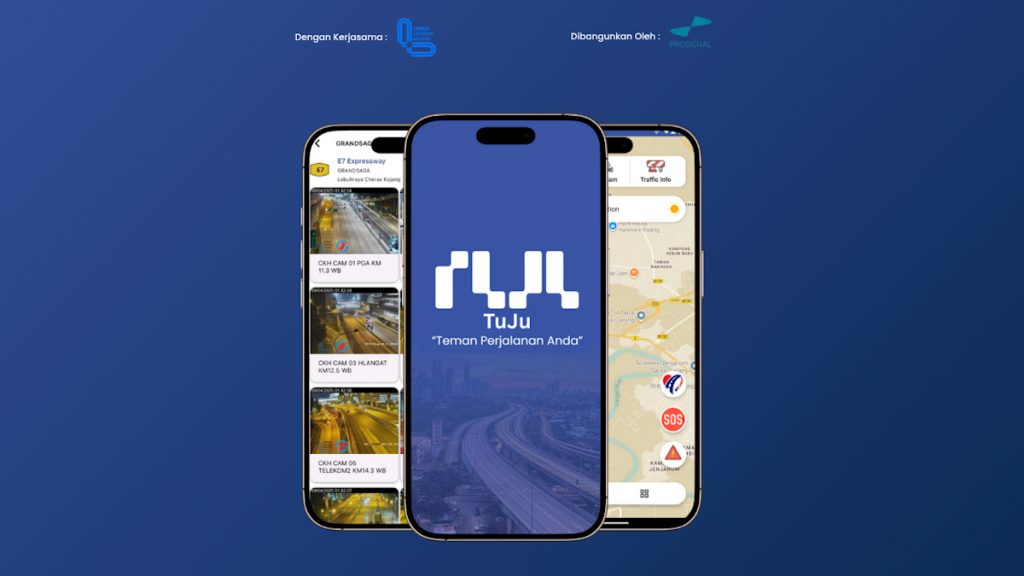
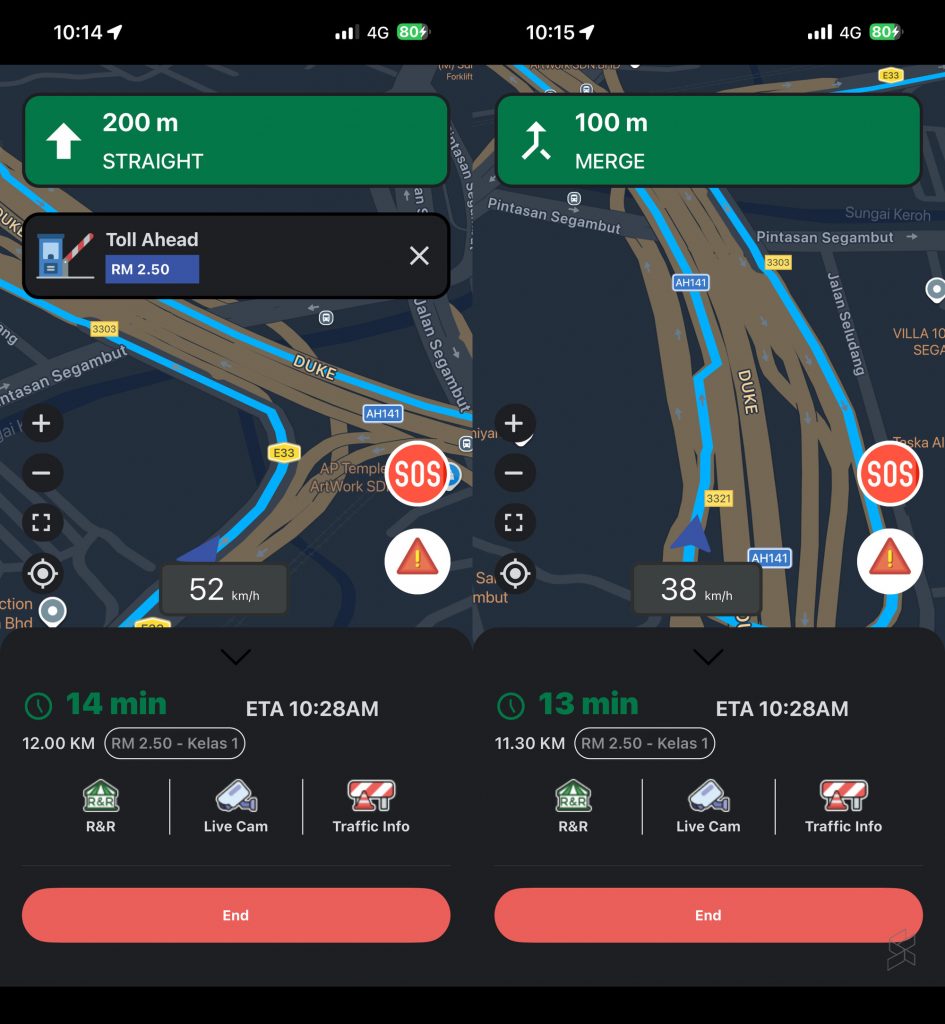
However, TuJu proved to be a sub-par navigation app according to our own test and widespread user reports on social media. The massive amount of criticism has led to developer Prosignal Consortium Sdn Bhd (PCSB) shutting down the app’s navigation feature to perform corrective work that may last up till 6 November 2026.
The backlash eventually forced Anwar to publicly admit that TuJu is not up to par. At the same time, Communications Minister Fahmi Fadzil and Digital Minister Gobind Singh Deo had to step in to clarify that TuJu is not mandatory and that drivers can still use alternative navigation tools, including Google Maps.
While the prime minister has since directed LLM to upgrade TuJu, Hasni stressed that LLM’s mandate covers only tolled expressways, noting that any broader expansion to federal, municipal, or rural routes remains a distant possibility—depending on funding and technical capacity.
Concerns over the NSC briefing
In the interview, Hasni also voiced concern regarding how TuJu had been framed during the briefing to the National Security Council (NSC) on 20 October, which he did not attend.
Emphasising the difference between national security mandates and LLM’s focus on road safety and breakdown assistance, he stated that any misleading impressions conveyed to the NSC by LLM or developer PCSB should be taken seriously. He added that LLM will formally answer the Cabinet’s request for explanations regarding the app’s technical faults.
Why was the project awarded directly to PCSB?
Addressing governance scrutiny over the project’s award to Prosignal without an open tender, Hasni defended the arrangement, explaining that the platform is privately financed through investor capital and loans rather than public funds.
He dismissed allegations of improper political influence surrounding former LLM chairperson and current Selat Klang assemblyperson (ADUN) Datuk Abdul Rashid Asari—who initiated the tie-up in May 2022 before Hasni took over—maintaining that the agreement was collectively sanctioned by LLM’s board rather than decided unilaterally.
While Hasni noted that TuJu’s current financial returns remain subject to ROI projections, he did not entirely rule out future LLM financial commitments if required by upcoming upgrade plans.
LLM: TuJu was never meant to replace Waze
News Reports PH


0 Comments