
Prime Minister and Finance Minister Datuk Seri Anwar Ibrahim presented Budget 2027 in Parliament on Friday, 9 October 2026.
The RM510 billion national budget focuses on boosting household income, managing government spending better, and helping local businesses adopt new technologies.
Major highlights for tech and corporate sectors include a RM30 million MDEC fund to help small and medium businesses adopt artificial intelligence, a RM160 million support package for gig workers, ongoing internet connectivity upgrades under JENDELA, income tax cuts, and a higher minimum wage of RM2,000 a month.
Reactions from major companies in the tech, automotive, banking, satellite, and e-commerce industries have been positive. Industry leaders have shared their thoughts on government plans for AI adoption, job training, gig worker welfare, and national infrastructure.
Microsoft Malaysia: Translating national AI strategy into business productivity

Laurence Si, Managing Director of Microsoft Malaysia, welcomed the strong focus on artificial intelligence, stating that building a solid digital economy requires reliable tech systems alongside training for everyday workers.
Addressing the national trajectory, Si stated:
Budget 2027 sends a clear signal that Malaysia is serious about turning its AI Nation 2030 ambition into reality. We welcome the Government’s continued focus on building the foundations of a competitive and inclusive AI economy, from providing businesses with support as they adopt AI, to investments in digital infrastructure and building AI-ready talents.
Highlighting MDEC’s RM30 million fund to help 4,000 small and medium enterprises adopt AI, Si noted that real success will happen when local companies use these tools to save time, launch new products, and grow overseas.
The next phase of Malaysia’s AI journey will be about translating AI adoption into meaningful outcomes for businesses, people, and communities. Our collective success will depend not only on access to technology, but also on continued investment in trusted infrastructure, capability building, and responsible innovation that enable organizations to create lasting economic and societal value.
Grab Malaysia: Cofunding RM160 million package for gig worker earnings
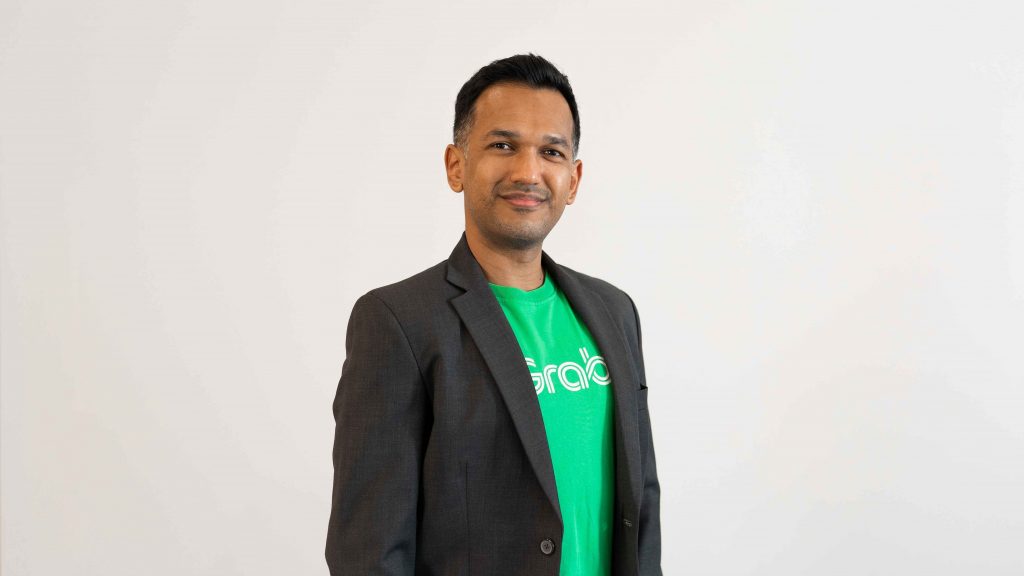
Grab Malaysia is putting up funds alongside the government in a RM160 million plan to help ride hailing drivers and delivery riders earn more money and pay less for everyday work expenses. Average monthly earnings after costs are set to go up by as much as RM227 for drivers and RM100 for delivery riders.
Executive Director of Grab Malaysia, Rashid Shukor, stated:
Improving the livelihoods of our driver and delivery-partners has always been an important priority for Grab. We understand that every ringgit matters, whether it comes from additional earning opportunities or savings on the everyday costs of working. In collaboration with the Government, we are taking the lead in the industry to advance measures that can make a meaningful difference to our partners, while building a stronger and more sustainable gig economy.
The cofunded plan introduces a guaranteed baseline pay rate starting in 2027, discounts on engine oil and car servicing that lower maintenance costs by up to 35%, cash incentives that lower insurance costs by up to 25% for safe drivers, and subsidised PERKESO social security coverage.
Grab is also working with the government on discounted public transport connection passes in the Klang Valley to help drivers get more trip requests.
CARSOME: Automotive competitiveness requires productivity and ecosystem support
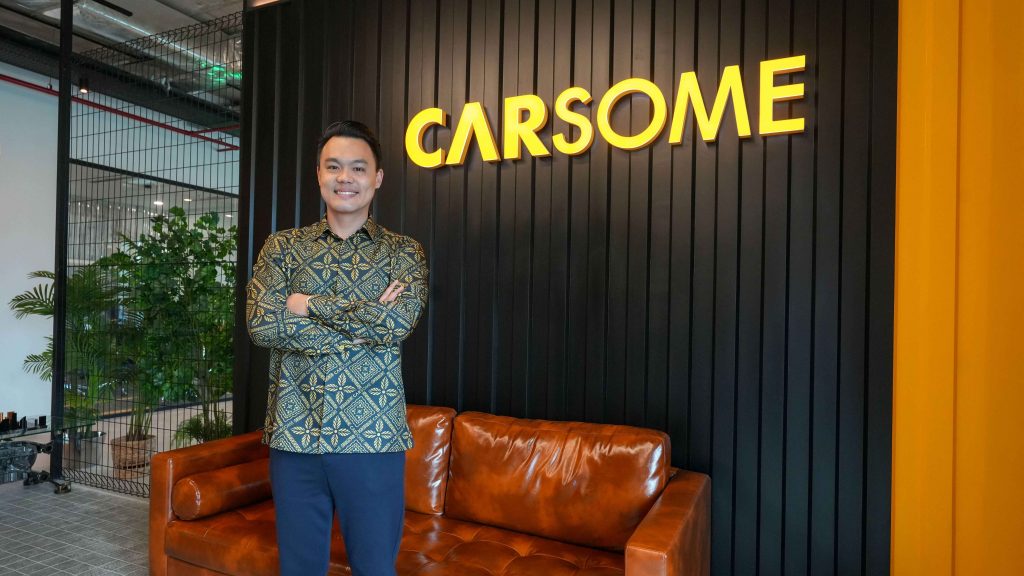
Aaron Kee, Chief Business Officer at CARSOME Group, pointed out that while car factory projects like the Automotive Hi-Tech Valley in Tanjong Malim create jobs, long term industry success depends on making car ownership affordable and giving workers proper skills.
Commenting on the budget direction, Kee stated:
CARSOME welcomes Budget 2027 and its commitment to raising incomes and strengthening Malaysia’s automotive industry. The real test will be how effectively these measures build competitive businesses, develop talent and make mobility more accessible to Malaysians.
Kee explained that higher pay under the new RM2,000 minimum wage needs to be matched by higher work output through hands on vocational training.
He also stressed that total car ownership costs include insurance, interest rates, and repairs, where reliable pre owned cars offer a practical option for everyday buyers.
Budget 2027 gives Malaysia’s automotive ambitions a strong foundation. Industrial investment can build capacity, but long-term competitiveness depends on how effectively that capacity translates into skilled jobs, sustainable businesses and accessible mobility. Getting there will take closer collaboration between government and industry: training shaped by what employers need, policy that recognises the full automotive ecosystem, and a market that gives Malaysians confidence in the vehicles they buy.
PIKOM: Practical execution needed alongside unresolved policy priorities

PIKOM, the trade association representing Malaysia’s tech industry, praised government plans like the SME AI fund, 100,000 free AI account subscriptions for students, the creation of a local Sovereign AI Cloud, and investment funds for tech startups.
PIKOM Chairman, Adjunct Professor Alex Liew, emphasised the need for clear implementation:
The test of Budget 2027 is how effectively its measures help businesses grow and Malaysians participate in the digital economy. We welcome the direction and encourage clear implementation timelines, accessible support and measurable outcomes.
While backing nationwide internet upgrades under JENDELA and corporate tax cuts, Liew noted that several key requests from tech firms are still being reviewed.
PIKOM welcomes the announcements. However, several proposals we submitted for consideration in our Budget 2027 memorandum have yet to be specifically addressed in the speech. These include a time-bound moratorium and review of USP contributions for qualifying Cloud Service Providers, faster processing of eligible service-tax refunds for digital services, and a controlled ICT procurement price-adjustment mechanism for exceptional component price movements. We will continue engaging the Government on these outstanding priorities to improve business cash flow and competitiveness.
CIMB Group: Structural fiscal reforms driving long term economic upgrading

Novan Amirudin, Chief Executive Officer of CIMB Group, praised the government’s balanced approach, explaining that smart spending cuts and tax reforms build a stable economy that gives investors and lenders confidence.
Evaluating the policy stance, Amirudin stated:
Malaysia’s MADANI journey reflects a deliberate shift towards balancing short-term support with long-term sustainability, anchored on the principle that fiscal responsibility and common prosperity must go hand in hand. The reform agenda seeks both to raise the ceiling and raise the floor: raising the ceiling by strengthening Malaysia’s competitiveness, attracting quality investments, fostering innovation and accelerating economic upgrading; and raising the floor by ensuring that growth translates into better opportunities, stronger social protection and improved living standards for all Malaysians.
Amirudin added that reducing government waste and reforming subsidies allow banks to direct funding into essential areas like green energy, factory upgrades, and affordable financial tools for everyday Malaysians.
MEASAT: Expanding sovereign satellite infrastructure and rural connectivity
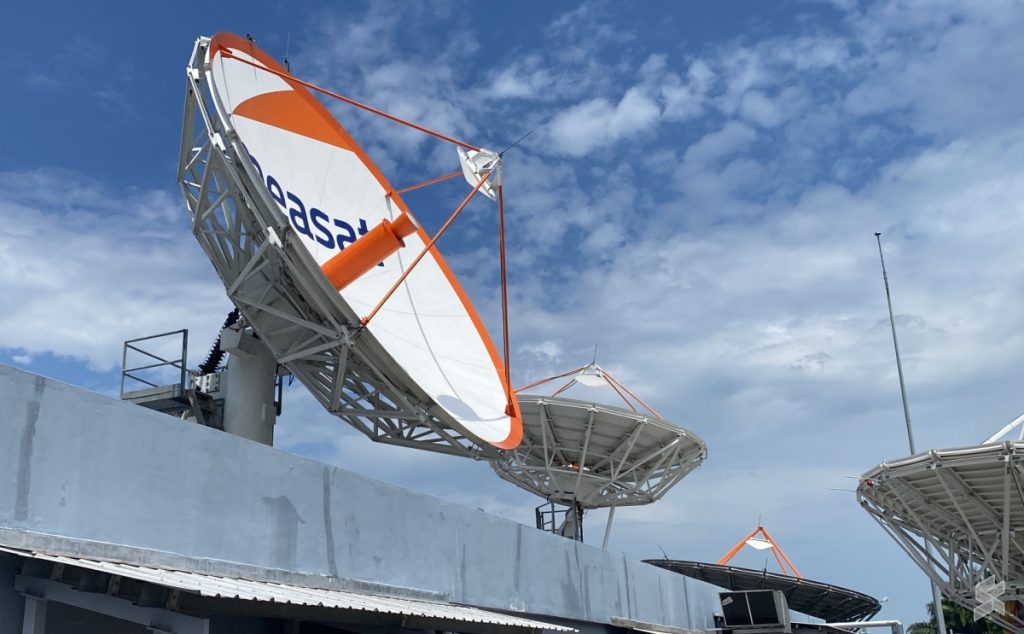
Yau Chyong Lim, Chief Operating Officer of MEASAT, welcomed funding for local satellite tech, research programmes, and internet connectivity for rural villages.
Detailing the role of satellite connectivity, Lim stated:
MEASAT welcomes Malaysia’s Budget 2027 and its emphasis on sovereign digital infrastructure, innovation, skills development and inclusive connectivity. These priorities will strengthen national resilience, expand access to essential services and support Malaysia’s ambition to build a competitive SpaceTech economy.
Lim pointed to the proposed Sovereign AI Cloud and vocational training funds as key steps to build local tech talent.
MEASAT currently uses its CONNECTme satellite platform to bring broadband internet to over 500,000 rural residents, supporting online healthcare and helping Malaysia reach its target of a RM10 billion space economy by 2030.
Lazada Malaysia: Boosting shopper trust and backing local sellers under new E-Commerce Bill

Khairil Ahmad, Vice President of Government Affairs and Public Policy at Lazada Malaysia, welcomed the upcoming E-Commerce Bill and government support for local entrepreneurs, explaining that protecting consumers builds the trust needed for digital shopping to grow.
He stated:
Budget 2027 gets an important priority right: consumer protection is not a bottleneck for eCommerce growth. It is the engine. When shoppers trust what they buy, businesses have a stronger foundation to grow.
Addressing the proposed E-Commerce Bill to be tabled in Parliament, Ahmad noted that setting clear, equal rules for all online platforms helps honest local sellers compete while protecting online buyers.
We welcome the announcement that a new eCommerce Bill will be tabled at the next parliamentary sitting. It offers an opportunity to strengthen consistent standards across the industry. At Lazada, seller verification, measures against counterfeit products, clear returns and refunds, and responsible platform governance are already part of how we operate. Consistently applied standards protect shoppers and help responsible local sellers compete on quality, service and value. As Malaysians navigate cost-of-living pressures, affordable shopping must also be dependable shopping.
Ahmad also highlighted the RM10 million JOM MALAYSIA allocation to help local brands sell online, where Lazada works with KPDN to provide marketing, payments, and delivery support, as well as the RM142 million NADI funding which Lazada complements through seller training tools like Lazada University.
Malaysia’s tech, automotive and finance industries react to Belanjawan MADANI
News Reports PH


0 Comments