
The Malaysian EV Owners Club (MYEVOC) has responded to recent calls by the Federation of Malaysian Consumers Associations (FOMCA) for tougher safety regulations for EV charging stations in Malaysia.
According to MYEVOC, Malaysia already has strict regulations governing the installation of EV chargers and the bigger issue is non-compliance, unlicensed installations and weak enforcement.
Instead of introducing more red tapes, the EV owners club is calling for stricter enforcement of existing laws as well as greater transparency in the investigation of fire incidents allegedly involving EVs and EV chargers.
FOMCA calls for tougher EV charging safety regulations

As reported by The Star, FOMCA CEO Dr Saravanan Thambirajah has called for stricter safety requirements for EV charging facilities, particularly at condominiums, shopping malls and enclosed car parks.
In a joint statement with the Water and Energy Consumer Association of Malaysia (WECAM), FOMCA raised concerns about the readiness of older high-rise buildings to accommodate EV charging infrastructure, as well as the challenges of dealing with EV battery fires in confined spaces.
Among the concerns raised include ventilation, smoke extraction, access for firefighters and evacuation procedures.
To highlight the potential risks, FOMCA cited several fire incidents, including a house fire in Alam Damai, Cheras, which reportedly involved an EV being charged, as well as a fire at an EV battery storage facility in Jelutong, Penang. Another quoted example is an EV-related fire at a showroom in Johor Bahru.
While FOMCA isn’t calling for an outright ban on indoor EV charging, it wants a comprehensive review of existing charging facilities, mandatory safety assessments and regular inspections. It also called for stronger enforcement against unauthorised installations and unqualified contractors.
MYEVOC: Malaysia already has strict regulations for EV charger installations
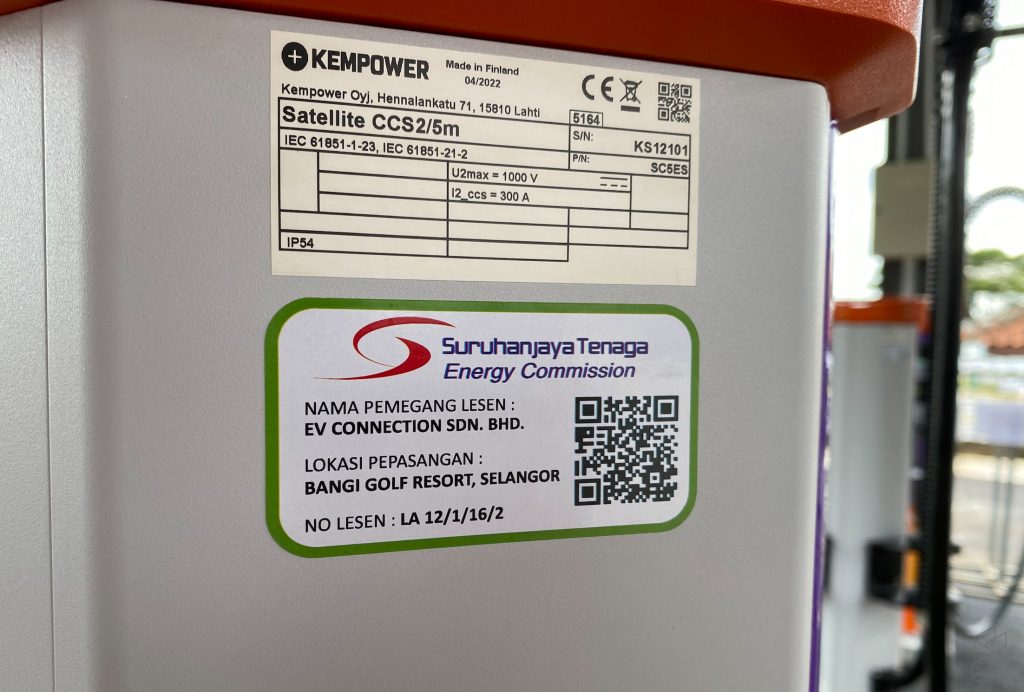
In a statement issued yesterday, MYEVOC highlighted that Malaysia already has strict safeguards under the Electricity Supply Act 1990, Electricity Regulations 1994 and the Energy Commission’s (ST) Guidelines on Electric Vehicle Charging System (EVCS).
According to MYEVOC, these existing regulations require the following:
- Only approved EV charging equipment with ST Certificate of Approval or release letter can be sold or installed. Unsafe Mode 1 charging is prohibited.
- All EV charger Installation works must be carried out by ST-registered electrical contractors (Form Q) and licensed competent persons such as wiremen or chargemen.
- Installations must undergo maximum demand load assessments and have dedicated cabling and residual current protection.
- Installations must have the necessary sign off with Form G (Certificate of Completion) and Form H (Certificate of Test) before the charger is energised.
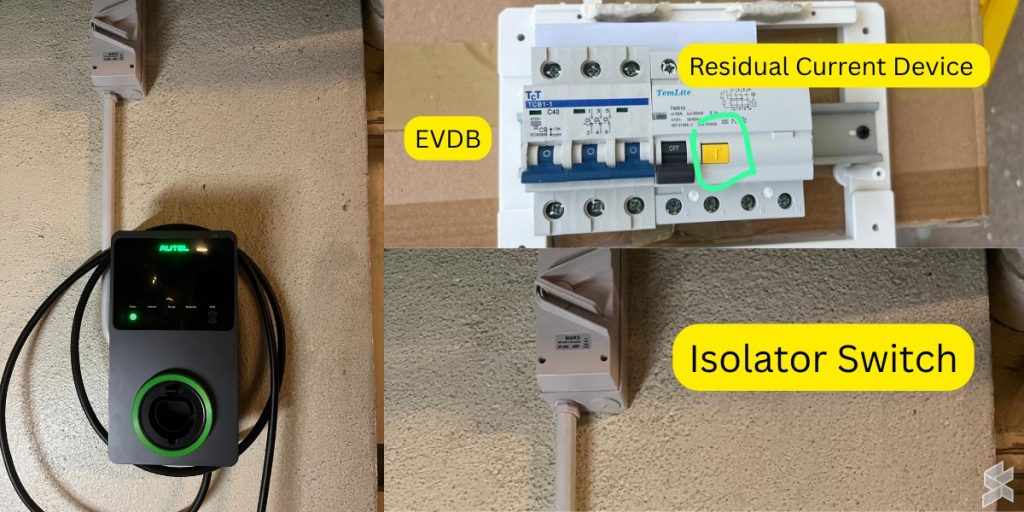
In addition, EV charging bays (EVCB) must comply with guidelines issued by the Fire and Rescue Department (Bomba) and the Ministry of Housing and Local Government (KPKT).
MYEVOC said preventable electrical hazards occur when property owners cut corners by purchasing uncertified chargers, tapping into overloaded household circuits or engaging unlicensed freelancers to carry out installations.
MYEVOC added, “More paperwork will not stop an illegal installation; active enforcement against non-compliant sellers and uncertified installers will.”
MYEVOC wants authorities to make fire investigation findings public
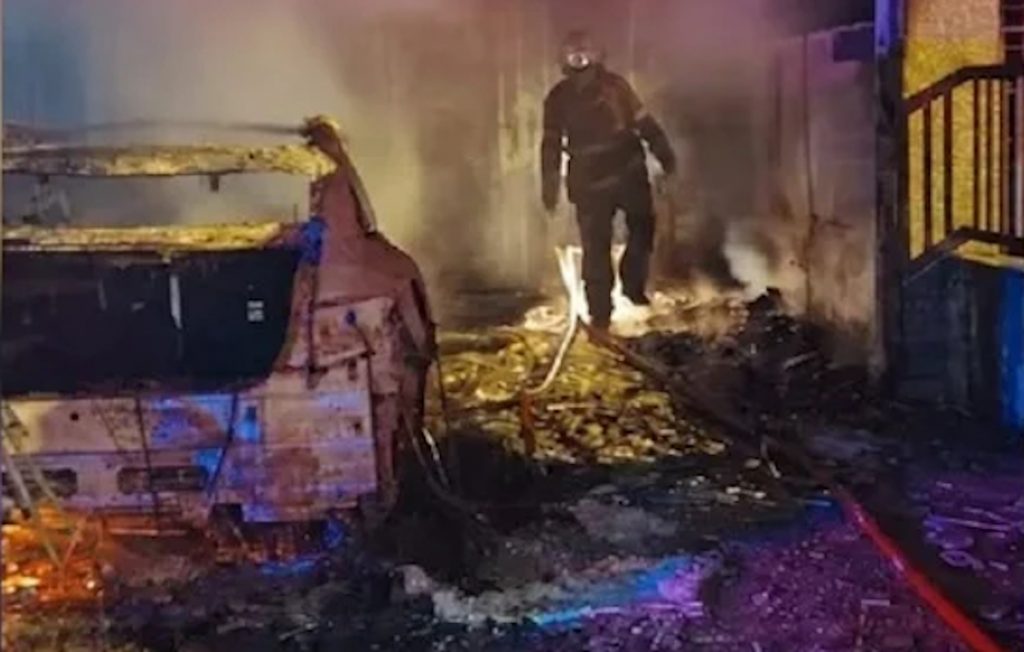
Another key issue raised by MYEVOC is the lack of transparency when it comes to fire investigations involving EVs and EV chargers.
The club cautioned against using preliminary media reports of fire incidents as evidence of EV charging safety issues before the authorities have completed their forensic investigations.
Without official findings, MYEVOC said fires caused by ageing electrical wiring, improper DIY modifications or external ignition sources could easily be blamed on EVs or charging equipment.
It is also important to distinguish between a fire involving an EV and a fire caused by an EV. Similarly, the presence of an EV charger at the scene of a fire does not necessarily mean that the charger was the cause of the fire.
To build confidence and to target real risk factors, MYEVOC is urging the relevant authorities to take three key measures:
- Intensify enforcement against the sale of unapproved charging hardware and unauthorised installation work.
- Empower Joint Management Bodies (JMBs), Management Corporations (MCs), and homeowners with clear verification checklists requiring Form Q, Form G, and Form H documentation prior to approval.
- Make fire investigation outcomes public once forensic clearances are complete, clearly distinguishing the point of origin from the root cause so policy responses are driven by engineering facts rather than speculation.
With more Malaysians making the switch to EVs, ensuring safe access to EV charging at home, particularly for those living in condominiums and apartments, is becoming increasingly important.
Greater transparency from the authorities would also help both policymakers and the public better understand the actual risks associated with EV charging.
MYEVOC: Malaysia needs better enforcement of EV charging safety rules, not more regulations
News Reports PH


0 Comments