
So you’ve probably heard the rumours — OnePlus might not have much time left. Before anyone panics, though, it’s worth clarifying that OnePlus has not (at least at the time of writing) made any official announcement about shutting down its global operations, including in Malaysia. What has been happening is a steady erosion of the brand’s original identity, and for long‑time fans, that can feel just as alarming.
So, as a small tribute to a brand that rose a decade ago as the original “flagship killer” pioneer before evolving into something far more mainstream (and Oppo-adjacent), here’s my list of the top five OnePlus smartphones of all time.
This isn’t a scientific ranking. It’s ordered based on what I think contributed most to OnePlus’ rise, reputation, and legacy.
#5: OnePlus 13
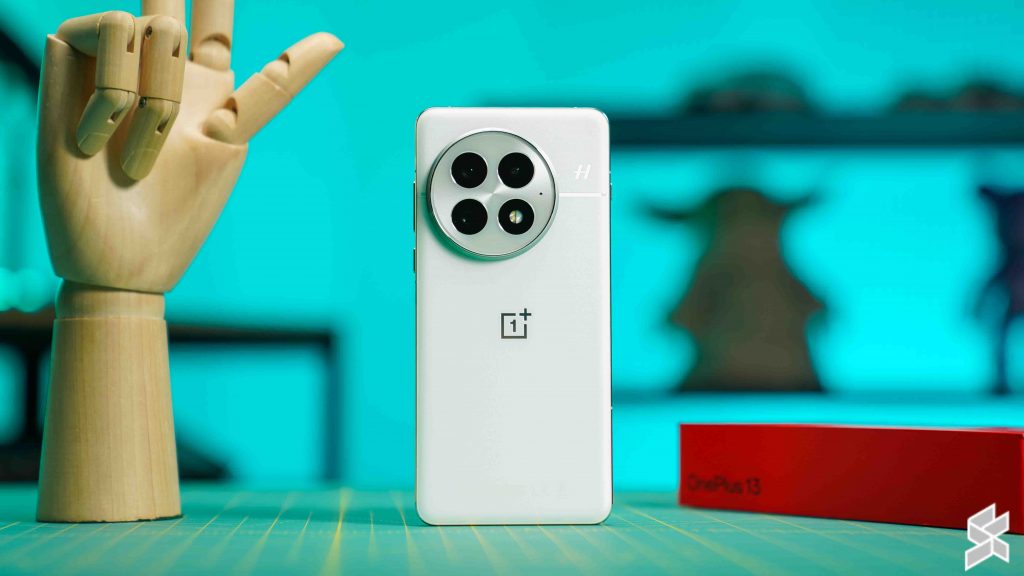
Yes — I’m starting this list with what many would call a “rebadged” Oppo phone.
The OnePlus 13 shares a lot of its DNA with Oppo’s contemporary flagship lineup, and while that might already have purists sharpening their pitchforks, it isn’t necessarily a bad thing.
The OnePlus 13 doesn’t feel like a classic OnePlus phone. It no longer runs the stock‑Android‑inspired OxygenOS that early fans fell in love with, and it doesn’t pretend to be a “flagship killer” either. Instead, it positions itself as a full‑blown flagship — and in many ways, it delivers.
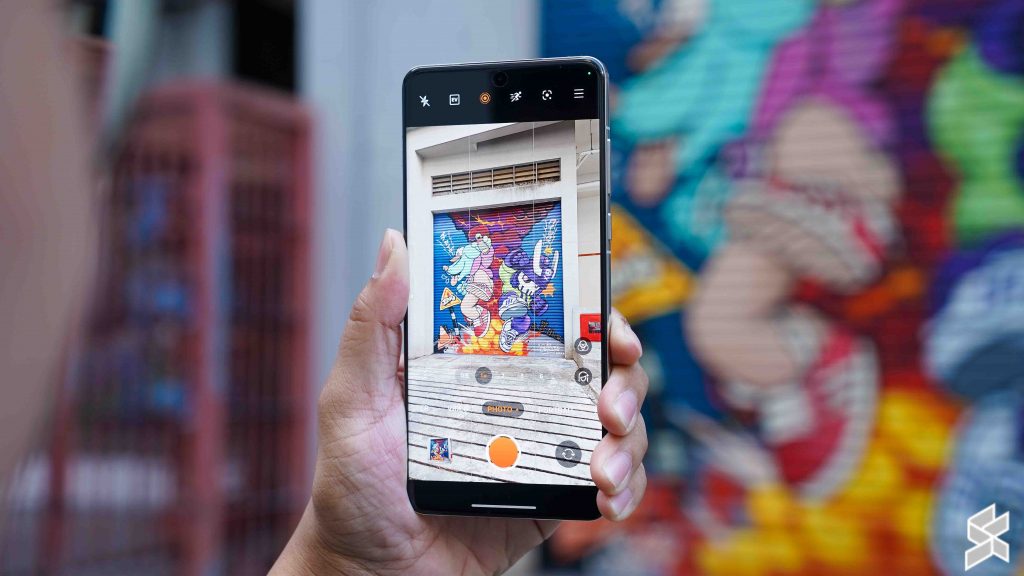
You get a premium glass-and-aluminium build, top-tier IP69 water and dust resistance, a high‑resolution 2K AMOLED display, a big 6,000mAh battery with fast 100W wired charging, and one of the most powerful smartphone chipsets of 2024 — the Snapdragon 8 Elite.
The highlight, however, is the Hasselblad‑tuned triple 50MP camera system, which produces consistently polished photos and portraits that often look like they’ve been put through professional post-processing.
While the OnePlus 13 may not excite long‑time fans emotionally, it’s hard to deny that it’s one of the more well‑rounded Android flagships of its year — and arguably deserved more attention than its rivals from Samsung, Google, and Apple.
#4: OnePlus 5T
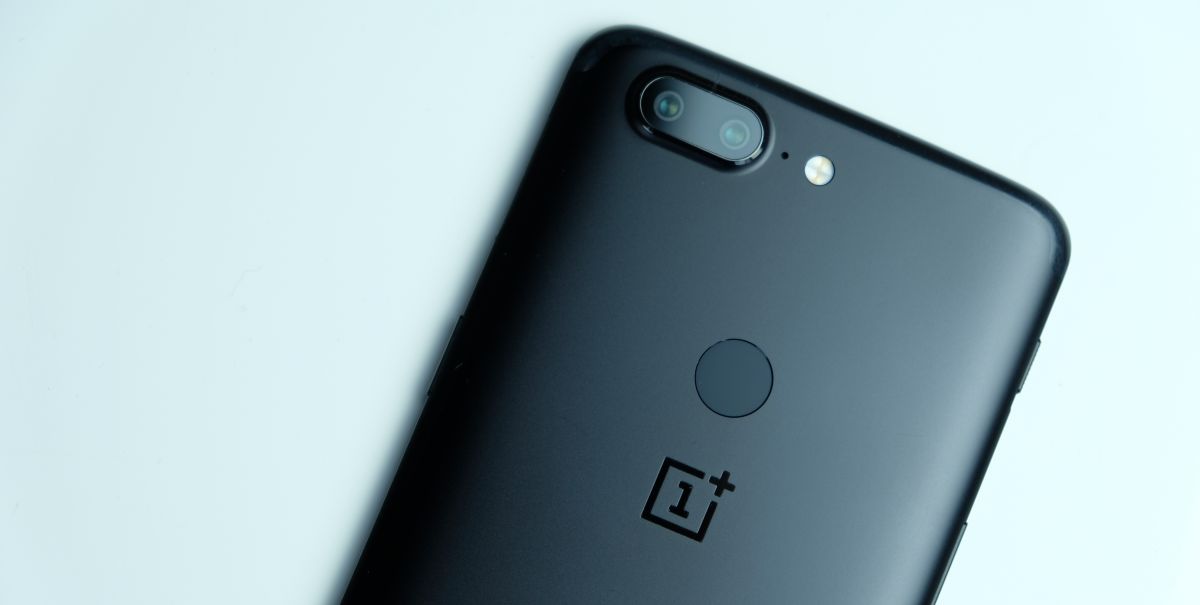
This is where we officially enter OnePlus’ true “flagship killer” era, the reason why OnePlus rose to fame in the first place.
The OnePlus 5T offered a premium aluminium design, Qualcomm’s then latest and greatest mobile chipset — the Snapdragon 835, and a large (by 2017 standards) 3,400mAh battery with fast 20W charging via USB-C.

It was also OnePlus’ first serious attempt at the thin‑bezel trend popularised by phones like the Galaxy S8, featuring a huge (again, by 2017 standards) 6‑inch Full HD AMOLED display. Yes, the OnePlus 5T’s 16MP + 20MP dual camera setup might not be class-leading even at launch, but the value proposition was undeniable.
In Malaysia, the OnePlus 5T launched at RM2,449. This was roughly RM800–900 cheaper than the Galaxy S8 and well over RM1,000 less than the iPhone 8, while often offering double the base storage.
Simply put, the OnePlus 5T is a textbook example of what the brand once stood for: flagship‑level performance at a decisively non‑flagship price.
#3: OnePlus 6T

2018 was another strong year for OnePlus, and the OnePlus 6T cemented that momentum. Launched less than six months after the OnePlus 6, the 6T refined the formula rather than reinventing it.
For its asking price, it delivered a large and vibrant AMOLED display, Snapdragon 845 performance, fast UFS 2.1 storage, and a 3,700mAh battery that was competitive even against more expensive flagships.

It also introduced an in‑display fingerprint sensor, a feature that was considered futuristic at the time. What truly elevated the OnePlus 6T, though, was the software. OxygenOS back then was close to stock Android, visually clean, free of bloatware, and exceptionally fast. For enthusiasts, this alone was reason enough to choose OnePlus over Samsung or Apple.
At launch, the OnePlus 6T undercut the Galaxy S9 by roughly RM700 and was about RM1,000 cheaper than the iPhone XR — Apple’s cheapest flagship of the year. Compared to the iPhone XS, the price gap was almost absurd.
Factor in the larger base storage (128GB as compared to 64GB, its more premium rivals offered), and the OnePlus 6T becomes one of the clearest representations of what many fans consider “peak OnePlus”.
#2: OnePlus 7T Pro

Some fans argue that the OnePlus 7T Pro, and the 7 Pro before it, marked the beginning of OnePlus drifting away from its original pricing philosophy. And while there was a noticeable price bump, OnePlus was still undercutting traditional premium flagships quite aggressively.
The 7T Pro featured a large 6.67‑inch AMOLED display with a proper Quad HD resolution and a 90Hz refresh rate — something that was still rare in 2019. Powering it was Qualcomm’s Snapdragon 855+, paired with faster charging and a larger battery than Samsung and Apple offered at the time.
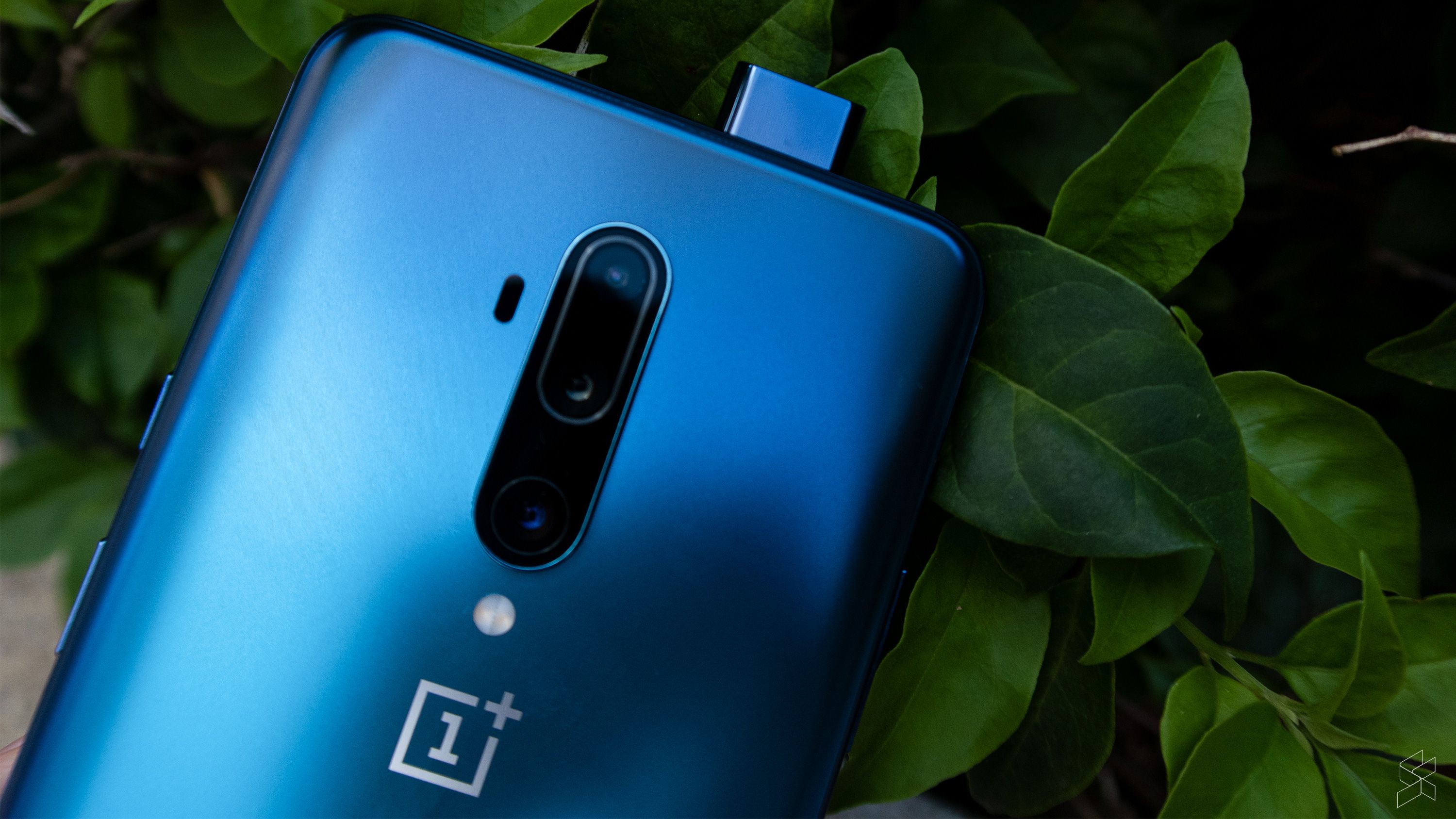
This generation also represented a significant leap in camera hardware. The triple‑camera setup: a 48MP main sensor, ultra‑wide lens, and 3x telephoto, finally closed much of the image quality gap between OnePlus and established camera flagships.
Priced at RM3,399 in Malaysia, the OnePlus 7T Pro wasn’t just a “flagship killer” anymore. It was a legitimate flagship that made buyers seriously question whether spending significantly more on more “premium” competing devices was justified.
In many ways, the OnePlus 7T Pro embodied the brand’s “Never Settle” slogan better than almost any other model.
#1: OnePlus One
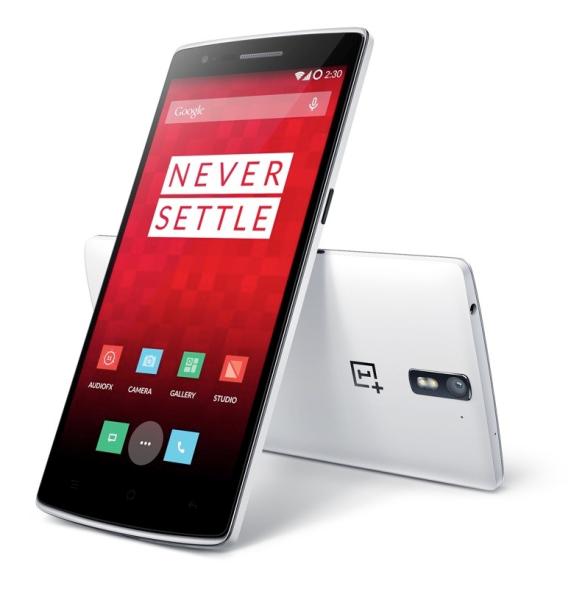
How can I wrap up the Top 5 OnePlus phones list without including the device that started the “Never Settle” campaign, right?
The OnePlus One wasn’t just a great phone; it was the grandaddy of the flagship killer, a statement made by OnePlus, proving that top‑end specifications didn’t have to come with top‑end prices. In doing so, the OnePlus One exposed just how comfortable the industry was becoming with massive profit margins.
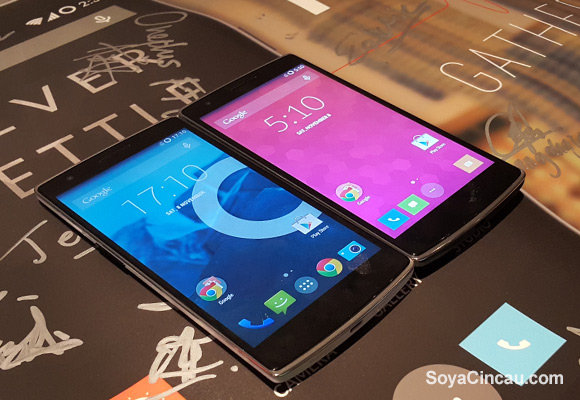
Powered by flagship hardware for its time and priced dramatically lower than competitors, the OnePlus One effectively became the blueprint for future “flagship killers”, inspiring brands like Poco and Redmi years later.
Running CyanogenMod, the OnePlus One delivered a clean, Nexus‑like Android experience with deep customisation options, making it especially appealing to tech enthusiasts and power users.
It wasn’t perfect, but it didn’t need to be. The OnePlus One changed expectations, and that alone secures its place as the most important phone the company ever made.
Reality check: Why the enthusiast dream didn’t last
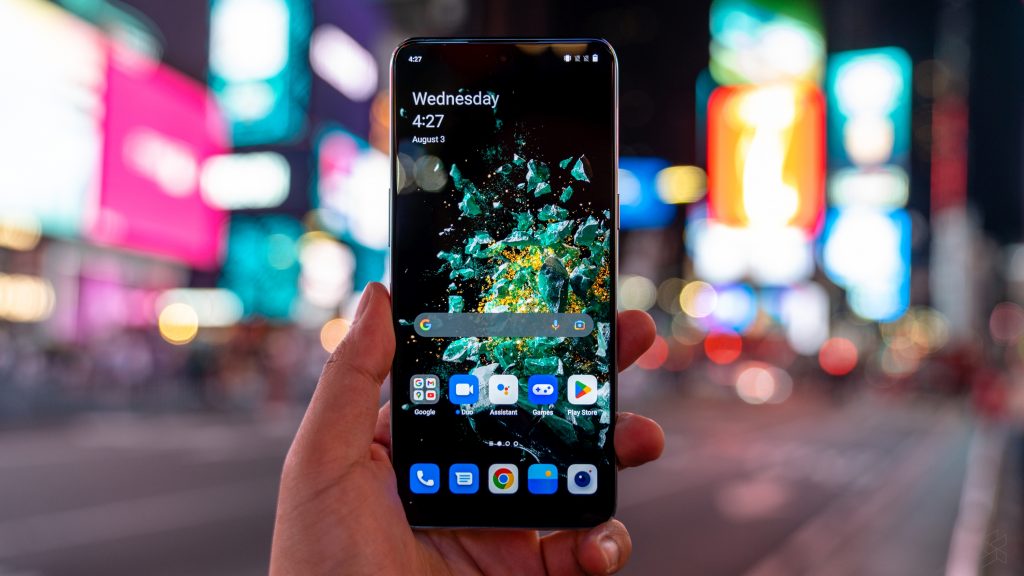
When OnePlus devices started sharing more design, hardware, and software DNA with Oppo phones, many long‑time fans, myself included, felt disappointed. The brand had seemingly moved away from building enthusiast‑friendly devices defined by clean software, aggressive pricing, and a rebellious attitude.
But the uncomfortable truth is that the enthusiast tech market is small and notoriously hard to satisfy.
Maintaining separate software platforms, industrial design, and R&D pipelines is expensive. For BBK (the conglomerate that owns OnePlus and Oppo), sharing resources across Oppo and OnePlus was simply a safer and more cost‑effective business decision.

We’ve seen this story before. Pebble, for example, built beloved smartwatches for enthusiasts but ultimately couldn’t sustain the business financially. The brand later resurfaced in spirit, but with a very different mission and structure — focused less on disruption and more on survival.
The same applies to OnePlus today. The goal is no longer to challenge the industry for fun. Rather, it’s to remain profitable, scalable, and relevant in an increasingly saturated market.
Is the flagship killer truly dead?
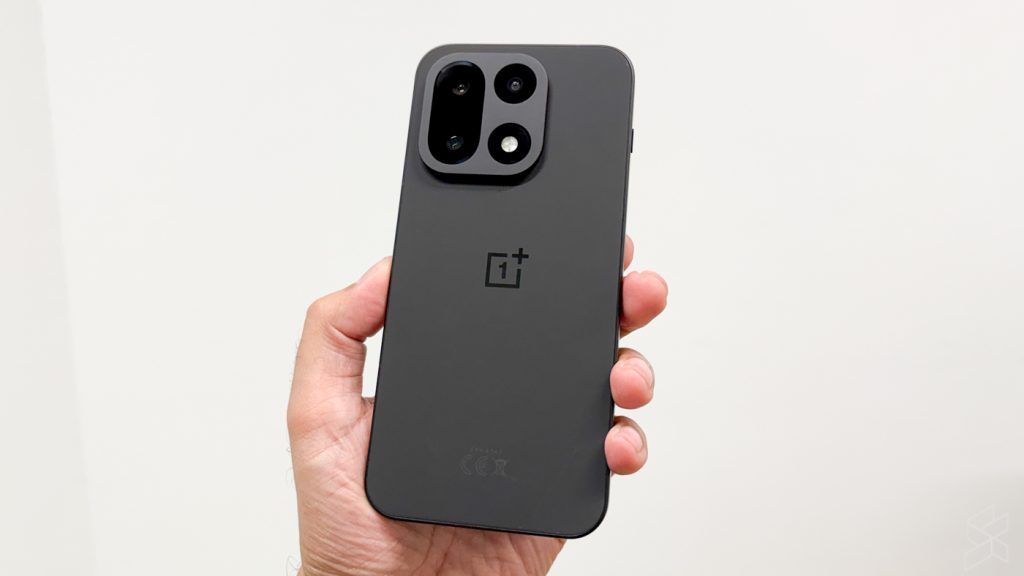
We may never see another phone that delivers the kind of shock‑value pricing the OnePlus One did. But that doesn’t mean value‑focused flagships are gone entirely.
Phones like Xiaomi’s T‑series or Poco’s F‑series carry forward much of that original OnePlus philosophy: flagship‑level performance, strong cameras, and prices that significantly undercut traditional premium devices.
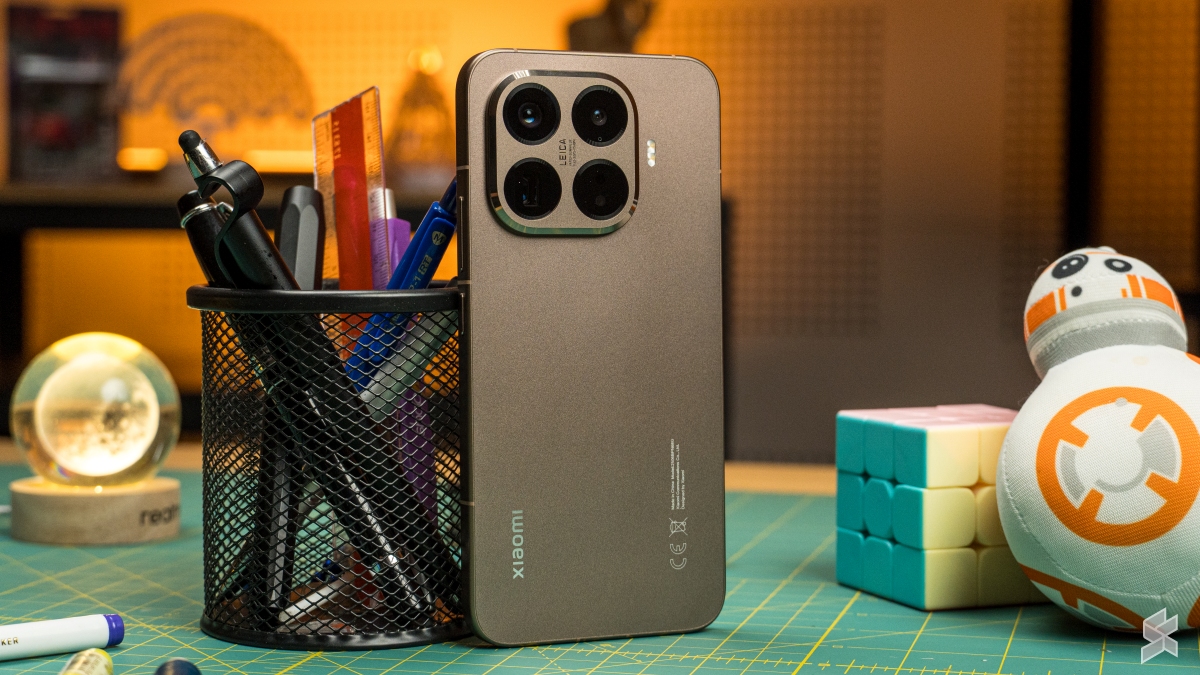
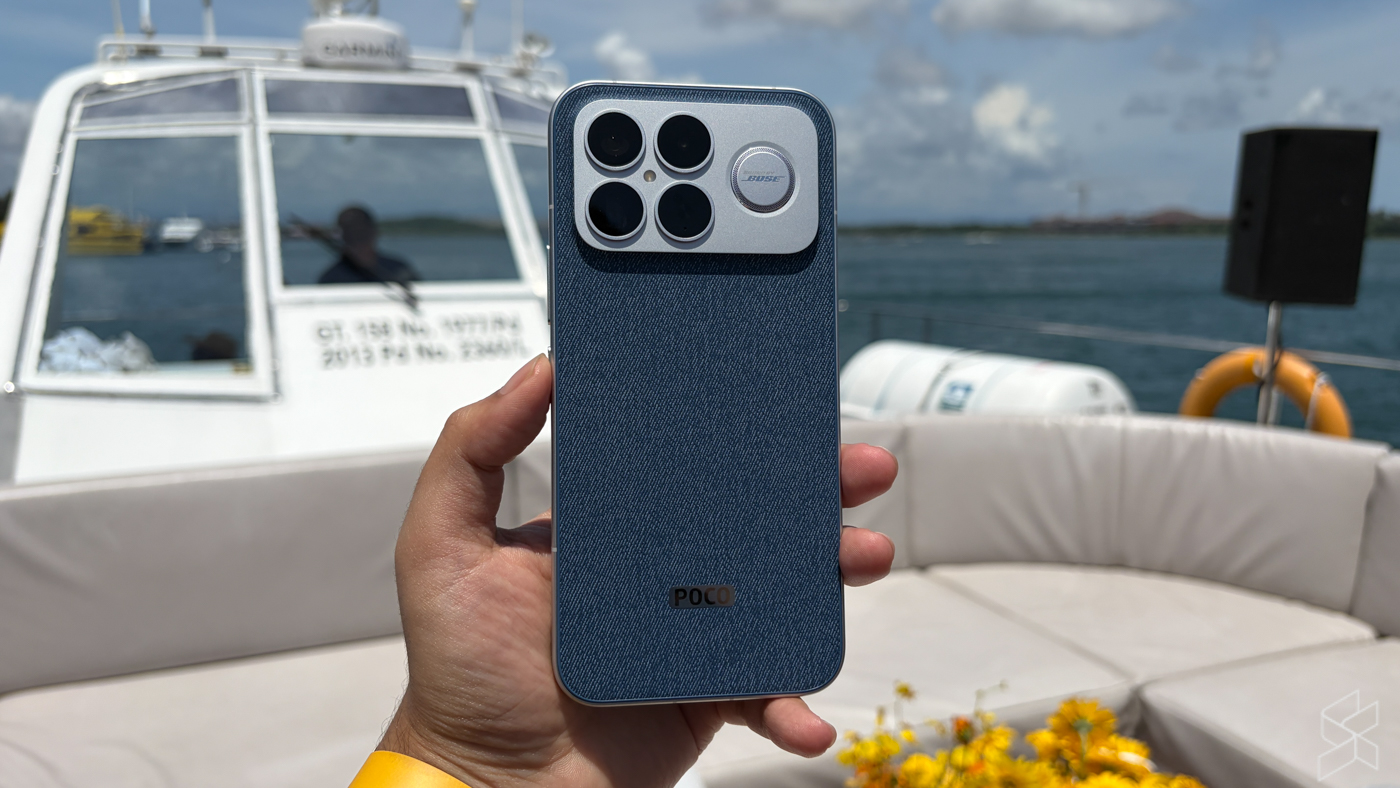
They may lack the clean, stock‑like Android experience that OxygenOS once offered, but they’re arguably the closest spiritual successors to legacy OnePlus phones today.
If a clean Android experience is your top priority, Google’s Pixel lineup remains the most obvious choice. Alternatively, Nothing, founded by OnePlus co-founder Carl Pei, carries forward much of the original OnePlus ethos, paired with a more playful design language.
Ultimately, what are your favourite OnePlus products? Do you agree with my list, or would you rank them differently?
Top 5 OnePlus smartphones: Looking back at a once-beloved enthusiast brand
News Reports PH


0 Comments