
As Malaysia continues to expand its EV charging infrastructure, Finland-based charging solutions provider Kempower says that the focus should shift from simply deploying more chargers to ensuring they are actually used efficiently.
The company says that while EV adoption is gaining momentum across Southeast Asia, long-term success for charge point operators (CPOs) depends heavily on utilisation rates rather than just the number of chargers deployed.
Kempower Director of New Markets, Carlo Cecchi said, “Malaysia is a key market in Southeast Asia’s electrification journey. We see strong momentum driven by supportive policies, growing industry collaboration, and increasing consumer interest.”
He added, “As the market evolves, the conversation is no longer just about deploying chargers quickly, but about ensuring they are well utilised, reliable, and designed to scale sustainably.”
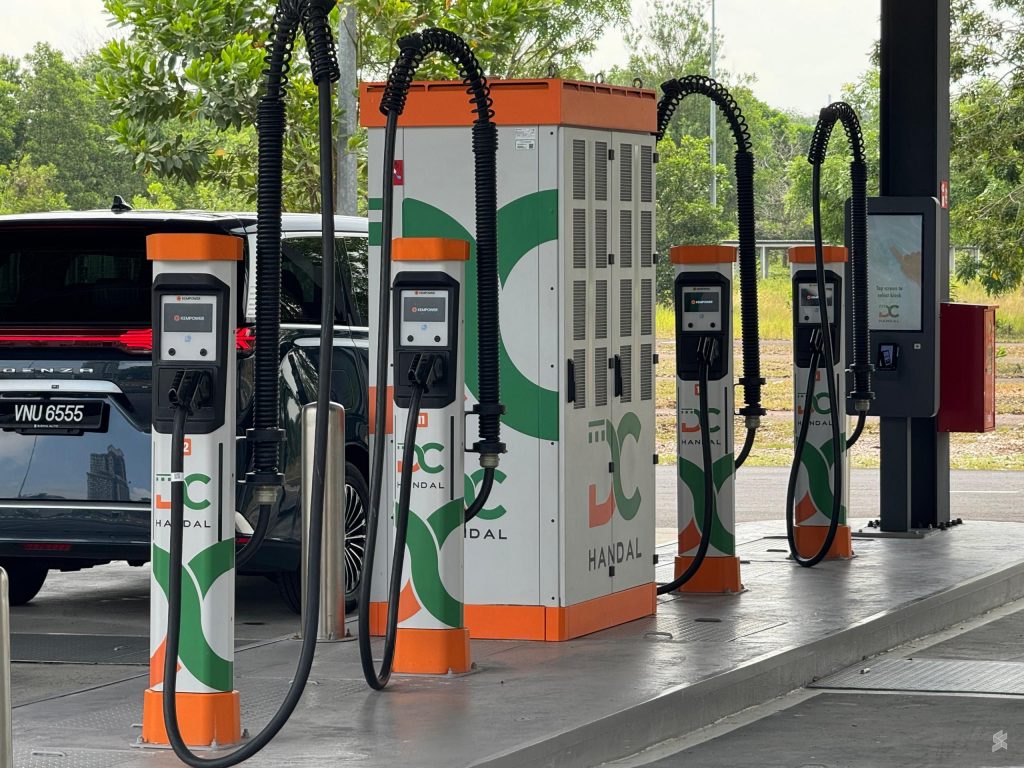
Kempower highlighted that underperforming EV charging sites are often not due to lack of demand, but issues such as poor location planning, oversized infrastructure and inconsistent user experience. According to them, sites with more charging points tend to perform better, as EV drivers prioritise availability and minimal waiting time.
Drawing from more mature EV markets like Norway, Kempower said driver behaviour is influenced more by convenience than peak charging speed. Instead of seeking the fastest possible charge, many users prefer locations where they can spend time productively, such as shopping or taking a break.
To optimise performance and profitability, Kempower is advocating a modular and data-driven deployment strategy. This approach allows operators to start with optimised configurations and scale gradually based on actual demand, reducing upfront capital expenditure while improving return on investment.
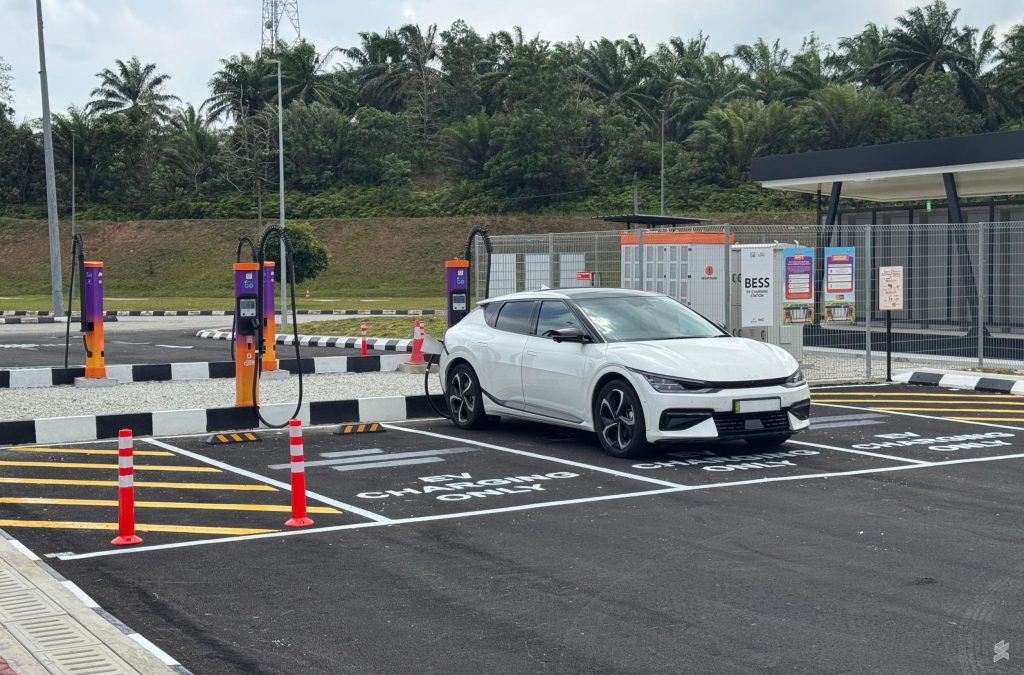
Their charging solutions are designed to support this flexibility, enabling operators to increase both power output and the number of charging points over time, while maintaining uptime and user experience.
Cecchi shared, “Data across global markets consistently shows that increasing the number of charging points has a stronger impact on utilisation than simply increasing power output. Ultimately, drivers value accessibility, reliability, and ease of use. Being able to charge without waiting is often more important than charging at the highest possible speed.”
Kempower says the industry is now moving towards more disciplined, performance-driven growth, with operators focusing on site quality, optimal configurations and clear ROI rather than rapid expansion.
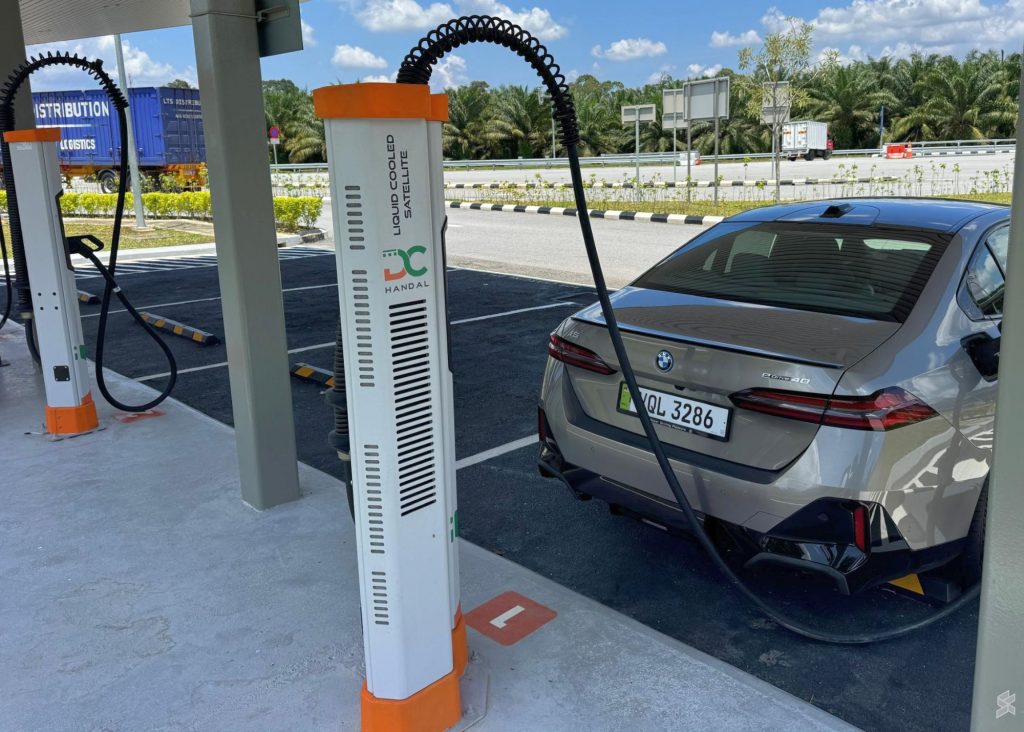
In Malaysia, the company is working with local partners to support charging network development, focusing on improving reliability and enabling long-term infrastructure planning.
There are currently 260 Kempower charging points in the country deployed by various CPOs including ChargEV, DC Handal and Gentari. The largest Kempower equipped site in Malaysia is DC Handal’s Medini EV Forecourt which has a total of 28 DC charge points and a total of 1.2MW capacity.
Kempower added that stronger collaboration between public and private sectors will be needed to build a more resilient EV charging ecosystem that aligns with real-world driver behaviour.
Kempower: Malaysia’s EV charging growth needs to focus on utilisation, not just speed
News Reports PH


0 Comments